
How Long Does An Infant Car Seat Last

Ah, the infant car seat! It’s one of those quintessential baby items, isn't it? The first big purchase, often chosen with meticulous care, maybe even a little teary-eyed idealism. You picture years of happy adventures, tiny feet kicking, and the sweet lull of the road helping your little one drift off to sleep.
It’s the chariot for your precious cargo, the ultimate safety cocoon for those first momentous journeys. From the hospital exit, all swaddled and new, to countless grocery runs and visits to grandma’s, this seat becomes a silent witness to so many firsts.
But here’s a little secret, a surprisingly short lifespan for such a vital piece of gear. Unlike a sturdy crib or a beloved teddy bear that can last through generations, your infant car seat has a much shorter, more defined career path.
Must Read
The Unsung Hero's Brief Stint
You probably spent hours researching, comparing fabrics, safety features, and installation ease. You might have even done a dry run, buckling a stuffed animal in for practice. This car seat feels like an investment for the long haul, right?
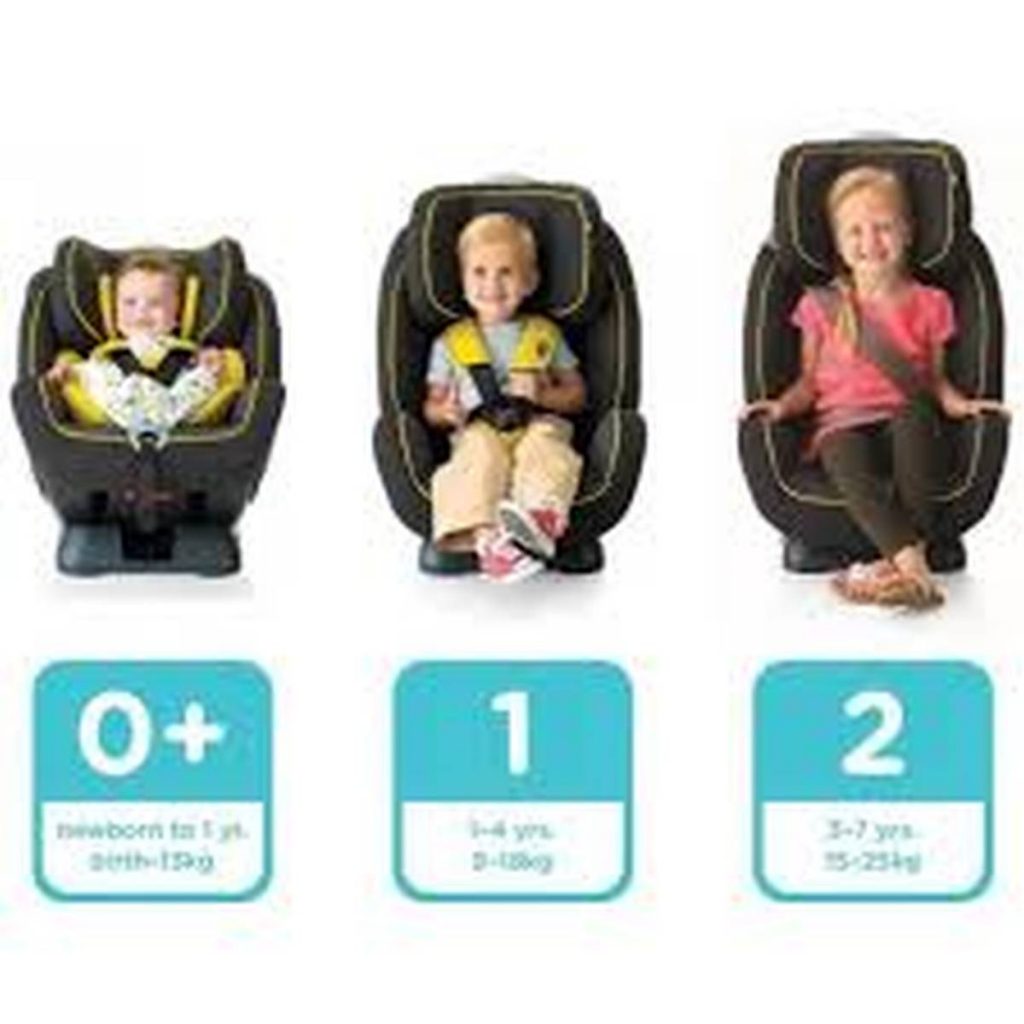
Well, prepare for a gentle chuckle (or perhaps a slight gasp). Most infant car seats, the ones specifically designed for newborns and small babies, only really serve for about six to twelve months. That's it! Their primary job is done once your little one outgrows the height or weight limits, usually around the first birthday mark.
Then comes the next surprise: the actual car seat itself, regardless of how much it's used, also has an expiration date. It's often hidden away, a tiny stamp on the plastic, patiently waiting to be discovered. This date, usually six or seven years from the date of manufacture, often catches new parents completely off guard.
Imagine planning for your little one's grand entrance, ticking off all the essential items. You get that perfect, plush infant car seat, gleaming and new, picturing years of happy rides. Then, surprise! This hero of road trips has a secret timeline, a quiet expiration date tucked away.
The Mystery of the Manufacturing Date
Finding this magical expiration date can sometimes feel like a treasure hunt. It's not always front and center on the packaging, shouting its importance. Instead, you might find it embossed on the plastic shell, usually on the bottom or back, next to the manufacturing date.

This date is crucial. It’s not about when you bought it, but when it rolled off the assembly line. A car seat sitting in a store for a year still has the same expiration date as one just manufactured.
So, that pristine, never-used car seat gifted to you by a well-meaning relative who bought it years ago? It might already be past its prime, or perilously close. Always check that manufacturing date!
Why So Short, Sweet Chariot?
It seems almost comical, doesn't it? A big purchase for such a fleeting moment. But there are very good, albeit non-humorous, reasons behind this relatively short lifespan. It's all about ensuring the utmost safety for our tiniest passengers.
Think about the materials involved. The plastics and components in a car seat are constantly exposed to temperature changes, sunlight, and the general wear and tear of daily life. Over time, these materials can degrade and weaken, potentially compromising the seat's ability to protect in a crash.
Beyond material degradation, safety standards are always evolving. What was considered cutting-edge five years ago might have been surpassed by newer, safer designs. Manufacturers want to ensure that only the most current safety technology is protecting our children.
It's not just about the visible wear and tear, either. The internal components, the belts, buckles, and energy-absorbing foam, are all designed with a specific lifespan in mind. They perform a mighty task, absorbing incredible forces, but they can't do it forever.
Your car seat isn't just a seat; it's a guardian. And guardians need to be in peak condition.
The Hand-Me-Down Dilemma (and Heartbreak)
Many of us grew up with hand-me-down everything, from clothes to toys to furniture. There’s a certain charm and practicality to it, an echo of past childhoods. You might envision your beloved car seat being passed down to a younger sibling, a cousin, or a friend.
However, with car seats, the hand-me-down dream often hits a snag. Because of those pesky expiration dates and evolving safety standards, using a second-hand car seat is a big no-no unless you know its full history and can verify its dates.
It can be a bit heartbreaking to realize that this expensive, beloved item won't serve another little bum. It feels wasteful, almost. But when it comes to child safety, there's absolutely no room for compromise.

Imagine the conversation: "Oh, this car seat? It cradled little Timmy, then Susie, then Billy, and now it's ready for your new arrival!" It sounds lovely, but unfortunately, safety trumps sentiment in this case.
A Farewell to Arms (and Straps)
So, what happens when your infant car seat has served its noble, albeit brief, purpose? When your baby graduates to a convertible seat, or the seat itself reaches its expiration date?
It's not quite a viking funeral, but it can feel a little anticlimactic. You can't just toss it out on the curb like regular trash. Most cities have specific guidelines for recycling or disposing of car seats, often requiring you to cut the straps and mark it clearly to prevent accidental reuse.
It's a strange kind of goodbye to an item that held so much importance. This little plastic shell, now empty, once held the most precious thing in your life. It carried them home, kept them safe, and witnessed countless sleepy smiles.
You might even find yourself giving it a little pat on the head, a silent thank you for its dedicated service. It's a testament to the emotional weight these items carry, far beyond their material worth.
Embracing the Fleeting Joy
Understanding the short lifespan of an infant car seat doesn't have to be a bummer. Instead, it can give you a renewed appreciation for its specific, vital role. It reminds us to savor those fleeting first months.
Each time you buckle your tiny human in, remember the incredible engineering and care that went into creating that safe space. Appreciate the moments it provides: the quiet drives, the safe passage, the feeling of security it gives you as a parent.
The infant car seat is a beautiful example of something designed for intense, short-term purpose. It's a sprint, not a marathon, but what an important sprint it is! It does its job perfectly, then gracefully retires.
So, when you're admiring your new car seat, or even saying goodbye to an old one, remember its amazing, if brief, journey. It’s a silent partner in parenthood, an unsung hero of countless safe arrivals. And for that, it deserves a round of applause, even if its tenure is surprisingly short.
It teaches us a gentle lesson about the transient nature of babyhood itself. Enjoy every precious moment, because just like that infant car seat, these early days fly by faster than you can imagine. Make memories, take pictures, and revel in the amazing journey your little one is on.