
How Long Does A Septic System Usually Last
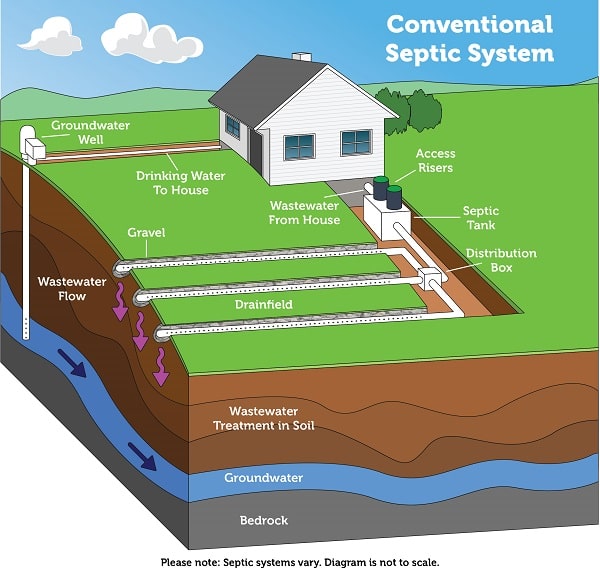
Every home has its secrets, right? Some are charming, like a hidden pantry. Others are the unsung heroes, working hard behind the scenes to keep things running smoothly. Today, we’re peeking behind the curtain at one of those incredible workhorses: your septic system.
If you live in a home without city sewers, you know this system is essential. It’s a bit like your home’s private waste management team. But here’s the big question that often pops up over coffee with neighbors: How long does a septic system actually last?
The Grand Lifespan Mystery (It Depends!)
Unlike a loaf of bread with a clear expiration date, a septic system's lifespan isn’t quite so straightforward. Think of it more like a really good, well-maintained car. With proper care, it can go for ages! Without it? Well, you might be calling for roadside assistance sooner than you’d like.
Must Read
Generally speaking, a well-maintained septic system can happily chug along for 20 to 40 years. Some even push past the 50-year mark! That’s an amazing run for something you rarely see. But there are several key players that influence this big number.
The VIPs That Decide Its Staying Power
Let's meet the factors that help your septic system defy the sands of time:

1. The Initial Setup: A Strong Start
It all begins with how it was installed. A top-notch installation, done by experienced pros, sets the stage for a long life. They make sure the soil is right, the pipes are sloped correctly, and everything is perfectly sealed. Think of it as a solid foundation for a skyscraper – absolutely crucial.
2. Your Routine Care: The Ultimate Game Changer
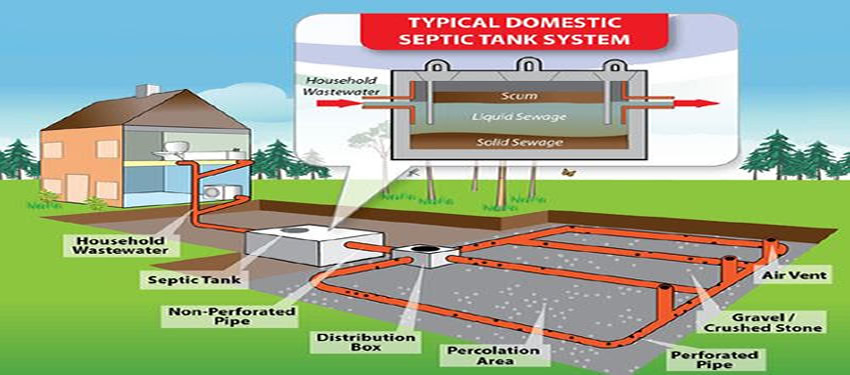
This is probably the biggest factor. Imagine having a car and never changing the oil! Your septic system needs love, too. Regular check-ups and pumping are its vital health appointments. Most experts suggest having your tank pumped every 3 to 5 years, depending on your household size and usage. This prevents solids from building up and causing big headaches down the line.
"Regular pumping isn't just a recommendation; it's a lifeline for your septic system's longevity."
3. What Goes Down: The Drain Field's Diet
Your drain field (where the treated water soaks into the ground) is the delicate part. It really dislikes harsh chemicals, excessive grease, and non-biodegradable items. Think of it as a sensitive stomach. Pouring paint, solvents, or flushing "flushable" wipes (they're often not!) can clog it up and lead to an early retirement for your system.
4. Water, Water Everywhere: Managing the Flow
Too much water can overwhelm your system. If you’re doing five loads of laundry back-to-back, it's like asking your system to run a marathon without training. Spacing out water usage, fixing leaky faucets, and using water-efficient appliances can significantly reduce the stress on your septic system, helping it last much longer.
5. Mother Nature’s Role: Soil and Environment
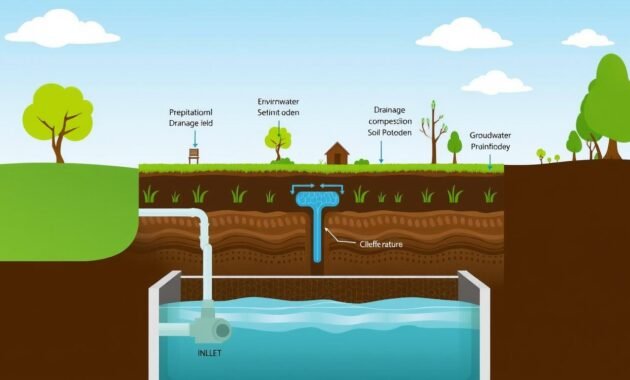
The type of soil around your drain field makes a difference. Some soils are better at absorbing water than others. Also, tree roots love to seek out water sources, and sometimes, that means invading your septic pipes. Being mindful of what you plant near your system can prevent costly root intrusions.
The Parts of the Puzzle: Tank vs. Drain Field
It’s worth noting that different parts of your system have different lifespans. The septic tank itself, often made of concrete, is incredibly durable. With good care, it can easily last 50 years or even longer, sometimes outliving the house it serves!
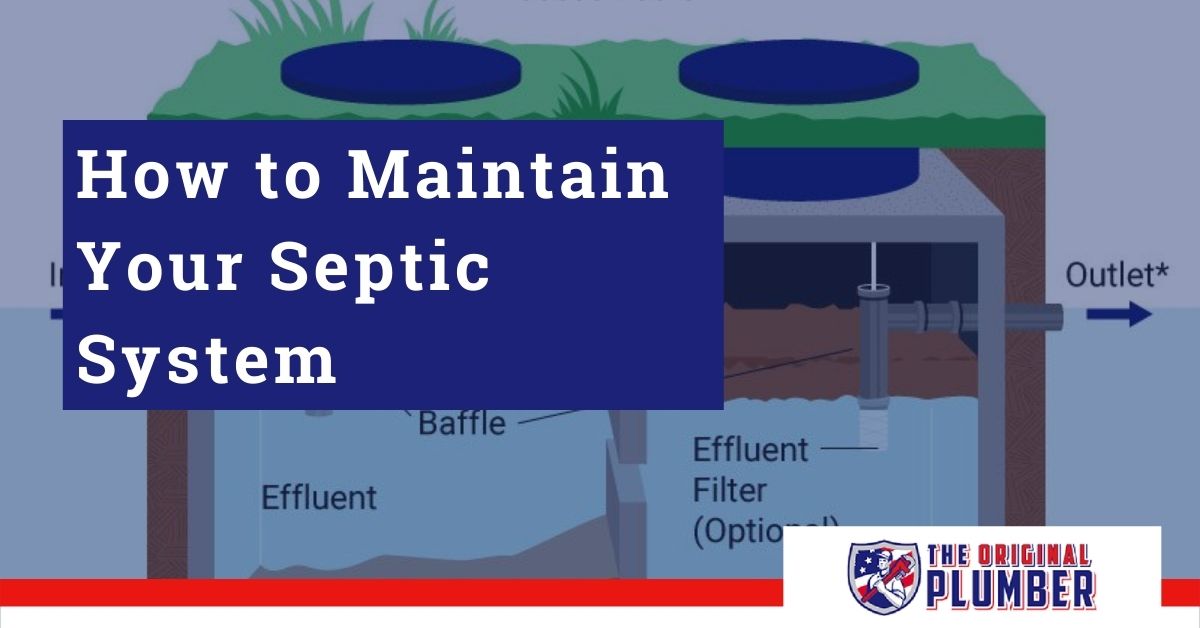
The real sensitive spot is the drain field. This is where the magic of purification happens, and it’s also the part most prone to failure due to neglect. Its typical lifespan ranges from 15 to 40 years. When a system fails, it’s usually the drain field that needs replacing.
Being a Septic Super-Steward!
So, why should you care so much about these details? Because understanding how long your septic system can last, and what helps it get there, gives you incredible power. It means:
- Peace of Mind: No unexpected, expensive surprises.
- Saving Money: Preventative care is always cheaper than emergency repairs or full replacements.
- Protecting Your Property: A failing system can cause quite a mess and devalue your home.
- Environmental Responsibility: A well-functioning system protects local groundwater.
Taking care of your septic system is a bit like having a secret superpower for your home. It’s about being a smart, proactive homeowner who understands the quiet heroes working tirelessly beneath your feet. A little attention goes a very, very long way!