
How Long Does A Rechargeable Battery Last

Ever wondered about those unsung heroes powering your world? We're talking about rechargeable batteries! They're the tiny little workhorses that keep your phone buzzing, your remote clicking, and your electric toothbrush humming. But how long do these magical power sources actually stick around before they're ready for retirement?
Let's dive into the fascinating, fun, and slightly mysterious world of rechargeable battery longevity! Spoiler alert: it's not a simple "X number of years," but it's way more interesting than that. Think of it like asking how long a comedian lasts – it depends on the laughs, the gigs, and if they avoid hecklers!
The "Cycle" - Your Battery's Life Chapters
The absolute biggest, most important concept to grasp is the idea of a charge cycle. Imagine your battery living its life in chapters. Each time it goes from full to empty (or mostly empty) and then back to full again, that's one chapter – one glorious cycle completed!
Must Read
It doesn't have to be one continuous epic journey from 100% down to 0% in a single go. If you drain your phone to 50% today and charge it back up, then drain it to 50% tomorrow and charge it again, that pretty much adds up to one full cycle. It’s a cumulative adventure!
"Every charge cycle is like a little adventure for your battery. The more adventures, the more wear and tear!"
NiMH & NiCd Batteries: The Veteran Workhorses
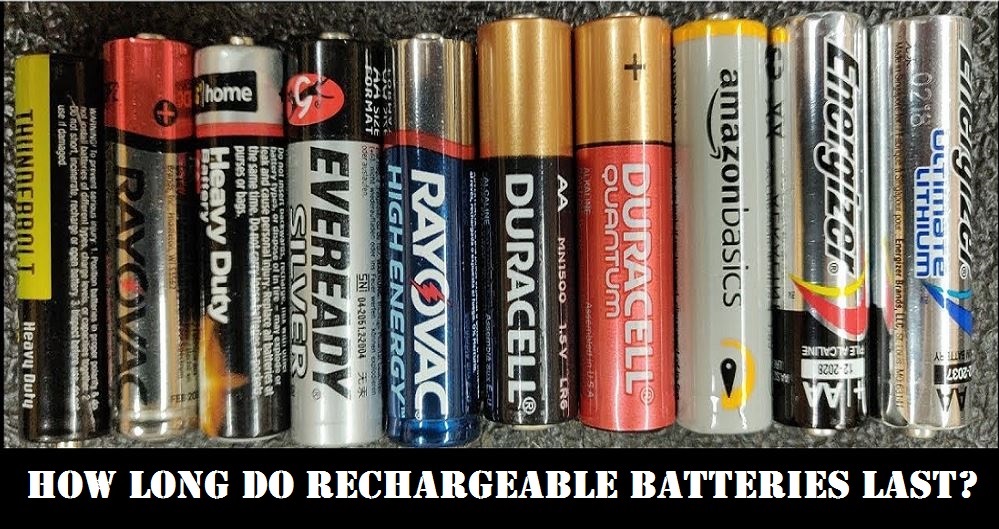
Let's talk about the batteries you probably have in your TV remote, your kid's favorite toy, or that trusty flashlight. These are often Nickel-Metal Hydride (NiMH) or older Nickel-Cadmium (NiCd) batteries. They are absolute troopers!
These guys can often handle anywhere from 500 to 1,000 charge cycles. That's a huge number of power-ups! For a remote control that only gets used a few times a day, that could mean years and years of faithful service.
Imagine a single set of AA batteries powering your doorbell for a decade. That's the kind of longevity these old-school champions can offer, making them incredibly economical and eco-friendly in the long run. They just keep going, like the energizer bunny's slightly more laid-back cousin.
Li-ion Batteries: The Modern Superstars
Now, for the batteries in your smartphone, laptop, tablet, and electric car – these are almost certainly Lithium-ion (Li-ion) batteries. They're lighter, more powerful, and charge faster, making them the darlings of our modern tech world.
Li-ion batteries typically have a lifespan of around 300 to 500 full charge cycles before their capacity significantly diminishes. While that sounds less than NiMH, remember they're doing much heavier lifting, powering super complex devices.
Think about your phone: if you fully charge and discharge it every single day, you might hit 500 cycles in about a year and a half. That doesn't mean it dies then, but it will start to feel a bit tired, like it needs a nap much sooner than it used to. It's still working, just not with the same youthful vigor!
"Your smartphone battery is a high-performance athlete. It works hard, and like any athlete, it eventually gets tired."
What Makes Them Tick (or Not Tick)?
So, besides those magical cycles, what else plays a role in your battery's grand performance and eventual farewell? A few key factors are at play, turning your battery into either a long-distance runner or a quick sprinter.
1. The Temperature Tango
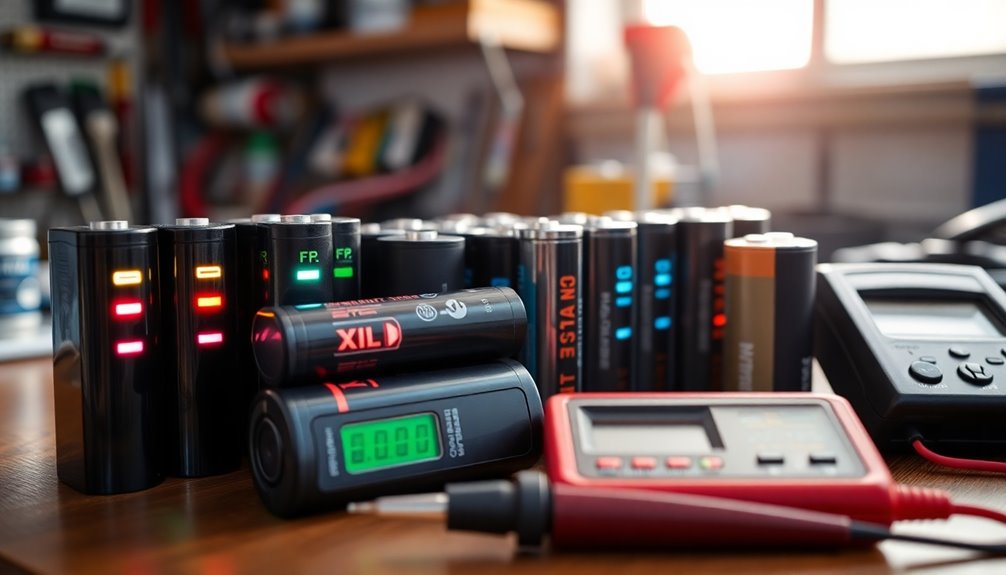
Batteries are like Goldilocks – they like things just right! They absolutely loathe extreme temperatures. Leaving your phone baking in the sun on your car dashboard or freezing in your backpack during a winter hike is a surefire way to shorten its lifespan.
High heat especially is a battery killer, accelerating the internal chemical reactions that lead to degradation. So, treat your battery like a delicate flower and keep it in a comfortable environment!
2. Charging Habits: The Battery's Spa Day
How you charge really matters, especially for Li-ion batteries. Constantly letting your phone drop to 0% before dramatically reviving it to 100% isn't always the best strategy for its long-term health.
For Li-ion, keeping them between 20% and 80% charged is often considered the sweet spot for maximizing lifespan. It's like giving them a gentle spa day instead of a strenuous workout every time.
Overcharging isn't usually a major issue with modern devices, as they have smart circuitry that stops the flow of current once full. However, prolonged periods at 100% charge, especially if they're also getting hot, can still add a little stress.
3. Quality Matters: The Name Brand vs. The Mystery Pack
Just like anything else, not all batteries are created equal. A high-quality battery from a reputable brand usually uses better materials and manufacturing processes. This means they're built to last longer and perform more reliably.
That super cheap, no-name battery might save you a few bucks upfront, but it could also wave goodbye much sooner, leaving you battery-less when you need power most. Sometimes, it truly pays to invest in quality.
Signs Your Battery is Ready for Retirement
Even with the best care, all good things must come to an end. How do you know when your trusty rechargeable is waving its little white flag? There are a few tell-tale signs.

If your phone suddenly starts dying at 30% charge, or your remote batteries seem to need recharging every other day when they used to last months, that's a big clue. They're just not holding juice like they used to!
Another sign can be physical. If a battery starts to swell or feel hot to the touch even when not charging, it's definitely time to say goodbye and safely dispose of it. A puffy battery is an unhappy, and potentially unsafe, battery!
How to Be a Battery Best Friend (and Extend Their Life!)
Want to squeeze every last drop of life out of your rechargeable pals? Here are some super simple, friendly tips:
-
Keep 'em Cool: Avoid extreme heat and cold. Don't leave devices in hot cars or direct sunlight. Think of a pleasant, room-temperature environment as their ideal vacation spot.
-
Charge Smartly: For Li-ion devices, try to keep them between 20% and 80% charged when possible. Frequent, shallow charges are generally better than full drain-to-fill cycles.

How Long Do Rechargeable Batteries Last? Battery Life Expectancy of a -
Use the Right Charger: Always use the charger that came with your device or a high-quality replacement. Mismatched chargers can be inefficient or even damaging.
-
Store Wisely: If you're putting a device away for a long time, ideally store its Li-ion battery at about 50-70% charge, not fully charged or completely empty.
-
Give Them a Break: If your device is running hot while performing an intense task (like gaming), let it cool down before charging.
The Grand Finale: Long Live the Rechargeables!
So, how long does a rechargeable battery last? It's a wonderful, complex dance of chemistry, cycles, and care. But generally, you can expect your modern Li-ion batteries to give you a solid 2-3 years of peak performance, often more, before they start to show their age.
Your trusty NiMH batteries in less demanding gadgets? Those might just outlive your furniture, providing years and years of dependable power! It's pretty amazing, isn't it?
Rechargeable batteries are true marvels of engineering, saving us money, reducing waste, and keeping our gadgets alive. So, give a little nod to your power packs today – they're working hard to make your life wonderfully charged! And remember, when they finally do give up the ghost, please recycle them responsibly!