How Long Does A Newborn Car Seat Last

Ah, the blissful chaos of preparing for a new arrival! Among the flurry of adorable onesies, tiny socks, and the never-ending debate over stroller models, there's one essential item that consistently tops every parent-to-be's checklist: the newborn car seat. It’s not just a piece of baby gear; it’s the golden chariot that brings your precious cargo home from the hospital, a symbol of safety and the beginning of countless family adventures. The sheer joy and relief of knowing your little one is snugly secure for that very first ride – and every ride thereafter – is truly unparalleled.
The primary purpose of a newborn car seat is brilliantly simple: to keep your baby safe while traveling. These specialized seats, designed for infants from birth, provide crucial protection in the event of a sudden stop or collision. They cradle your tiny human, distributing crash forces and minimizing movement, offering peace of mind that allows you to focus on the road (and perhaps that sudden craving for a nap). Beyond safety, infant car seats offer incredible convenience. Many models are designed to detach from their base and click into a stroller frame or be carried directly into the house, allowing your sleeping baby to remain undisturbed. It's an everyday luxury that busy parents quickly learn to appreciate!
When we talk about newborn car seats, we're usually referring to the infant-only rear-facing car seats. These are distinct from convertible seats (which transition from rear-facing to forward-facing) or all-in-one seats. They are specifically engineered for the smallest travelers, providing the ideal fit and protection for newborns. You’ll use it for pediatrician visits, grocery runs, and those exciting first trips to visit grandparents. The question often arises, however: "How long does a newborn car seat actually last?" This isn't just about how long your baby fits in it, but also the seat's own inherent lifespan.
Must Read
Here are some practical tips to ensure you're using your car seat effectively and safely. Firstly, and perhaps most critically: car seats expire! Just like milk or medicine, car seats have an expiration date, typically found on a sticker on the side, bottom, or embossed into the plastic. This date is usually 6-7 years from the date of manufacture, and it’s there for a reason. Over time, plastic can degrade, parts can wear down, and safety standards evolve. Never use an expired car seat, even if it looks perfectly fine.
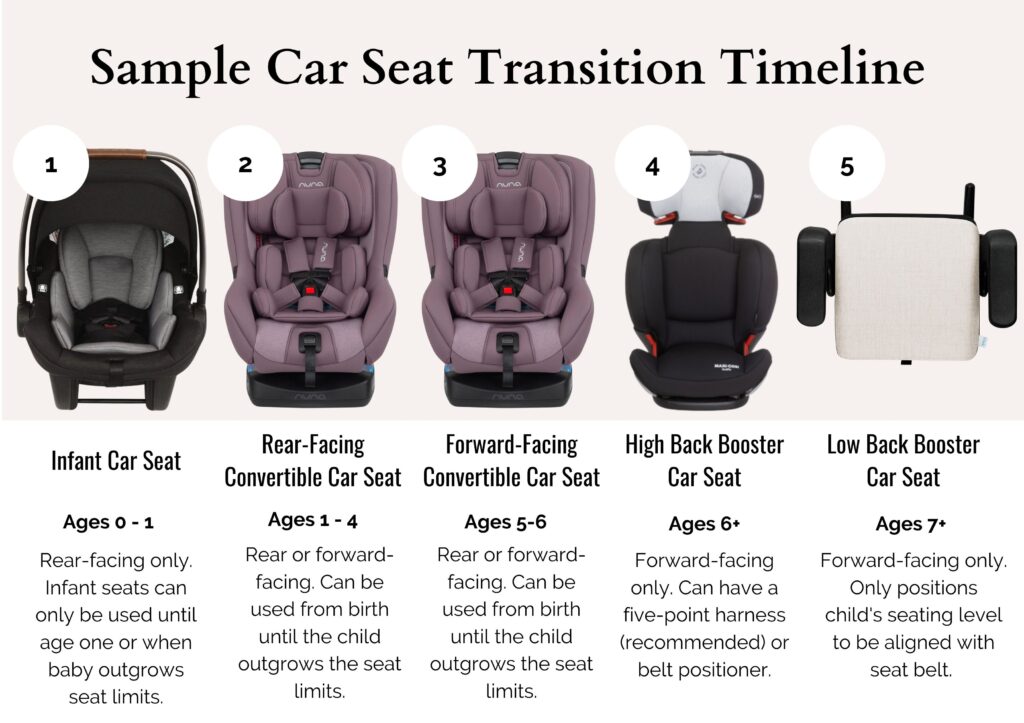
Secondly, your baby will outgrow the seat by weight or height limits, whichever comes first, long before the expiration date. Check the manufacturer's manual for these specific limits. A common rule of thumb is that the top of your baby’s head should be at least one inch below the top of the car seat shell. Once they hit either limit, it’s time to transition to a convertible seat. To enjoy your car seat journey more effectively, always register your product with the manufacturer to receive recall notifications. Keep it clean according to the manual’s instructions, and for ultimate peace of mind, have a certified Child Passenger Safety Technician (CPST) check your installation. Remember, while the journey with an infant car seat is relatively short, its role in your baby's safety is immeasurable!