How Long Does A Dexcom G6 Sensor Last
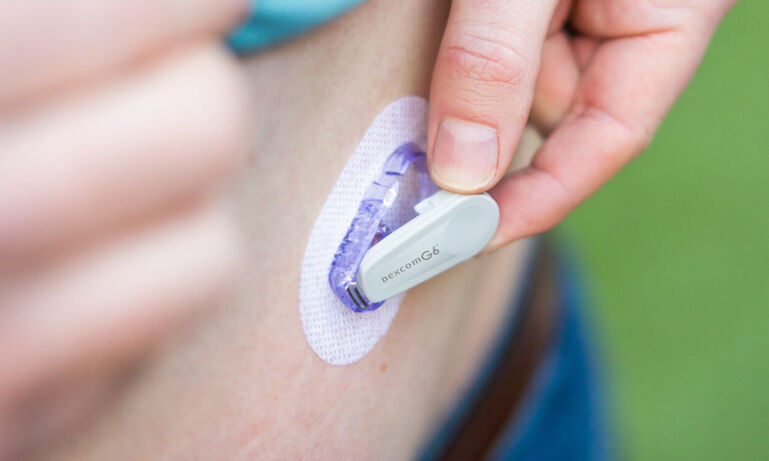
Ever wondered about those tiny, high-tech gadgets people are sporting on their arms these days? Chances are, you've spotted a continuous glucose monitor, or CGM. And if you're curious about one of the most popular ones, the Dexcom G6, you might be asking: just how long does one of those sensors actually last? It's a surprisingly interesting question, and understanding the answer can unlock a whole world of insights into managing diabetes and even optimizing wellness.
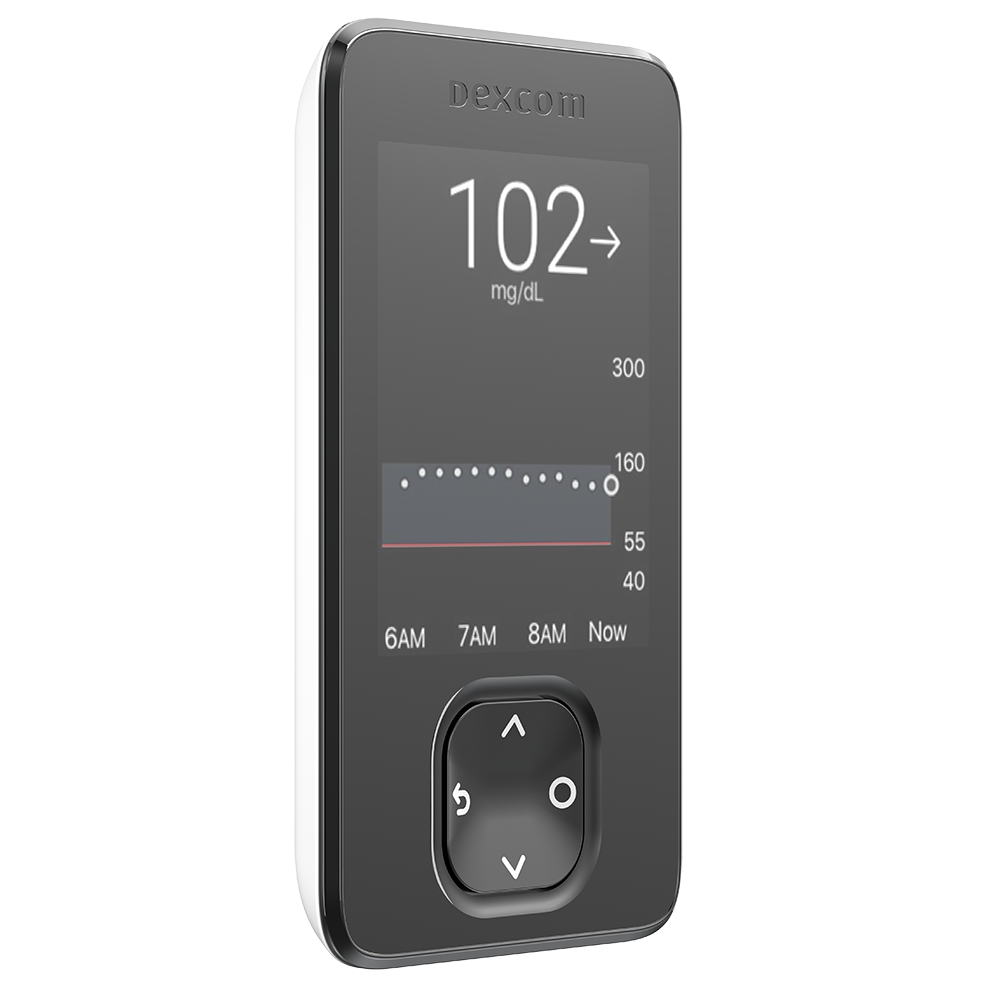
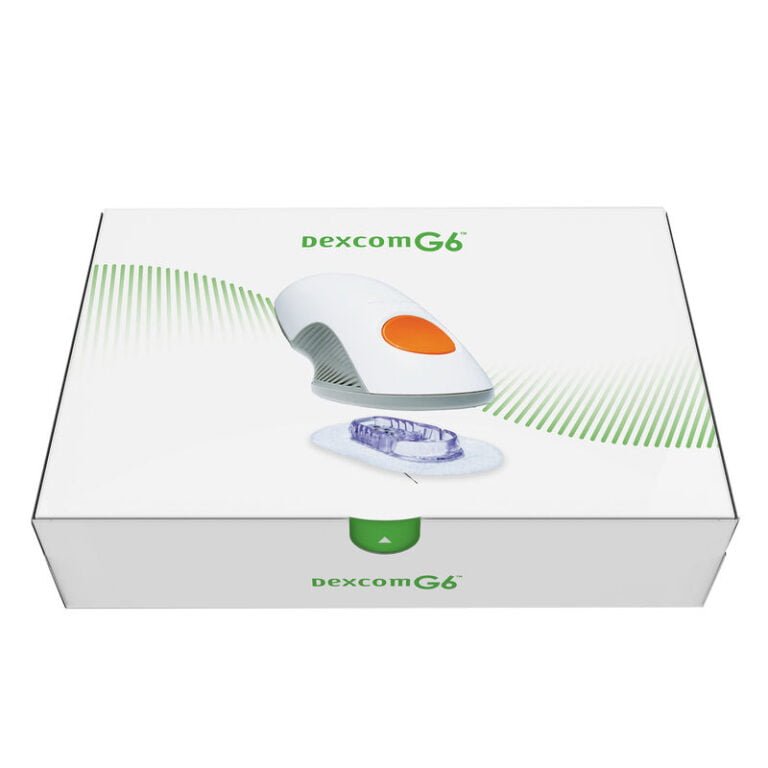
The Dexcom G6 is a game-changer for people with diabetes. Instead of pricking your finger multiple times a day to check your blood sugar, this tiny sensor, inserted just under the skin, continuously measures your glucose levels and sends the information wirelessly to a receiver or smartphone. Think of it like having a little lab assistant reporting your blood sugar every five minutes! The beauty of it lies in its ability to provide real-time data and trends, allowing for more proactive and informed decisions about insulin dosages, food choices, and activity levels. No more guesswork, just clear, actionable information.
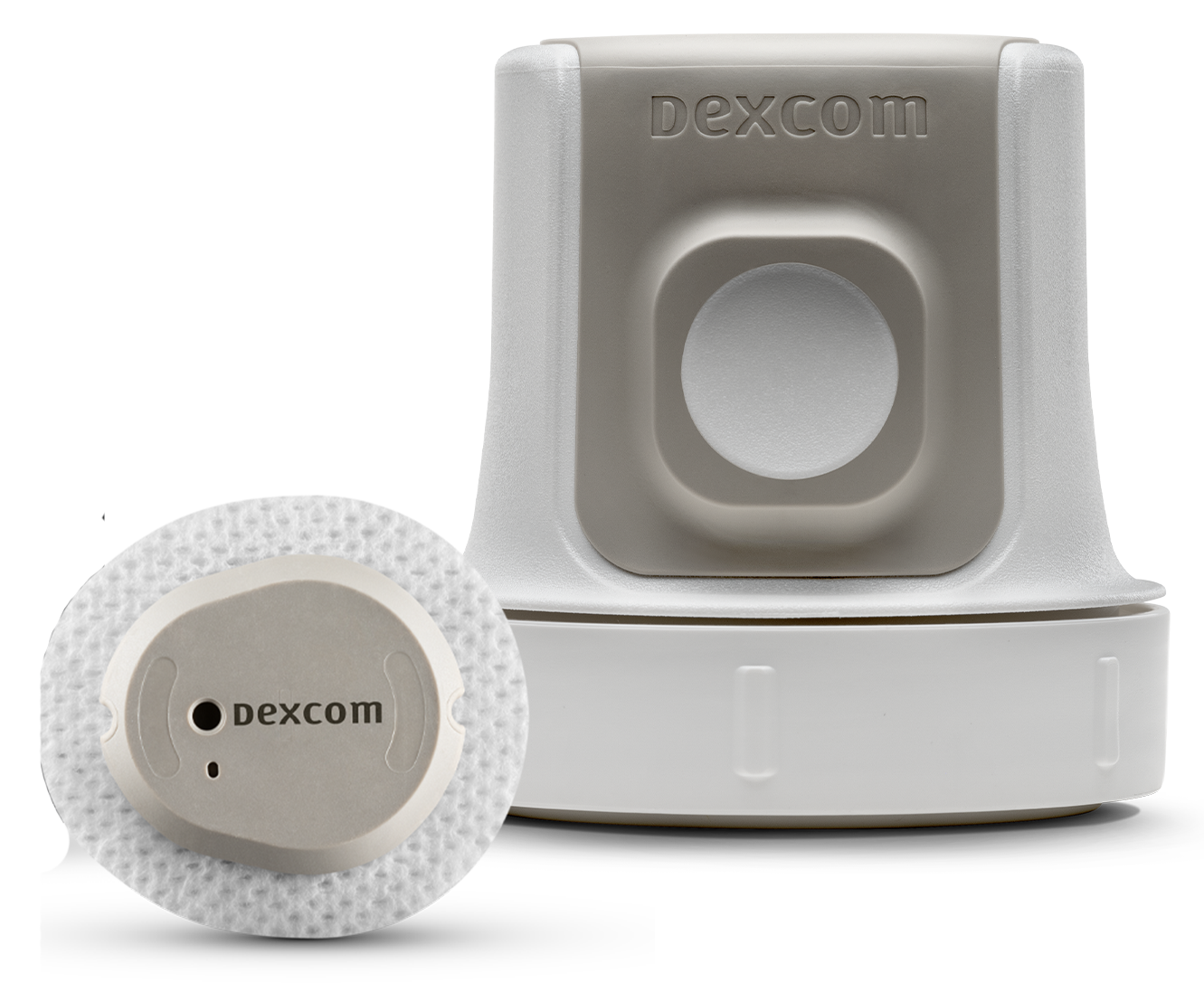
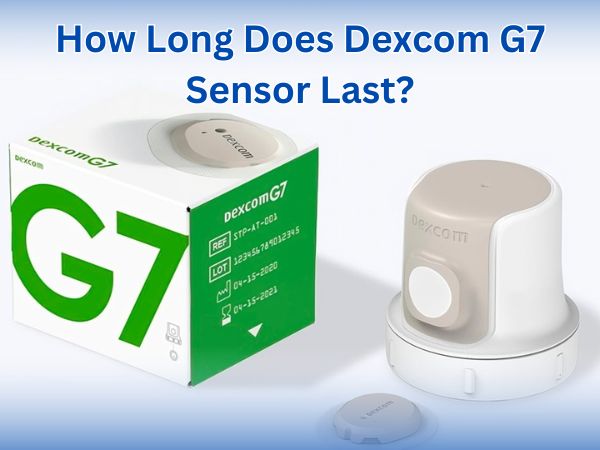
So, back to the original question: the Dexcom G6 sensor is designed to last for ten days. After that, it needs to be replaced with a new one. This is important because the accuracy of the sensor can degrade over time. After ten days, the system will prompt you to change the sensor. However, the transmitter, which is the reusable part that sends the glucose data, lasts much longer. It is designed to last 90 days.
Must Read
Imagine how this technology transforms daily life. A student with diabetes can discreetly monitor their glucose levels during class, ensuring they stay within a healthy range and can focus on learning. A busy parent can get alerts on their phone if their child's glucose is trending too high or too low, allowing them to intervene quickly. Athletes can use the data to optimize their performance and avoid dangerous hypoglycemic episodes during training. The applications are truly endless.
But it's not just for people with diabetes. Some athletes and health enthusiasts are even using CGMs, with their doctor's guidance, to understand how their bodies respond to different foods and exercises. By tracking glucose levels in real-time, they can fine-tune their diets and workouts for optimal performance and energy levels. This offers a deeper understanding of personal metabolic responses, which is something a single blood glucose test simply can't provide.
Want to explore the world of CGMs further? Start by talking to your doctor. They can help you determine if a CGM, like the Dexcom G6, is right for you. You can also check out the Dexcom website for detailed information and resources. You might even find online communities where users share their experiences and tips. Remember, understanding your body is a journey, and technology like the Dexcom G6 can be a powerful tool along the way. Learning about how long the sensor lasts is just the first step in understanding how this incredible piece of technology can improve your life or the lives of those you care about. And who knows, maybe you'll be sporting one of these sleek devices on your arm one day, too!