
How Long Can Infant Stay In Car Seat
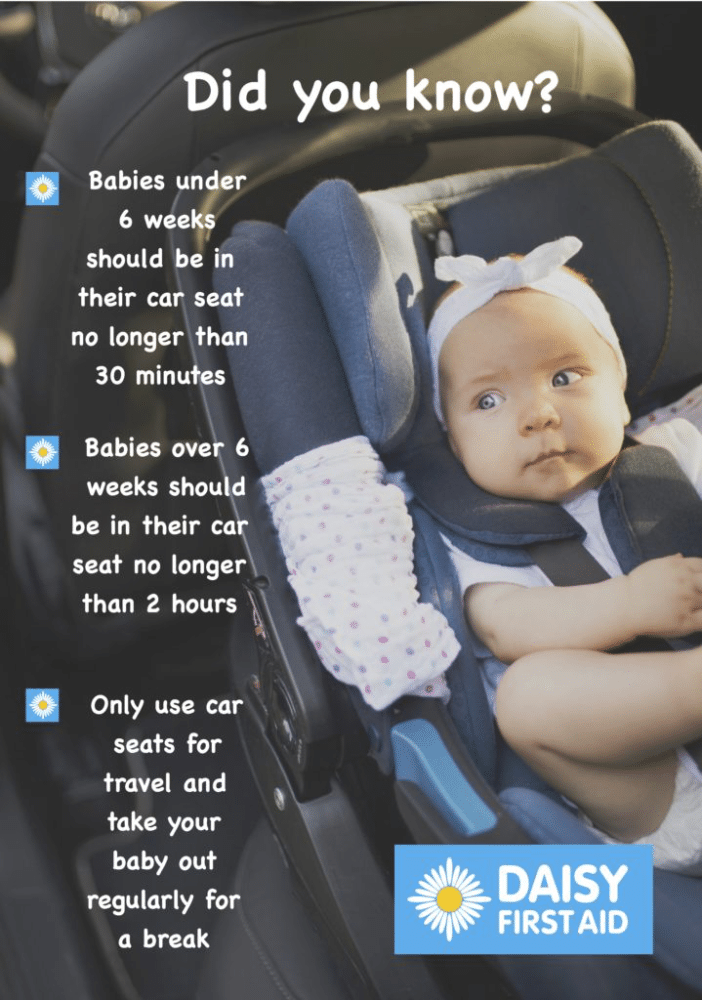
Alright, gather 'round, parents, soon-to-be-parents, and anyone who's ever wondered if that adorable little human in the car seat is perhaps... too comfortable. We're about to dive into one of parenthood's great mysteries, a question whispered in hushed tones over lukewarm coffee: how long can an infant actually stay in that car seat? Is it like a really cozy, portable crib? Or is it more akin to a tiny, mandatory holding cell with excellent safety features?
Let's be honest, car seats are magical. They transform a squirming, crying bundle into a serene, often-sleeping little angel, all thanks to the rhythmic hum of the engine and the gentle vibrations of the road. It’s pure alchemy! For many of us, the car seat nap is a precious window of peace where you can actually hear your own thoughts.
The Big Reveal: It's Not a Marathon, It's a Sprint (Sort Of)
Here's the scoop, folks: for newborns and young infants, the general consensus, often called the "2-hour rule," suggests that babies shouldn't spend more than two hours in their car seat at a time. Yes, two. Hours. Not two episodes of your favorite show, just two hours. And if your baby is premature, that window might even be shorter, requiring extra vigilance.
Must Read
Now, I know what you're thinking. "Two hours? But my road trip to Grandma's is five!" Don't panic. We'll get to the logistics. But first, let's understand why this seemingly arbitrary rule exists, because it's not just a conspiracy by the "stop-every-two-hours-and-stretch-your-legs" lobby.
Why the Car Seat Isn't a Permanent Fixture: The "Serious but Funny" Science Bit
Imagine being squished into a tiny, reclined bucket for hours on end. Not exactly a spa day, right? For a baby, especially a brand-new one, it's a bit more serious. Their little bodies aren't miniature adults; they're delicate works in progress.
1. The Wobbly Head and Floppy Airway Conundrum
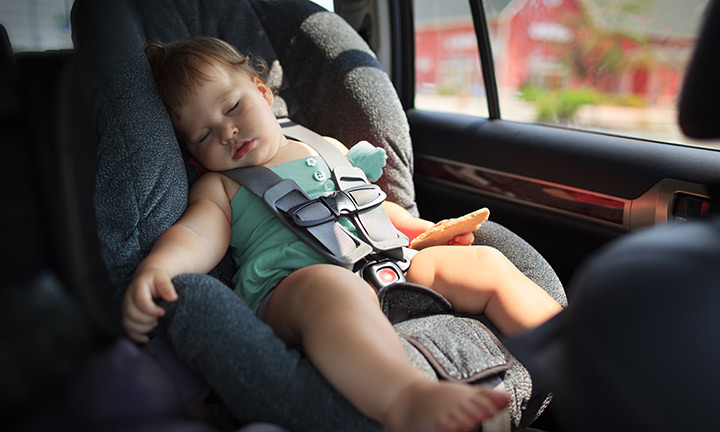
Babies, especially newborns, have notoriously weak neck muscles. They’re like adorable, wobbly-headed little sunflowers. In a semi-reclined position, their heads can sometimes slump forward, potentially compressing their airways. This isn't just uncomfortable; it can lead to positional asphyxia. It means their breathing can become restricted, which is a big, flashing red light on the "danger" meter. It’s like trying to breathe while your chin is glued to your chest – definitely not safe for tiny lungs.
2. Spine Development: No Bananas Allowed
Ever notice how a baby in a car seat forms a bit of a C-shape? That's not ideal for their developing spine over long periods. While safe for travel, staying in that position for too long can put undue pressure on their still-forming vertebrae. Their spines need to stretch and straighten out regularly to develop properly. We want strong, straight spines, not permanent banana shapes.
3. Flat Head Syndrome (Plagiocephaly): The Unwanted Souvenir
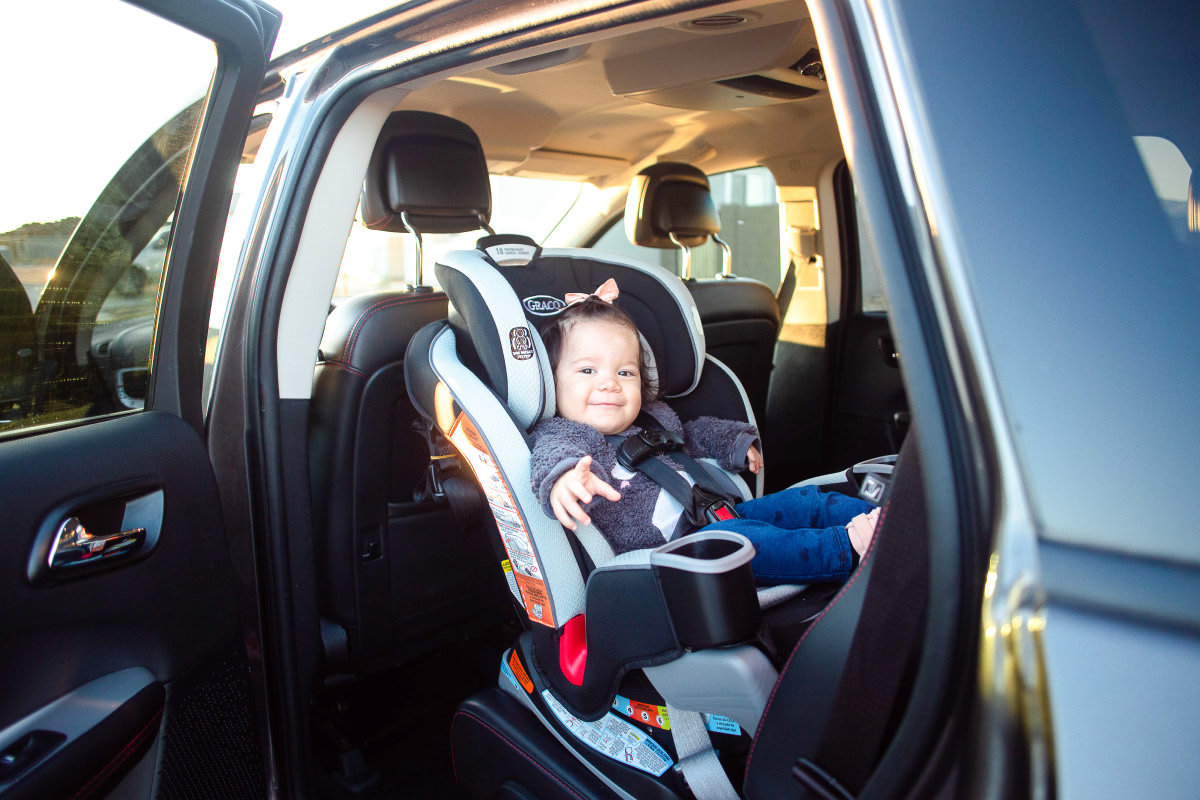
Spending too much time in any one position – be it in a car seat, bouncer, or swing – can lead to plagiocephaly, or flat head syndrome. Imagine your head resting on the same spot for hours; it’s a bit like squishing a marshmallow. While often just cosmetic, it's a good reminder that babies need plenty of supervised tummy time and changes in position to encourage proper head shape and motor development.
4. Overheating: Tiny Human, Tiny Greenhouse
Car seats, especially the plush, cozy ones, can be surprisingly good at retaining heat. Combine that with a hot car, and you’ve got a recipe for an overheated baby. Infants regulate their temperature differently than adults, and overheating increases the risk of SIDS (Sudden Infant Death Syndrome). So, while they might look like they're tucked into a snuggly cocoon, make sure they're not roasting like a little marshmallow over a campfire.
The Road Trip Survival Guide: Strategizing Your Stops
So, you’ve got a long journey ahead. Does this mean you have to strap your baby to your chest and walk? Thankfully, no! The 2-hour rule simply means you need to plan your pit stops. Every couple of hours, pull over. Take your baby out of the car seat. Let them stretch, wiggle, have a diaper change, a feeding, and some good old-fashioned cuddle time. Let them lie flat on a blanket for a bit. It’s not just good for them; it's a mandatory sanity break for you too!
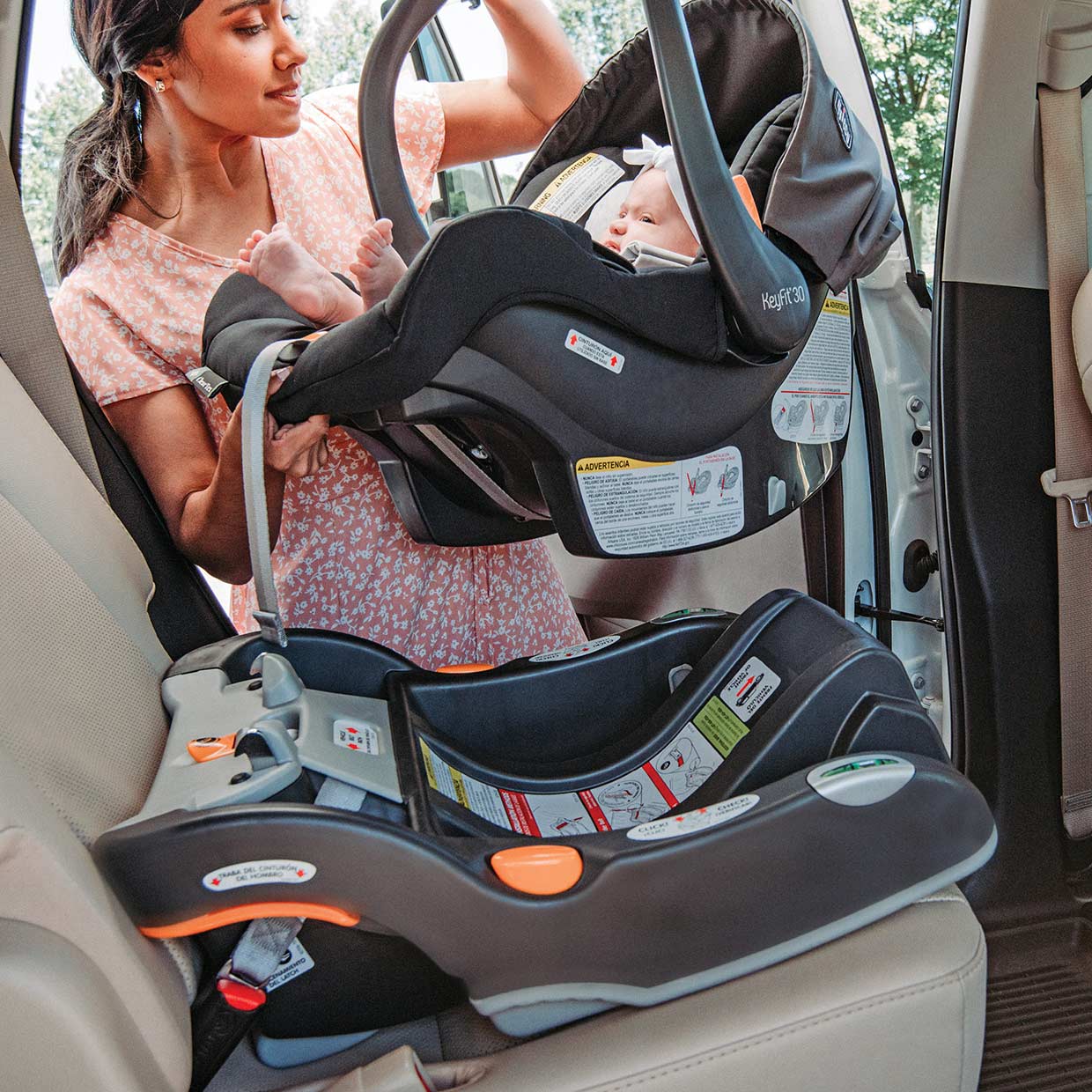
Think of these breaks as mini-refreshers. For your baby, it's a chance to breathe freely, move their limbs, and take in a different view. For you, it's an opportunity to grab a questionable gas station coffee and remind yourself that you are, in fact, a superhero parent.
Beyond the Car: Car Seats Are For Cars, Not for Sleepovers
And here’s a crucial point: a car seat is for travel. It is not designed for extended sleep outside of the car. Resist the urge to let your baby snooze in it for hours once you’re home, even if they look utterly adorable and peaceful. That same risk of positional asphyxia and overheating applies, even more so when unsupervised. When it’s sleep time, it’s crib time – on a firm, flat surface, on their back.
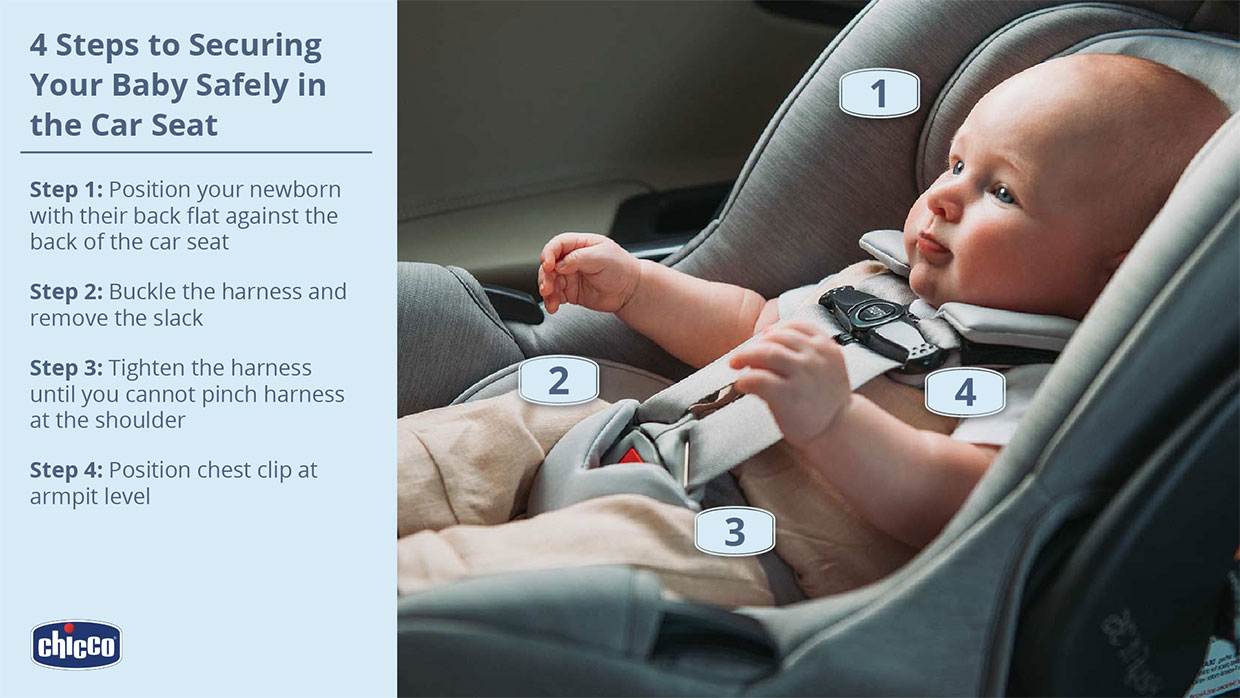
When Does the "Rule" Loosen Up?
As your baby grows, their neck muscles strengthen, and their ability to move and reposition themselves improves. By the time they're a few months old, the hard-and-fast two-hour rule can become a little more flexible. However, even for older infants, regular breaks are still a good idea for comfort and development. Always prioritize your baby's comfort and safety over speed.
The Bottom Line: Listen to Your Gut (and Your Baby)
Ultimately, while these guidelines are important, you know your baby best. If they're fussing, uncomfortable, or just seem "off," don't push it. Take them out, give them a break, and reassess. The car seat is an indispensable safety device, but like a good pair of shoes, it's meant for its specific purpose, and sometimes, those little feet just need to be free!
So, next time you're buckling in your tiny co-pilot, remember the two-hour tango. It’s a small effort that makes a huge difference in keeping your little one safe, sound, and ready for whatever adventure awaits them after their great car seat escape.