
How Long Can A Refrigerator Last Without Power

Okay, so picture this: I'm hosting a huge barbecue. Burgers are sizzling, potato salad is chilling, the whole nine yards. Suddenly, BAM! Power outage. Total darkness. My first thought? Not candles. Not flashlights. But the refrigerator. All that perfectly good food! The horror! (Anyone else get food anxiety during power outages? Just me?)
That got me thinking... How long does a refrigerator realistically last without power before turning into a science experiment gone wrong? It's a question we all ponder, usually when we're already sweating bullets in a powerless kitchen.
The Cold, Hard Truth (Pun Intended)
The answer, unfortunately, isn't a simple "72 hours, no problem!" It depends on a few key factors. Think of it like a choose-your-own-adventure novel, but with slightly spoiled milk at the end.
Must Read
Factor #1: How Full Is It? A full refrigerator is like a thermal battery. All that food acts as insulation, helping to maintain the cold temperature for much longer. A sparsely populated fridge? Not so much. Empty space equals quicker warming. So, stocking up isn't just about having snacks; it's about emergency preparedness! (Who knew?).
Factor #2: Keep It Shut! This is the big one. Every time you open that door to peek inside (we've all done it), you're letting precious cold air escape and warm air rush in. Resist the urge! Imagine you're a polar bear guarding your icy kingdom. Every door opening is a threat. Seriously, put a sign on the fridge if you have to: "DO NOT OPEN UNLESS YOU WANT TO EAT EVERYTHING IN ONE SITTING."
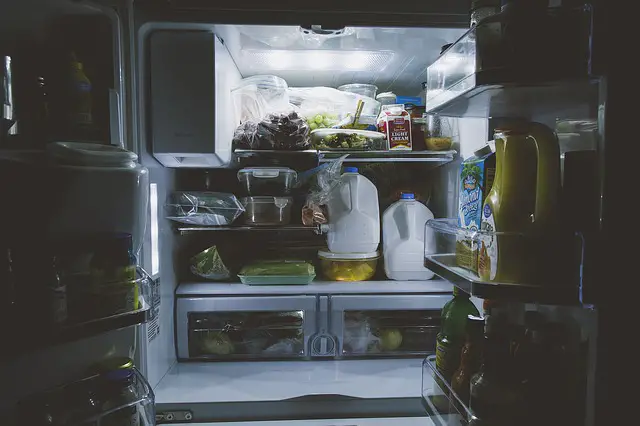
Factor #3: Type of Refrigerator. Some refrigerators are simply better insulated than others. Newer models tend to be more energy-efficient and often have better insulation. Old clunkers? Well, they might struggle a bit more. Think of it as the difference between a modern, energy-efficient house and a drafty old cabin. Both offer shelter, but one's going to be a lot warmer (or colder, in this case).
The Timeframe: General Guidelines
Okay, so with all those caveats in mind, let's get down to brass tacks. As a general rule of thumb:

- A fully stocked refrigerator will keep food safe for about 4 hours without power.
- A freezer (that's completely full) will hold its temperature for around 48 hours.
- A half-full freezer? About 24 hours.
See? A huge difference! And those are just estimates. Don't treat them as gospel. (Seriously, when in doubt, throw it out. Food poisoning is not a fun souvenir from a power outage.)
What About the Freezer?
Freezers are the superheroes of power outages. They're like the cold, stoic guardians of your frozen pizzas and ice cream. Because they're kept at much lower temperatures to begin with, they have a larger buffer before things start to thaw. (And thawing is where the trouble really begins.)
Here's a pro tip: If you know a power outage is likely (thanks, hurricane season!), consider freezing containers of water. These will act as extra "ice packs" to help keep things cold longer. It's like giving your freezer a little boost!
Food Safety First!
This can’t be stressed enough: When the power comes back on, don’t just assume everything is fine. Use a food thermometer to check the internal temperature of questionable items. Food that's been above 40°F (4°C) for more than two hours should be tossed. It's sad, I know, but it's better than spending the next day or two… well, you get the picture.
Specifically, pay close attention to meat, poultry, seafood, eggs, and dairy products. These are the high-risk foods that spoil quickly and can harbor harmful bacteria. If in doubt, err on the side of caution.
Final Thoughts
Power outages are annoying, but they don't have to be a culinary disaster. By keeping your refrigerator full, avoiding unnecessary door openings, and being mindful of food safety, you can minimize the damage and keep your food (and yourself!) safe.
And hey, at least you have a good excuse to eat all the ice cream, right? Silver linings, people, silver linings! (Although, maybe that's just me rationalizing.)