hit tracker

How Long Are Septic Systems Good For


How Long Are Septic Systems Good For

Have you ever paused to think about what happens after you flush the toilet, or where all that dishwater goes when your home isn't connected to a big city sewer system? It's a question many of us don't ponder much, yet for millions of homeowners, the answer lies beneath their very feet: in a septic system. These hidden heroes of household waste management are often out of sight, out of mind, until, well, they're not. So, let's get curious and ask: how long are these vital underground systems actually good for? Understanding this isn't just practical; it’s a fascinating peek into the engineering and natural processes that keep our homes running smoothly.

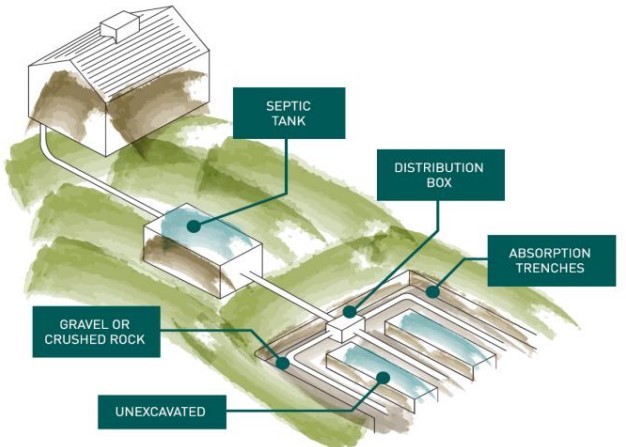
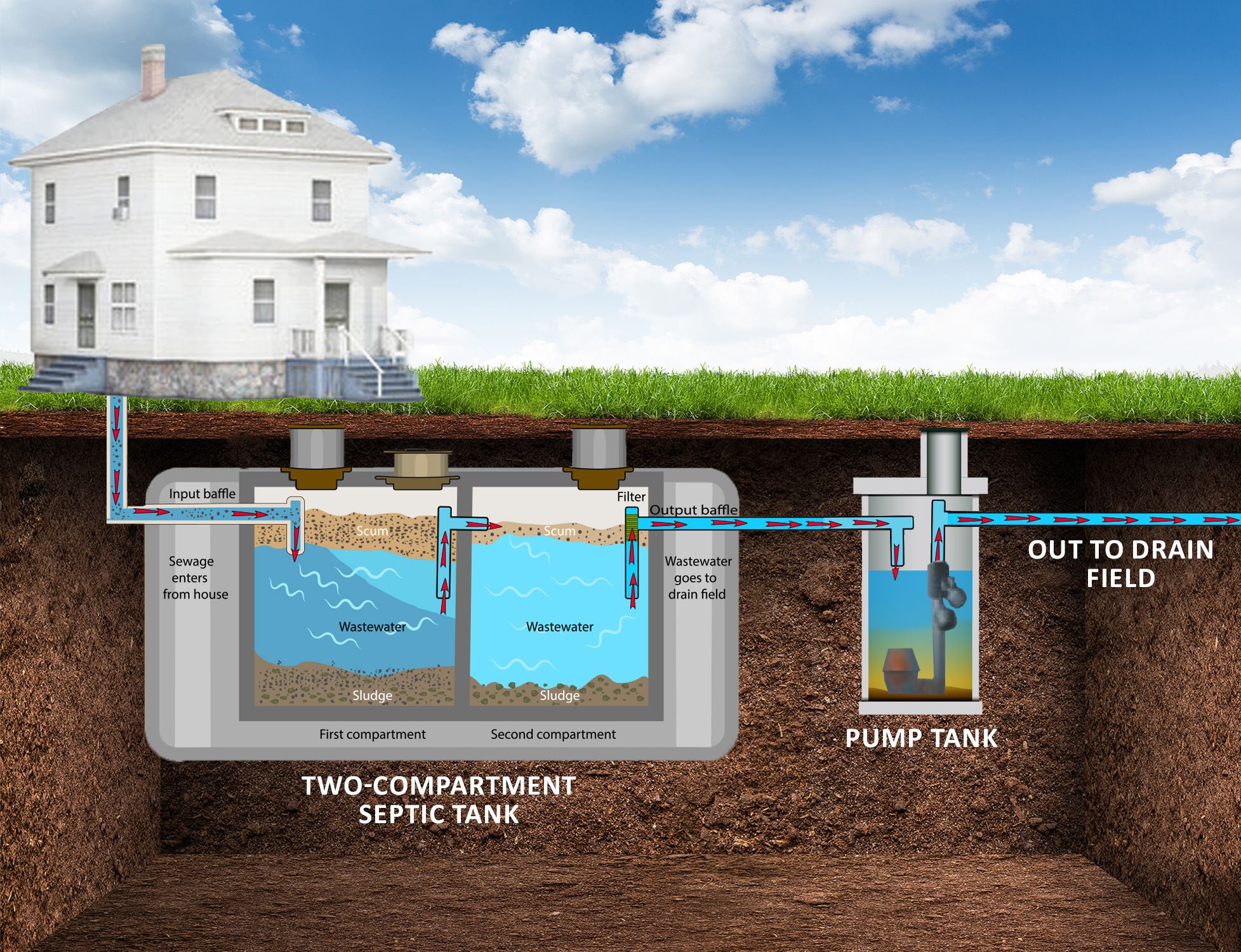
At its heart, a septic system is a marvel of decentralized wastewater treatment. Its main purpose is to take all the water that goes down your drains – from sinks, showers, and toilets – and safely return it to the environment. It does this in two stages: first, a large underground tank collects the waste, allowing solids to settle and liquids to separate. Bacteria naturally break down much of the organic matter. Then, the treated liquid (effluent) flows into a drain field, where it slowly filters through soil, which acts as a natural purifier before it rejoins the groundwater. The benefits are immense: it allows homes to exist in rural areas without access to municipal sewers, it’s an environmentally sound method when properly maintained, and it offers a cost-effective, self-contained solution for waste management.

You might think septic systems are purely a practical matter, but their principles touch on many aspects of daily life and even education. Every time you consciously conserve water, you’re inadvertently helping your septic system work more efficiently. In an educational context, understanding septic systems offers practical examples for studying environmental science, microbiology (the bacteria doing the decomposition!), soil science, and even basic engineering principles behind drain field design. They are a fantastic real-world lesson in sustainable living and how human activity interacts with natural processes. Without them, countless homes would face significant challenges, highlighting their understated role in our infrastructure.

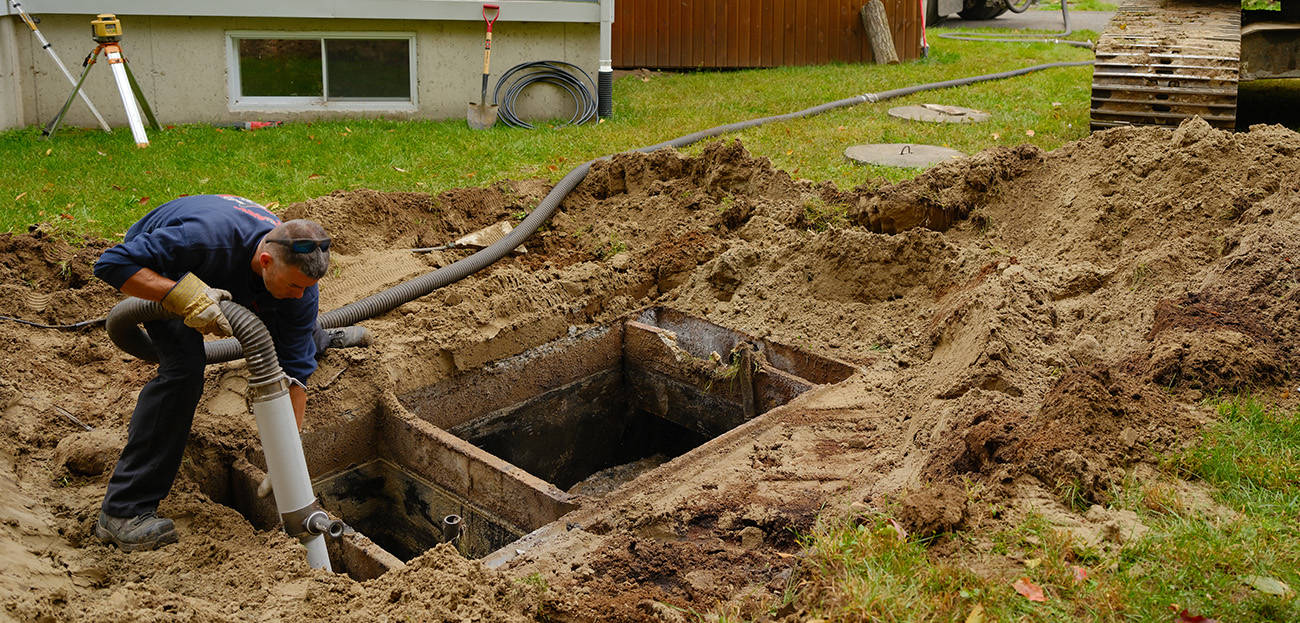
So, back to our big question: how long are they good for? Well, it varies, but with proper care, a septic system can last anywhere from 20 to 40 years, and sometimes even longer! The septic tank itself, usually made of concrete, can last for decades, while the drain field's longevity depends heavily on how it's treated. Want to explore this topic and potentially extend the life of your own (or a future) septic system? Here are some practical tips and simple ways to "explore" this hidden world:

  • Pump It Regularly: This is arguably the most important tip. Tanks should be inspected every 1-3 years and pumped every 3-5 years, depending on household size and usage. This prevents solids from building up and clogging your drain field, which is often the system's weakest link.
  • Be Mindful of What Goes Down the Drain: Avoid harsh chemicals (bleach, drain cleaners), excessive grease, and non-biodegradable items like wet wipes, feminine hygiene products, or cat litter. Your septic system is a delicate ecosystem!
  • Conserve Water: Less water going into the system means less stress on it. Fix leaky faucets, take shorter showers, and run full loads of laundry.
  • Protect Your Drain Field: Know where it is and avoid driving heavy vehicles or planting trees with invasive roots over it. The soil needs to be able to breathe and absorb water effectively.
  • Learn the Signs of Trouble: Keep an eye (and nose) out for slow drains, gurgling pipes, foul odors indoors or outdoors, or unusually wet spots in your yard. These can be early warnings that something needs attention.
  • Schedule Professional Inspections: Especially if you’re buying or selling a home with a septic system. A professional can give you a clear picture of its health and projected lifespan.

By understanding and respecting these subterranean workhorses, we can ensure they continue to serve us well for decades, quietly doing their important job beneath our feet.
How Long Do Septic Tank Lines Last - Infoupdate.org How Long Are Septic Tank Lines - Infoupdate.org A Comprehensive Guide to Septic Tank Treatment - Septic Tank Guy How long does it take to install a septic system?

You might also like →