How Long Are Nuna Car Seats Good For

Ah, the joys of parenthood! From picking out that first tiny outfit to packing the hospital bag, every decision feels monumental. And when it comes to keeping your little one safe on the road, few choices are as important – or as thoughtfully researched – as selecting their car seat. Many parents, drawn by their reputation for style, safety, and quality, choose a Nuna car seat. But once you've made that investment, a common, incredibly important, and sometimes overlooked question pops up: "How long exactly is this beautiful fortress on wheels good for?" It might not sound like the most thrilling topic, but understanding your car seat's lifespan is actually a super empowering piece of knowledge, offering unparalleled peace of mind and ensuring top-notch safety for your precious cargo throughout their journey.
So, why do car seats, even premium ones like Nuna, have an expiration date? It's not just a marketing ploy; it's a critical safety measure! Over time, the materials that make up your car seat – the plastics, the foam, the webbing straps, and even the metal components – can degrade due to environmental factors like temperature fluctuations, sun exposure, and everyday wear and tear. Plastic can become brittle, foam can lose its energy-absorbing properties, and webbing can weaken. Furthermore, safety standards are constantly evolving. An older seat, even if structurally sound, might not meet the most current and rigorous safety requirements. Lastly, a car seat’s history is impossible to fully know if it’s been involved in a crash, even a minor one, which can compromise its integrity. Knowing the expiration date helps you avoid these potential hazards.
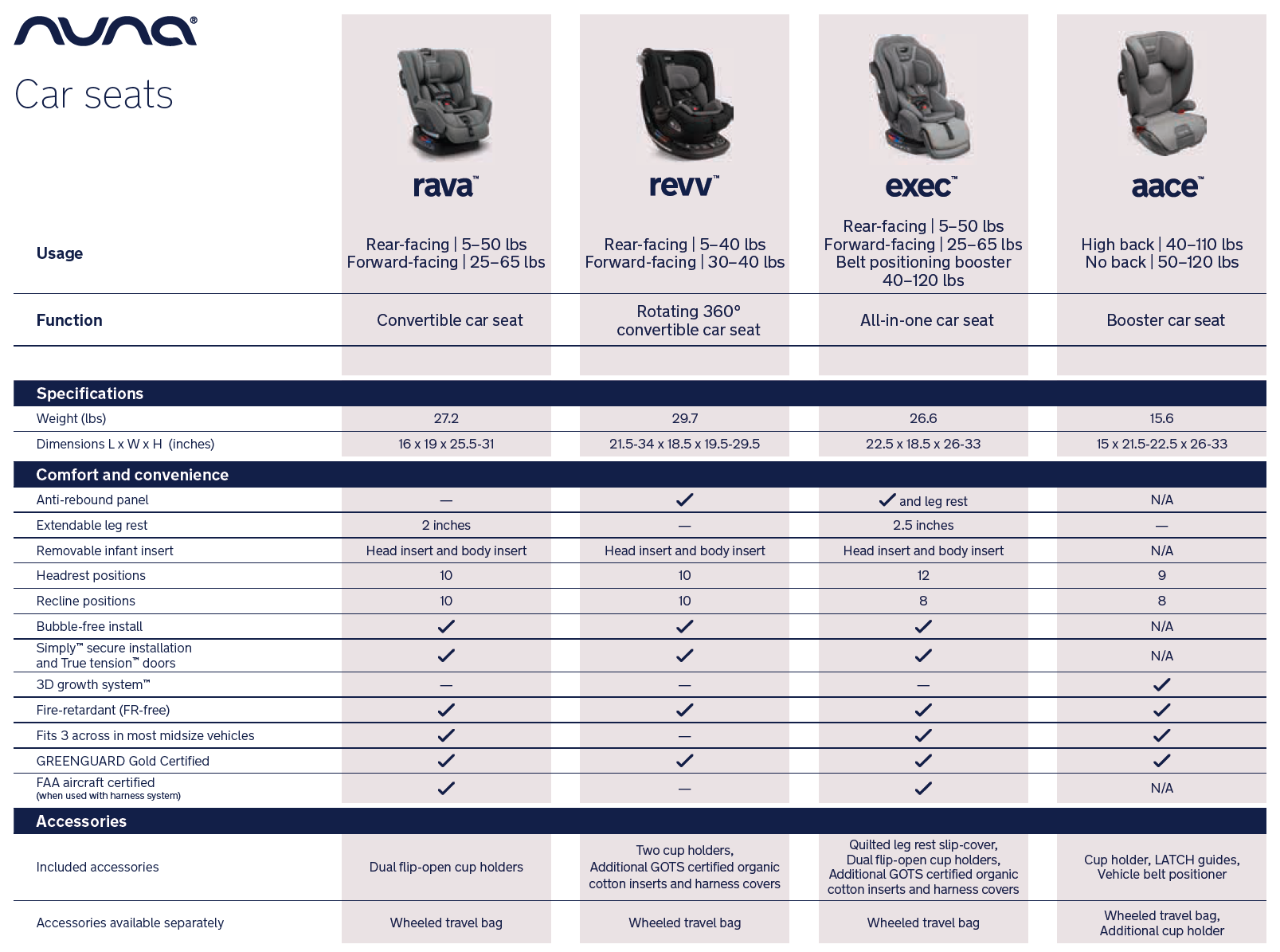
Finding the expiration date on your Nuna car seat is typically straightforward, though it might require a little detective work! Nuna, like all reputable car seat manufacturers, clearly marks its products. You'll usually find the crucial dates – both the date of manufacture and the expiration date – on a label somewhere on the bottom or side of the seat. Sometimes, this information is also molded directly into the plastic or can be found within the instruction manual (which, let's be honest, is probably stored somewhere super safe!). For most Nuna car seats, you're looking at a lifespan of approximately seven years from the date of manufacture. Make sure you check both dates to be certain!
Must Read
The benefits of knowing your Nuna car seat's lifespan extend beyond just avoiding a potentially unsafe situation. It allows you to plan effectively for future children, budget for replacements, and ensure you're always using equipment that complies with the latest safety guidelines. Imagine the confidence you'll feel knowing that your child is protected by a seat that is not only expertly designed but also well within its usable life. This knowledge is part of being a responsible and informed parent, ensuring that every ride is as safe as possible. It’s about more than just a date; it’s about providing the best possible protection for your little one, journey after journey.
Once your beloved Nuna car seat has reached its expiration date – or if it's been involved in any kind of crash, even a minor one – it's time to say goodbye. It’s absolutely crucial not to pass it on or try to sell it, as its safety integrity can no longer be guaranteed. The best practice for disposal is to cut the straps, mark it clearly as "expired" or "unsafe," and then dismantle it as much as possible to prevent anyone from attempting to reuse it. Check with your local recycling center or waste management facility; many communities offer special car seat recycling programs. By properly retiring an expired car seat, you complete the full circle of responsible car seat ownership, ensuring safety from day one until its very last ride.