
How Long After A Fire Can You Move Back In
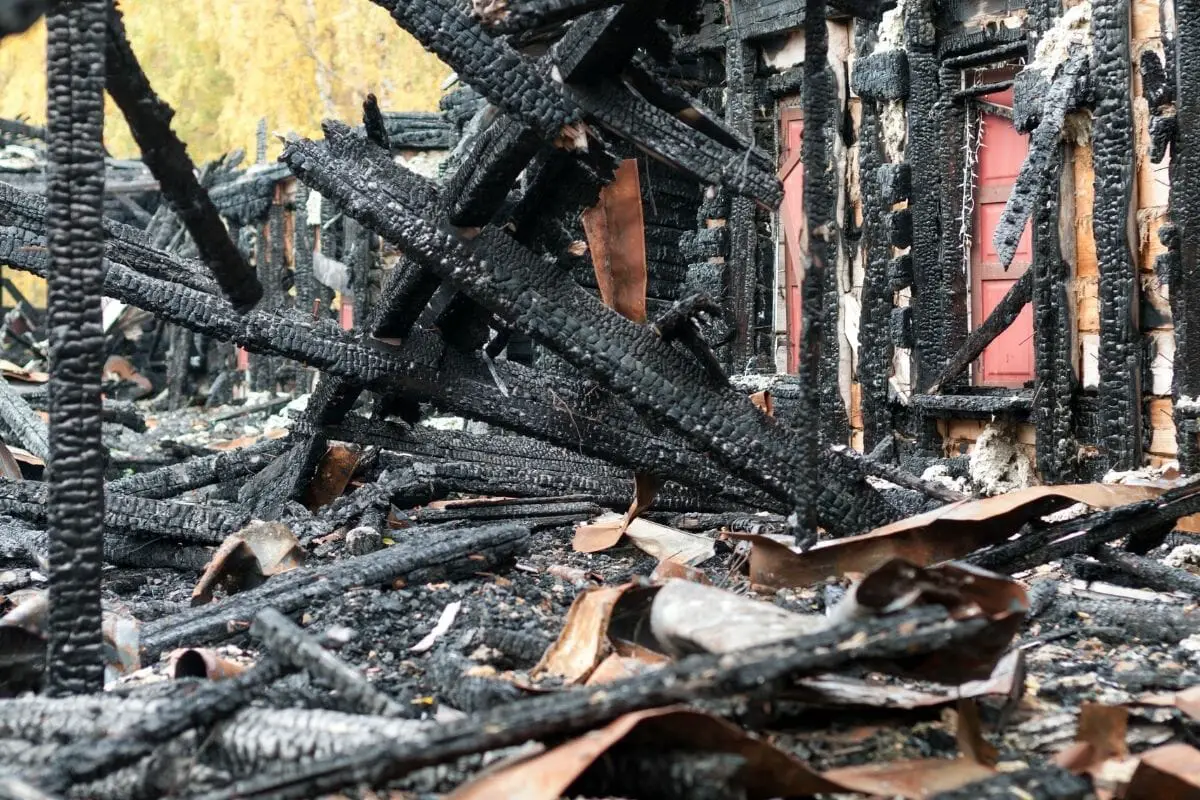
Oh, hey there! Grab a cuppa. We need to chat about something pretty serious, but we’ll keep it light, okay? Because dealing with a fire? Ugh. It’s like the universe decided to play a really mean practical joke on your home. And once the flames are out, the first thought, after "OMG, is everyone okay?!", is usually, "Can I just go back inside?!" Right?
And then the next thought, hot on its heels, is: "How long after a fire can you move back in?" It’s the million-dollar, utterly stress-inducing question. And honestly, it's not a simple "Tuesday" kind of answer. More like a "well, pull up a chair, this might take a minute" kind of answer.
Immediate Aftermath: The "Nope, Not Yet" Phase
First things first: when the fire department gives the all-clear, it often just means the fire itself is out. It doesn't mean your place is ready for a pajama party. Far from it! Think of it like a really intense workout – you're done, but everything's still a bit shaky and needs a good cool-down.
Must Read
There are so many unseen dangers lurking. We're talking about things like structural integrity. Did that beam get a bit too toasty? Is the floor above still, you know, floor-like? You can't just eyeball that. It takes pros. And then there's the air. Oh, the air! It’s not just "smoky." It's full of nasty soot particles, chemicals, and things you absolutely do not want to breathe in. Ever.
Plus, your utilities? They’re probably disconnected. No power, no water, no gas. It's like extreme camping, but without the fun campfire s'mores. So, moving back in right away? It's a hard pass. Seriously. Your safety and health are paramount. Always.

Who's In Charge Here? The Inspection Brigade
So, who gets to say "yay" or "nay" to your grand re-entry? It’s a bit of a committee, actually. First, the fire department will do their initial sweep. Then, if the damage is significant (and let’s be real, most fires cause some significant damage), you’ll have a procession of experts.
Your insurance adjuster will be a key player. They're the ones assessing the financial scope of the damage, which directly impacts what needs fixing and how quickly. You'll also likely have structural engineers, electricians, plumbers, and dedicated fire and smoke restoration companies. Each one has a piece of the puzzle. It's not just about what looks burned; it's about what's compromised, what’s full of nasty invisible residues, and what needs a complete overhaul.
The Big "It Depends" – Severity is King
Alright, for the answer to "how long?"... here comes the least satisfying but most honest answer: it totally depends. I know, I know. Not what you wanted to hear. But it’s true! Think of it like asking, "How long does it take to bake a cake?" Is it a cupcake or a five-tier wedding masterpiece?
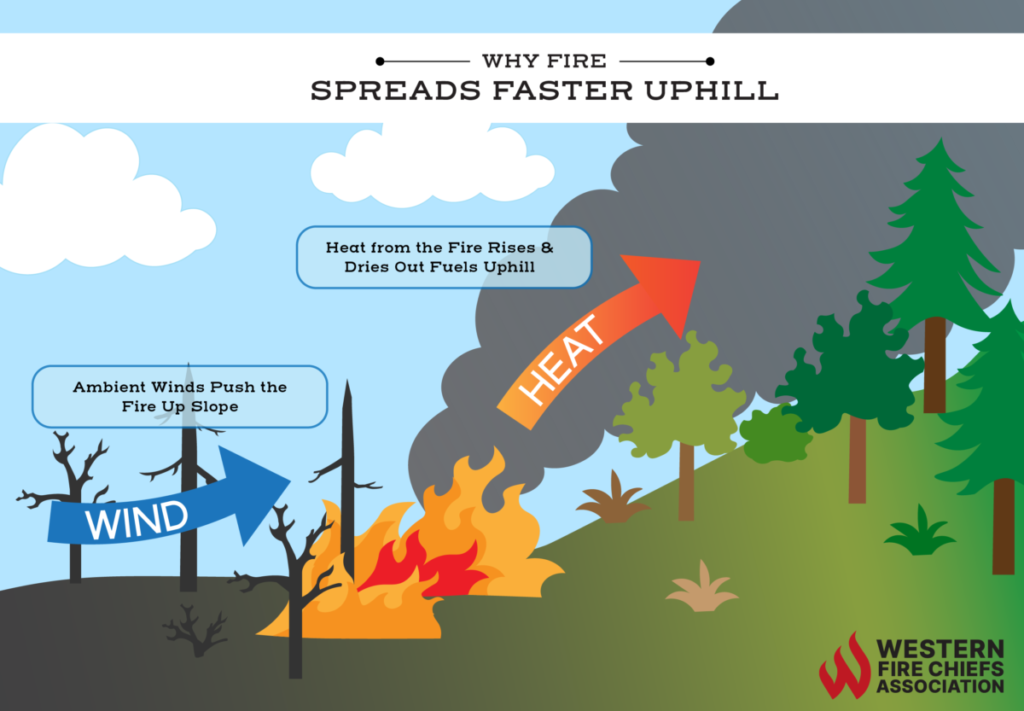
The severity of the fire is the ultimate dictator of your timeline. Was it a small, contained kitchen fire that mostly created smoke damage? Or did an entire wing of your home decide to have an impromptu bonfire? Did the firefighters douse everything with a monsoon’s worth of water, adding water damage to the mix?
- Minor smoke damage only? You might be looking at days to a few weeks. This involves intensive cleaning, air scrubbing, and maybe repainting. Annoying, but doable.
- Moderate damage? This means some structural stuff might be iffy, or smoke damage is deep-seated throughout the house. Think a few weeks to a few months. There’s demo, rebuilding, and serious restoration involved.
- Major damage or total loss? Oh, honey. This is the big one. We’re talking many months, possibly a year or even more. This is essentially rebuilding a good portion, if not all, of your home. It’s a marathon, not a sprint.
The Restoration Rollercoaster: What Happens During Your Wait
While you’re patiently (or not so patiently, let’s be real) waiting, a whole lot of work is happening. First, the pros will secure the property. Then comes the drying out if there’s water damage (and there often is, thanks to the valiant firefighters). After that, the serious deep dive begins: demolition of unsalvageable materials, followed by meticulous smoke and soot remediation. This isn't just a quick wipe-down; it's specialized cleaning, sealing, and often removing porous materials that have absorbed the smell and chemicals.

Only then can the rebuilding commence. New drywall, new flooring, electrical, plumbing – you name it. It's a whole construction project. And each step needs to be done correctly to ensure your home is not just repaired, but truly safe and healthy for you to live in again. There will be inspections at various stages, too, ensuring everything meets code.
The Finish Line: Patience, My Friend
So, to circle back: there’s no magic number. It’s a process, often a long one, filled with assessments, permits, repairs, and inspections. The most important thing? Don't rush it. Seriously. Moving back into a home that hasn't been properly restored can lead to long-term health issues and structural problems down the line. It's just not worth it.
Lean on your insurance company, lean on your restoration professionals, and most importantly, lean on your friends and family. This is a tough journey, but your home will be whole again. And when you finally do get to unlock that door and step back in, knowing it’s truly safe and clean? That's when all that patience will finally pay off. Hang in there.
