
How Likely Is It For Lightning To Strike Your House
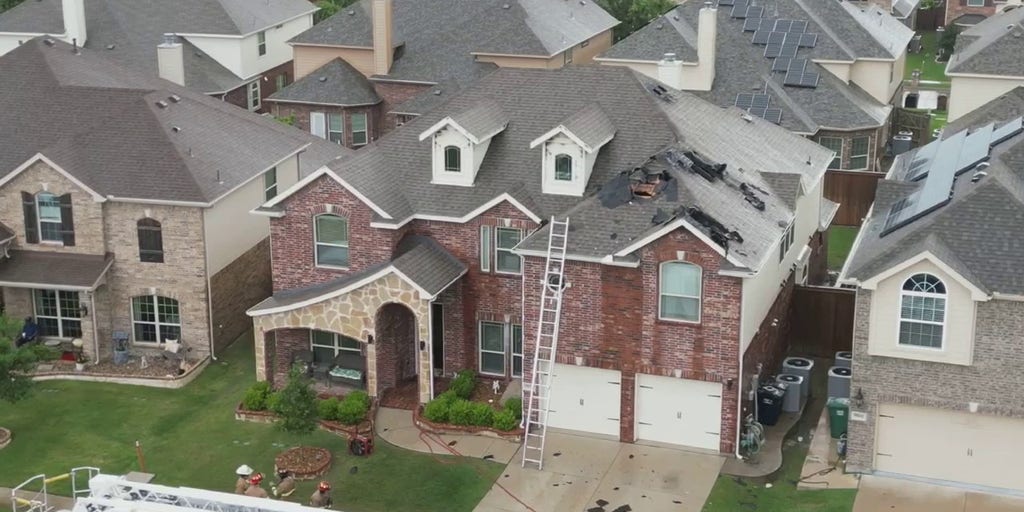
Picture this: a colossal summer storm is brewing. The sky darkens with an ominous grey, thunder grumbles like a giant stomach ache, and then – BAM! A blinding flash, an ear-splitting crack, and your whole house seems to shudder. Your heart leaps into your throat. Did that just hit my house?! It’s a primal fear, a moment of pure adrenaline, and a classic scene from countless movies. But let's take a deep breath and have a little chat about just how likely that dramatic scenario really is for your humble abode.
The Odds Are… Surprisingly Chill
While lightning is undeniably powerful and awe-inspiring, the chance of it directly striking your specific house is actually quite low. We’re not talking lottery-win low, but it's certainly not an everyday occurrence. Think of it less as a bullseye on your roof and more like a very enthusiastic, but not always accurate, game of cosmic darts. The truth is, lightning is far more likely to strike tall objects, isolated trees, or the ground itself, often diffusing its energy before it finds your cozy living room.
"Most people go their entire lives without experiencing a direct lightning strike on their home. It's like seeing a unicorn... a very, very fast, electrifying unicorn."
However, "low probability" doesn't mean "never happens." When it does, it makes for quite a story! And that's where the fun, and sometimes the hilarious, part comes in. Because while a direct strike can certainly cause damage, it often manifests in ways you'd never expect.
Must Read
When Zap Happens: The Quirky Aftermath
Forget the Hollywood explosions; real-life lightning strikes on homes are often a lot stranger. One moment, your internet is happily streaming your favorite show; the next, your modem is a slightly melted, very confused blob. It’s like a mischievous poltergeist decided to redecorate with electricity. You might find blown-out lightbulbs in the most unexpected corners, or discover that your garage door opener has spontaneously decided to start playing classical music.
A friend of mine, Sarah, once told me about a storm where lightning struck an old oak tree near her house. She was safe inside, but the next day, every single appliance in her kitchen refused to work… except for her ancient toaster, which suddenly began toasting bread at warp speed. She still swears it was lightning-powered. Talk about an unexpected upgrade!

Another common tale involves the "phantom surge." The lightning might not hit your house directly, but a nearby strike can send a massive electrical surge through your power lines. This can fry electronics, blow fuses, and generally create a cascade of confusion. Imagine going to make coffee only to find your microwave has reset its clock to 12:00 PM and is now demanding you speak in binary.
Finding the Bright Side (Literally)
While a lightning strike is never a welcome event, the stories that emerge from them often highlight human resilience and even a touch of heartwarming community spirit. Neighbors checking in on each other, sharing generators, or swapping tales of their surprisingly intact (or surprisingly melted) possessions. There’s a certain bonding that happens when you’ve all weathered a storm, and perhaps even survived a close call with nature’s most spectacular light show.

And let's not forget the sheer wonder of it all. Lightning, despite its dangers, is an incredible force of nature. It reminds us that we live in a world far bigger and more unpredictable than our four walls. It’s a moment to unplug (literally, sometimes!), appreciate the sturdy roof over our heads, and maybe even marvel at the sheer randomness of the universe.
So, What Now?
Don't spend your next thunderstorm huddled in a closet. While the odds are definitely in your favor, it's always smart to take basic precautions. Unplugging sensitive electronics during a severe storm is like giving them a little vacation from potential zaps. Avoiding corded phones and staying away from windows are also good common-sense tips.
Ultimately, the chance of lightning striking your house is relatively low, and when it does happen, it’s often more of an inconvenience (and a great story) than a disaster. So, the next time a storm rolls in, instead of pure dread, perhaps you can now view it with a newfound appreciation for the wild beauty of nature, a little chuckle at the unpredictable quirks of electricity, and a confident sense that your home is likely to remain perfectly fine, ready for another day… unless that toaster decides it wants to make an omelette.

