
How Is Nuclear Energy Bad For The Environment
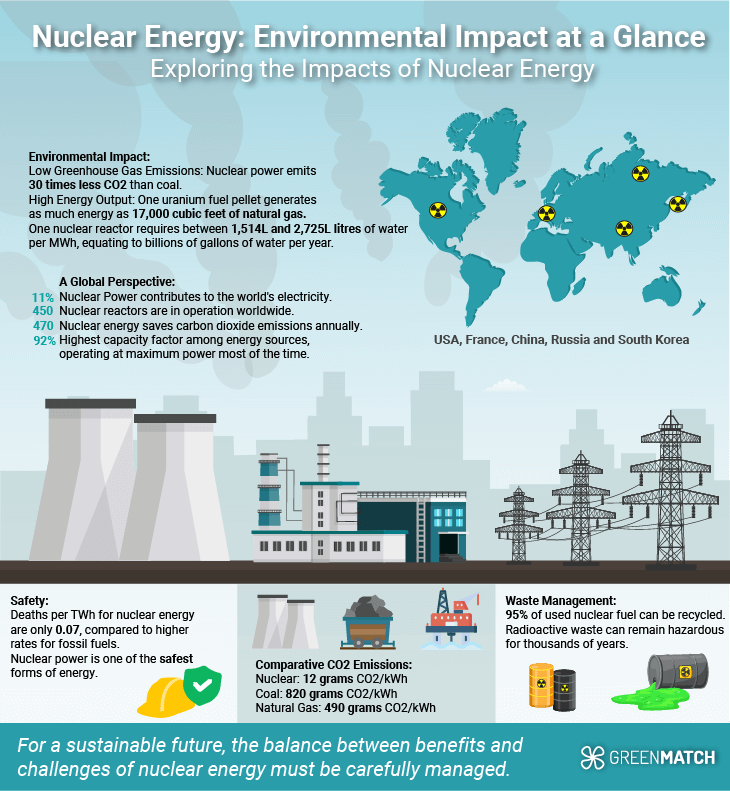
Okay, let's talk nuclear energy. It’s often touted as this super-clean alternative to fossil fuels. But hold on to your hats, because while it doesn't pump out greenhouse gases like a grumpy dragon, it's not exactly a walk in the park for our planet either.
Radioactive Waste: The Elephant in the Room
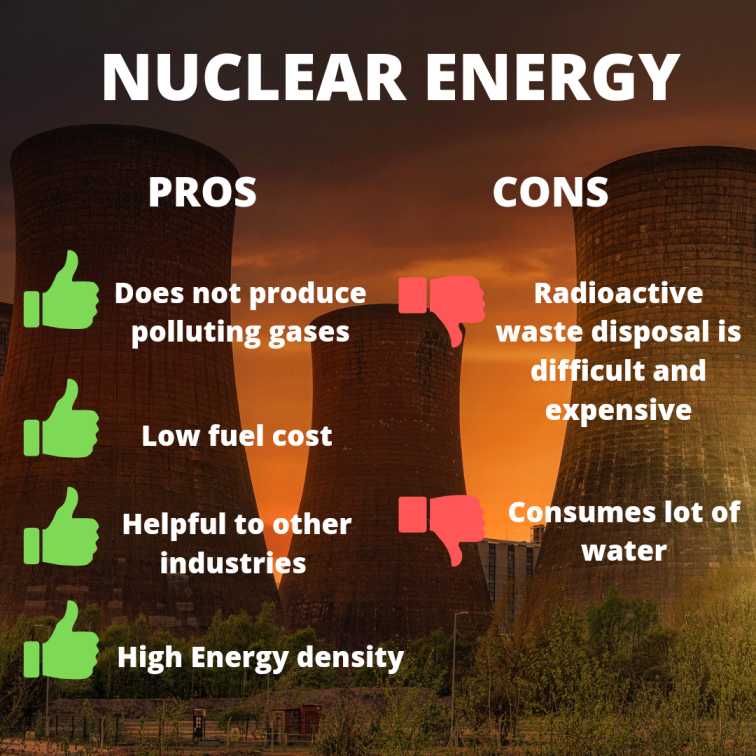
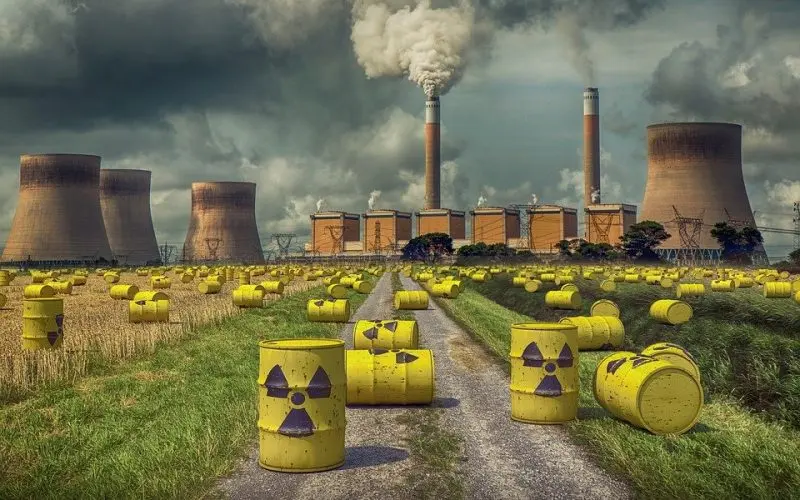
Let's get straight to the point: the biggest environmental headache with nuclear power is radioactive waste. Imagine having a trash can that stays dangerously hot (radioactively speaking, of course!) for thousands of years.
Yeah, that's pretty much what we're dealing with. We're talking about materials that can stay hazardous for, well, longer than your great-great-great-great-grandchildren will be around. It is stored in special facilities and carefully monitored by experts.
Must Read
Where Does This Waste Go?
So, where do we stick this stuff? Currently, a lot of it is stored on-site at the nuclear power plants themselves. Think of it as keeping a really cranky houseguest in the spare room...for millennia.
Some waste is stored in deep geological repositories, basically really, really deep holes in the ground. The idea is to bury it and hope it stays put.
The problem? Earthquakes happen. Water seeps in. Things shift. It’s like trusting a toddler with a priceless vase – risky!
The "Not in My Backyard" Problem (NIMBY)
And guess what? Nobody wants a nuclear waste dump in their backyard. I mean, would you? Even if you are an expert, you might be concerned living close to it.
This leads to all sorts of political wrangling and delays, making it even harder to find safe, long-term solutions. This issue makes it super tough to decide where to put the waste.
Mining for Uranium: Digging Up Trouble
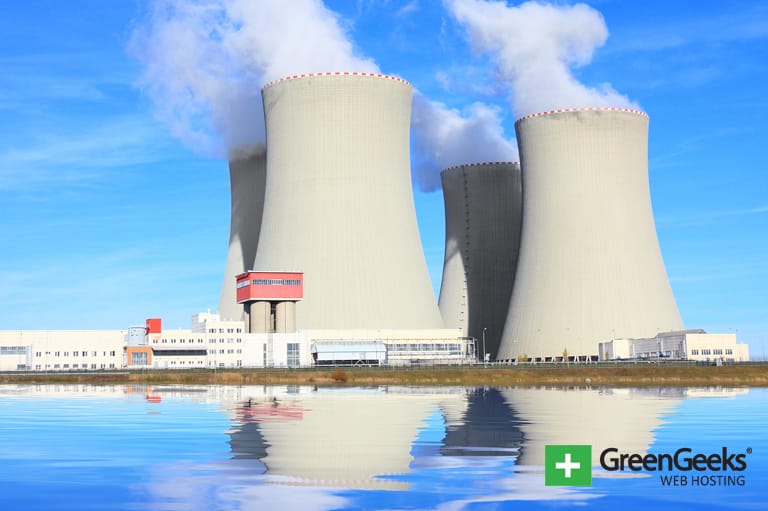
Nuclear power plants don't just magically run on pixie dust; they need uranium! And to get uranium, we have to...you guessed it...mine it.
Uranium mining can be a pretty messy business. It involves digging up huge chunks of earth, which can release harmful substances into the air and water. Also, think of the noise!
The process can also disturb ecosystems and displace communities, especially indigenous populations who often live near uranium deposits. It is a complicated topic for sure.
Accidents Happen: When Things Go Boom (Figuratively and Sometimes Literally)
Let's be honest, nuclear power has a bit of a PR problem thanks to, well, accidents. We're talking about Chernobyl and Fukushima, disasters that made headlines and left a lasting impact.
These were extreme cases, of course, but they highlight the potential for things to go horribly wrong. And when they do, the consequences can be devastating.
Think about it: evacuating entire cities, contaminating vast areas, and causing long-term health problems. It is a very serious matter, and a lot of attention has been paid to safety.
Not All Doom and Gloom: Safety Improvements
Now, before you swear off electricity forever, it's important to note that the nuclear industry has learned a lot from these accidents. New reactor designs are much safer, with multiple layers of protection.
The safety protocols and regulations are constantly being updated and improved. But, there’s always a risk.
And let’s be real, no technology is 100% foolproof. Remember that time your "smart" toaster set your bread on fire? Well, the same principle applies.
Thermal Pollution: Warming Up Our Waterways
Nuclear power plants need a lot of water to cool down their reactors. This water is often drawn from nearby rivers or lakes.
After it's been used for cooling, the water is often returned to its source, but it's warmer than it was before. This is called thermal pollution.
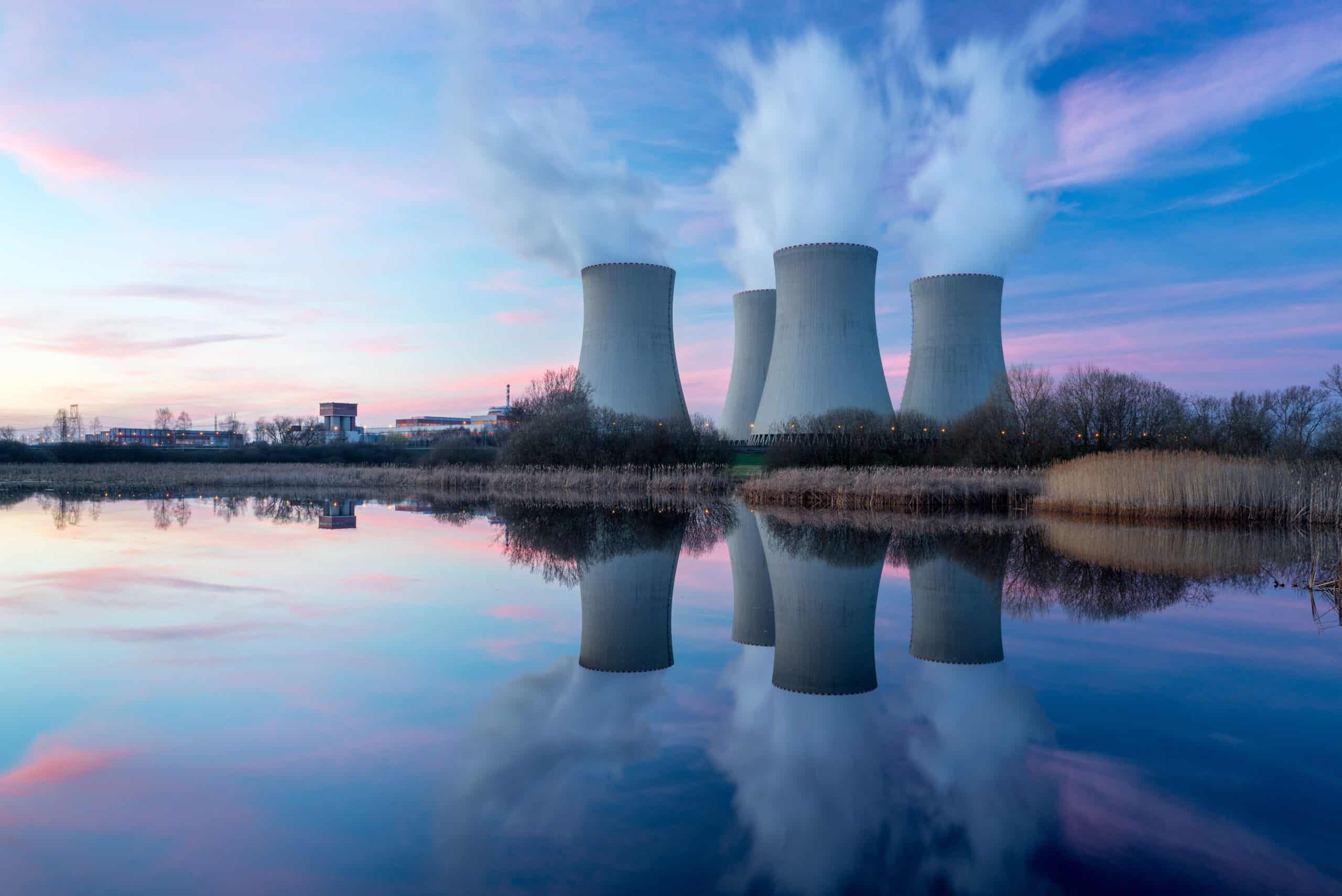
Warmer water can harm aquatic life. Fish and other organisms are sensitive to temperature changes. A slight increase in water temperature can cause them to migrate, or even die.
The Cost of Decommissioning: Saying Goodbye is Expensive
Eventually, all nuclear power plants reach the end of their lifespan. Then what? They have to be decommissioned, which is a fancy way of saying "taken apart and cleaned up."
Decommissioning is a complex and expensive process. It involves dismantling the reactor, removing radioactive materials, and restoring the site to a safe condition.
It can take many years and cost billions of dollars. And guess who usually foots the bill? You guessed it: the taxpayers.
Alternative Solutions: Are There Better Options?
So, is nuclear energy all bad? Not necessarily. It does offer a low-carbon alternative to fossil fuels. However, its environmental drawbacks are undeniable.
We should be exploring other renewable energy sources, like solar, wind, and geothermal. They don't produce radioactive waste, and they're becoming increasingly affordable.
Maybe, just maybe, one day we'll be able to power the world with sunshine and breezes. Now that's an exciting thought, right?
A Balanced Perspective: Weighing the Pros and Cons
Look, energy is a complex issue. There’s no silver bullet solution that will solve all our problems. Nuclear power is part of a bigger picture.
We need to consider all the factors, including environmental impacts, economic costs, and energy security. It's a balancing act.
It's up to us to make informed decisions about how we power our world. And that starts with understanding the good, the bad, and the radioactive of nuclear energy.