
How Is Energy Used In A Cell
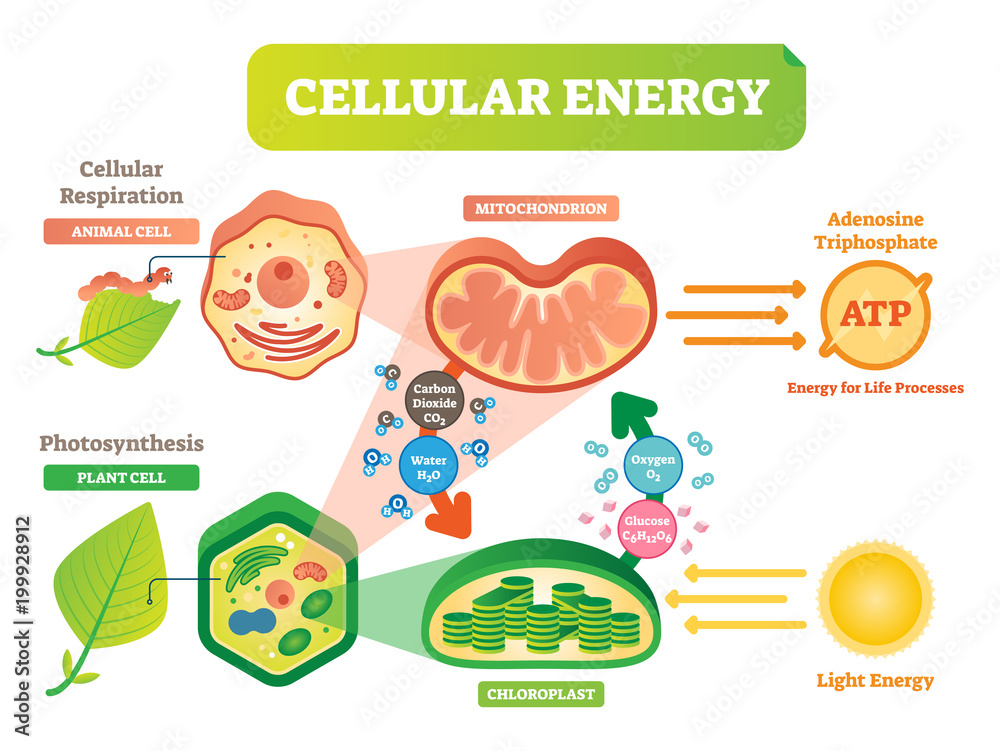
Hey there, energy enthusiast! Ever wonder what your cells are up to all day? I mean, besides just, you know, existing? Turns out, those microscopic maestros are absolute bundles of energy, constantly buzzing with activity. Think of each cell like a tiny, bustling city – and just like any good city, it needs a LOT of power to keep things running smoothly. So, grab a metaphorical snack, because we’re about to dive into how your cells are basically tiny energy wizards!
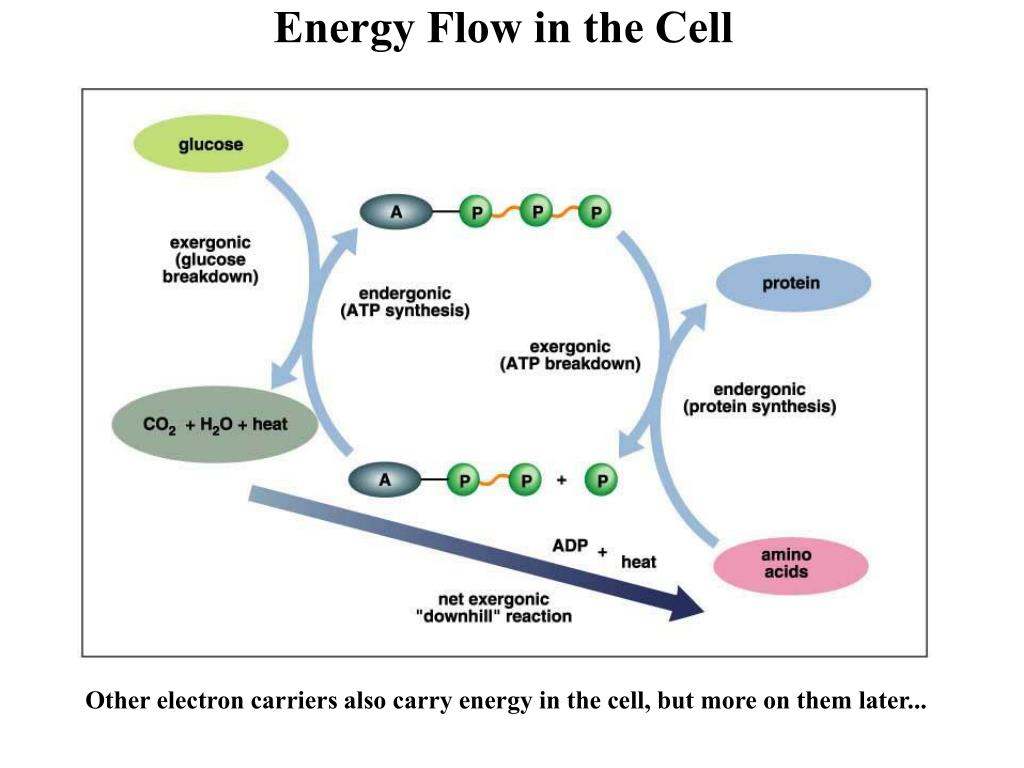
First things first, every single thing your cells do requires energy. From the mundane to the magnificent, it all takes a little oomph. But what kind of energy are we talking about? Well, cells don't exactly plug into a wall socket (imagine the tiny extension cords!). Instead, they have their very own special currency, a super cool molecule called ATP, short for Adenosine Triphosphate. Think of ATP as the cell's crisp hundred-dollar bill, universally accepted for all its cellular needs. It’s not bitcoin, but it’s definitely the gold standard in the microscopic world!
Moving and Shaking: The Cell's Dance Moves
You know how you need energy to get up and dance (or just get up, period)? Your cells are no different! ATP is absolutely crucial for all kinds of cellular movement. We're talking about:
Must Read
- Muscle Contraction: Every time you flex a bicep, wiggle a toe, or even just blink, your muscle cells are basically performing a tiny ballet, fueled by ATP. Proteins called actin and myosin are doing a little energetic cha-cha, pulling past each other to make things happen. It's like a microscopic gym workout, all day long!
- Intracellular Transport: Ever seen those time-lapse videos of things zipping around inside a cell? That's not magic! Tiny motor proteins act like little FedEx delivery trucks, trudging along cellular highways (microtubules) carrying cargo from one place to another. And guess what powers their mini engines? You guessed it – ATP!
- Cilia and Flagella: Some cells have tiny hair-like structures (cilia) or whip-like tails (flagella) that help them move around or sweep substances past them. Think of them as miniature oars or propellers, paddling their way through the cellular ocean, thanks to an ATP power boost.
The VIP Section: Transport Across Membranes
Cells are very particular about what comes in and what goes out. They have fancy membranes acting like bouncers at an exclusive club, making sure only the right molecules get through. But sometimes, molecules need to be pushed against their natural flow, like trying to swim upstream. This is called active transport, and it's another big spender of ATP.
The most famous example? The sodium-potassium pump. This cellular superhero constantly shoves sodium ions out of the cell and pulls potassium ions in, maintaining a crucial balance. It's an energy hog, using up a significant chunk of your cell's ATP just to keep things properly regulated. Without it, your nerve impulses wouldn't fire, and your muscles wouldn't contract. Basically, you'd be a floppy potato. So, yay ATP for keeping us upright!
Building Blocks and Masterpieces: Synthesis
Cells aren't just movers and shakers; they're also master builders! They're constantly creating new proteins, copying DNA, making RNA, and constructing complex sugars and fats. These are all anabolic processes, meaning they build larger, more complex molecules from smaller ones. And building stuff, as any LEGO enthusiast knows, takes effort.
Imagine building a giant, intricate LEGO castle from scratch. You need energy to snap those bricks together, right? Same for cells. When a ribosome is churning out a new protein (the cell's version of a tiny factory), or enzymes are meticulously stitching together a new strand of DNA, ATP is the fuel. It provides the energy to form those chemical bonds, ensuring everything is perfectly constructed. Without ATP, your cells would just be a pile of unorganized molecular bricks, which sounds a bit messy.

Whispers and Shouts: Cellular Communication
Cells aren't isolated islands; they're constantly chatting with each other and responding to their environment. This intricate communication network often relies on ATP. For instance, processes like signal transduction often involve enzymes called kinases, which use ATP to add phosphate groups to other proteins. This "phosphorylation" acts like a molecular switch, turning proteins on or off, triggering a cascade of events that allows the cell to respond to a message.
Think of it like texting your friend: you type a message (signal), your phone uses energy to send it, and their phone uses energy to receive and display it. ATP ensures these vital messages are sent and received loud and clear within and between cells. No dropped calls here!
The Warm Hug: Heat Production
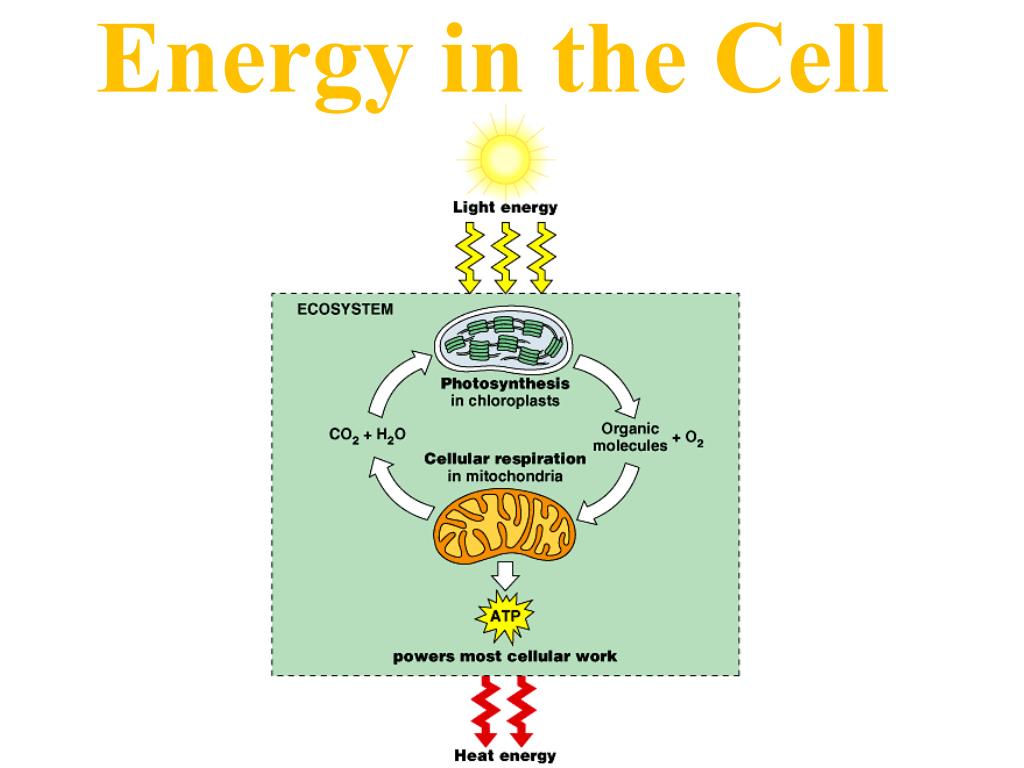
While most of ATP's energy is channeled into useful work, some of it inevitably dissipates as heat. This might sound like a waste, but sometimes it's actually super useful! For example, in certain specialized cells (like those in brown adipose tissue), the cell's energy machinery can be deliberately uncoupled, generating heat to keep us warm. It’s like turning up the tiny internal thermostat!
The Grand Finale: An Energetic Life!
So, there you have it! From giving your muscles the oomph to lift a teacup, to meticulously building new molecules, to keeping your internal chemistry perfectly balanced, ATP is the unsung hero powering virtually every single function in every single cell in your body. Your cells are constantly performing these amazing feats, regenerating ATP from the food you eat, keeping the energy cycle flowing.
It's pretty mind-boggling, isn't it? The sheer ingenuity and efficiency packed into something so tiny is truly awe-inspiring. So the next time you feel a burst of energy, remember that it all starts with those tireless, ATP-spending cellular superstars working their magic. You're not just a person; you're a walking, talking, thinking, dancing marvel of biological energy. And that, my friend, is something truly worth smiling about!
