How Is Carbon Added To Steel

Ever stopped to think about the incredible material that surrounds us every day? From the cars we drive to the towering skyscrapers that touch the sky, steel is absolutely everywhere. But here's a fun secret: what makes steel so incredibly strong, versatile, and essential isn't just iron. It's a tiny, crucial ingredient you might know from pencils or diamonds – carbon! Understanding how carbon is added to steel is like peeking behind the curtain of modern engineering, revealing the clever science that makes our world work.
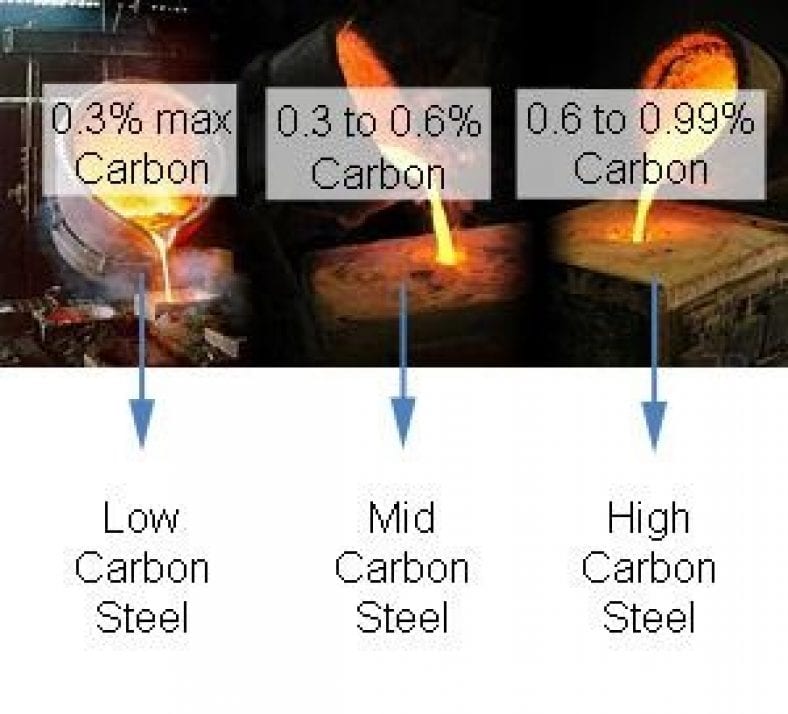
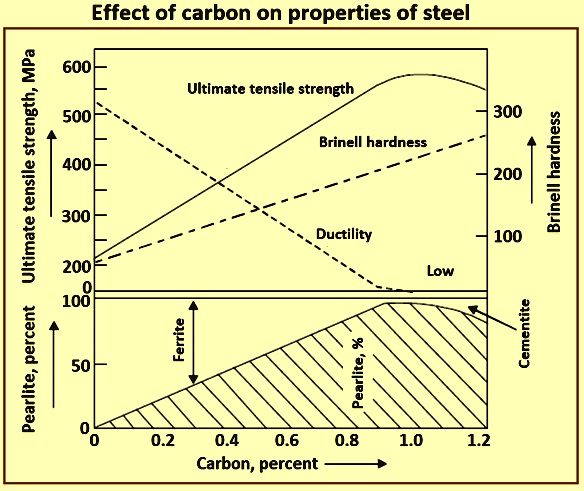
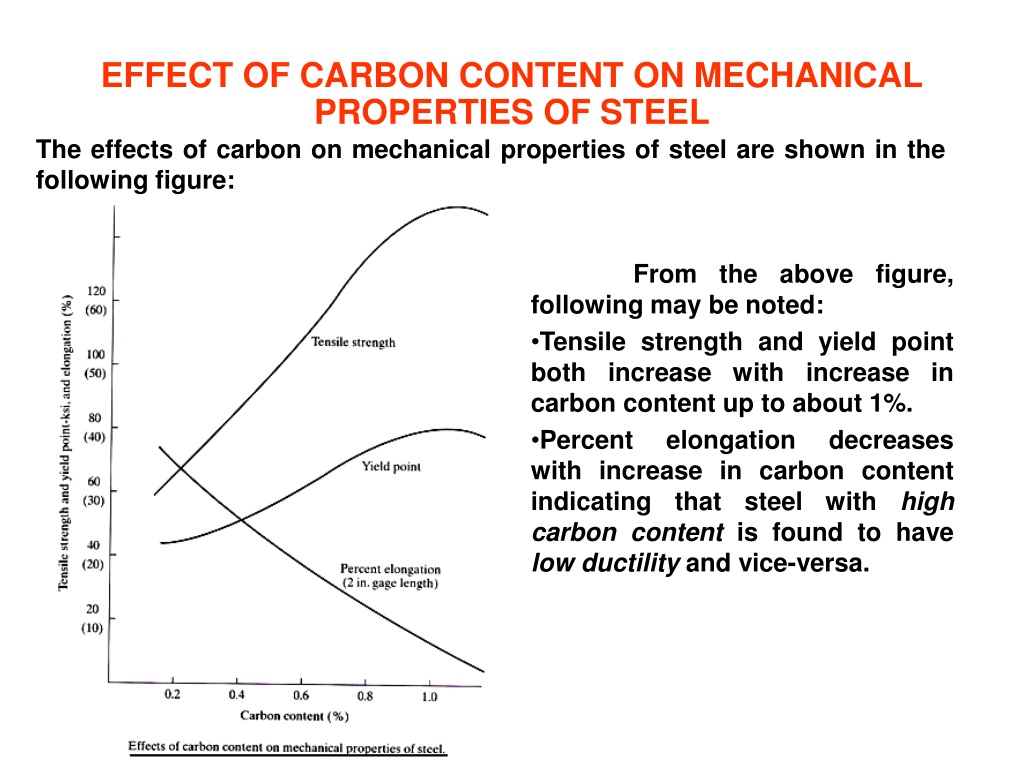
So, why bother adding carbon to iron in the first place? Picture pure iron: it's actually quite soft and ductile, easily bent and deformed. Not exactly what you want for a bridge or a sharp knife, right? This is where carbon steps in as the ultimate game-changer. By carefully controlling the amount of carbon, metallurgists can transform plain old iron into an astonishing array of steels, each with unique properties. Carbon works its magic by creating strong bonds within the iron's crystal structure, significantly increasing its hardness, strength, and durability. It makes steel tough enough to withstand immense pressure, sharp enough to cut through other materials, and resilient enough to last for decades.
The journey of adding carbon to steel begins long before steel is even steel! Most steel production starts with iron ore, which is smelted in a massive blast furnace. Here, iron ore, along with limestone and a carbon-rich fuel like coke, is heated to extreme temperatures. The coke acts as a reducing agent, pulling oxygen away from the iron ore, and also introduces a significant amount of carbon into the molten iron. This initial product, known as pig iron, is actually quite rich in carbon (around 3-4.5%) – so rich, in fact, that it’s brittle and not yet useful as steel.
Must Read
The real art of steelmaking, and precise carbon control, happens next. The goal is to reduce and fine-tune the carbon content. One common method is in a Basic Oxygen Furnace (BOF). Molten pig iron is transferred into this giant, pear-shaped vessel. Then, a lance blows pure oxygen at supersonic speeds onto the molten metal. This oxygen reacts vigorously with the excess carbon (and other impurities like silicon and manganese), effectively burning them off as gases. By carefully monitoring the process, engineers can stop the oxygen blow precisely when the desired carbon level for a specific type of steel is reached.
Another major player is the Electric Arc Furnace (EAF). This method often uses recycled scrap steel as its primary raw material. Large graphite electrodes create powerful electric arcs that melt the scrap. In an EAF, carbon can be both removed (by blowing oxygen) or, crucially, added back in if needed. This addition typically happens by introducing carbon-rich materials like coke or powdered graphite into the molten bath. This allows for incredible precision, enabling the production of everything from low-carbon, highly formable steels to high-carbon, super-hard tool steels. It's all about balancing that carbon content to create the perfect material for the job.
So, the next time you see a bridge, a utensil, or even a paperclip, remember the humble element of carbon. It’s the unsung hero, meticulously controlled, that transforms raw iron into the backbone of our modern world. It's a small element with a truly mighty impact!