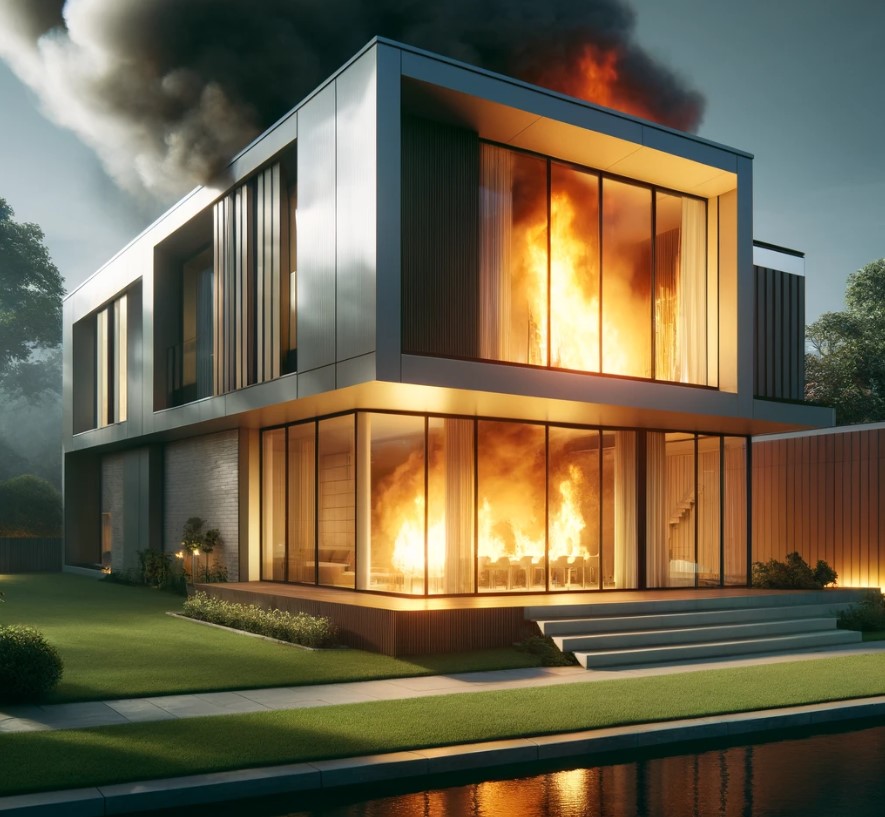
How Hot Do House Fires Get
Ever thought about how hot your oven gets when you're baking a batch of cookies? Maybe a cozy 350°F, right? Or how about that super-hot summer day when the asphalt is practically shimmering? Toasty! Well, buckle up, because when it comes to a house fire, we're not just talking "toasty." We're talking scorching, mind-boggling, melt-your-heart-and-everything-else-in-the-room hot. It's a whole different ballgame, and honestly, it makes that summer heat wave feel like a cool breeze.
So, how hot do house fires really get? Let's dive in, not with scary stats, but with a few relatable "whoa!" moments that might just make you appreciate your smoke detector a little more.
From Spark to Inferno: It's Faster Than You Think
You might picture a fire starting small, like a single candle flickering or a forgotten pan smoking gently on the stove. And sure, that's often how it begins. But here's the kicker: that little flame doesn't stay little for long. Modern homes, packed with synthetic materials like plastics in furniture, electronics, and even carpets, are like a fast-food buffet for fire. These materials don't just burn; they ignite quickly and release a tremendous amount of heat, creating a domino effect that's truly astonishing.
Must Read
Imagine your comfy living room. All that fabric on your sofa, the synthetic carpet, the curtains – they’re all fuel. In what feels like a blink of an eye, or maybe about as long as it takes to find your keys, a small flame can escalate rapidly. We're talking minutes, not hours. It's like turning a tiny campfire into a raging bonfire in the time it takes to brew a cup of coffee. Seriously.
Flashover: The Real "Wow" Moment
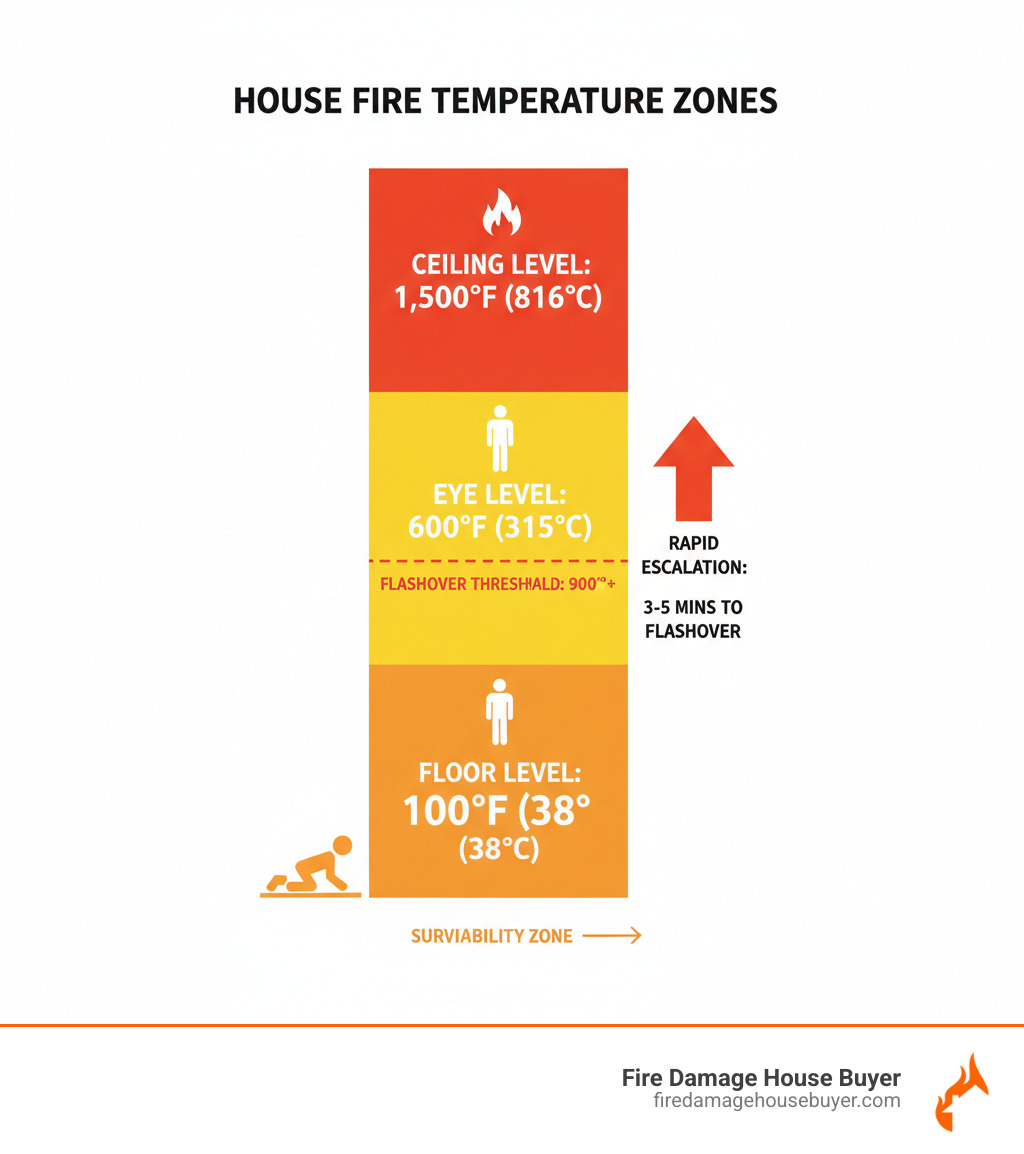
This is where things get really intense. There's a phenomenon in firefighting called flashover, and it's basically the point where everything in a room ignites simultaneously. Picture this: a fire starts in one corner, maybe a recliner. The heat builds up, radiating off the ceiling and walls. All the other combustibles in the room – the curtains, the TV, the bookshelf, even the wooden trim – start to "off-gas," releasing flammable vapors. When the room reaches a critical temperature, usually around 1,100°F (about 593°C), those vapors ignite all at once. Boom!

Suddenly, the entire room is engulfed in flames. It's not just the sofa burning anymore; it's everything. It’s like someone hit the "supercharge" button on the entire room. Think about how easily aluminum foil melts in a hot oven. Well, house fires can reach temperatures of 1,100°F to 1,800°F (600°C to 1,000°C) or even higher! That's hot enough to melt aluminum pots and pans, warp steel beams, and turn glass into a gooey mess. Your oven? A mere picnic compared to this inferno. It’s less "cozy fireplace" and more "volcanic eruption indoors."
Why Should You Care About These Fiery Facts?
Okay, so it gets ridiculously hot. But why should you, an everyday reader just trying to enjoy your coffee, care about this fiery trivia? Well, beyond the sheer impressive (and terrifying) science of it all, understanding just how hot and fast a fire gets is key to keeping yourself and your loved ones safe. And we can do that without getting all preachy or scary, promise!

1. It's About Speed, Not Slowness
Movies often show fires as slow, dramatic events, giving heroes plenty of time to save the day. In real life, you have minutes, sometimes even seconds, to escape a home fire before conditions become unsurvivable. That fast flashover means the escape window is tiny. Knowing this isn't to scare you, but to highlight why those smoke detectors chirping are your best friends and why an escape plan isn't just for school fire drills.
2. Beyond the Flames: The Damage is Immense
It's not just the stuff that burns away. The extreme heat causes incredible structural damage. Metal supports can warp and twist like pretzels, plumbing pipes can melt, and the very bones of your house can be weakened beyond repair. Imagine trying to build a Jenga tower with wobbly, charred blocks. Your home, your sanctuary, can be reduced to rubble, not just a little smoke-damaged. It’s a complete transformation, and not the good kind you see on home improvement shows.

3. Smoke and Toxic Gases: The Silent Killers
Here's a fun fact nobody asked for: the heat isn't the only problem. The vast majority of fire deaths are not from burns, but from smoke inhalation and toxic gases. Remember all those modern synthetic materials we talked about? When they burn, they release a cocktail of invisible, odorless, and highly poisonous gases. It’s not just "smoky"; it’s a suffocating, disorienting cloud that fills your lungs and quickly renders you unconscious. You might not even smell it until it's too late. That's why getting out fast is paramount.
4. Protecting What Matters Most
Beyond the bricks and mortar, our homes hold our lives – our memories, our cherished photos, our grandma's antique clock, our pet's favorite squeaky toy. While insurance can replace "stuff," it can't replace the irreplaceable. Understanding the intensity of a fire helps us take preventative steps to protect those precious things and, more importantly, the precious people (and pets!) we share our lives with.
So, the next time you hear about a house fire, or even just consider unplugging that old toaster, remember those crazy temperatures. House fires aren't just "hot"; they're an incredibly powerful, destructive force that demands our respect and, more importantly, our preparedness. A little awareness, a working smoke detector, and a quick escape plan can make all the difference in keeping you and yours safe. Stay safe out there, folks!