
How High Should A Carbon Monoxide Detector Be Mounted

Hey there, friend! Grab a mug, settle in. We need to chat about something kinda serious, but we’re gonna keep it light, okay? We’re talking about those little lifesavers, your carbon monoxide detectors. Specifically, where on earth do you mount them?
It’s one of those questions that pops up, right? Like, does CO float up to the ceiling like a lost helium balloon? Or does it sink down to the floor like a tiny, invisible submarine? Everyone’s got an opinion, or at least a confused shrug. But fear not, your coffee companion is here to spill the beans (and hopefully not CO).
The Big Myth: Up High or Down Low?
So, let's tackle the elephant in the room. Or rather, the invisible gas in the room. A lot of people have this idea that carbon monoxide (CO) is either super light or super heavy. You’ve probably heard it – "Oh, it's lighter than air, put it high!" or "No, no, it's heavy, mount it low!"
Must Read
And honestly, it's an easy mistake to make! We're used to things like smoke rising (hello, smoke detectors on the ceiling!) or maybe propane sinking (if you’ve ever had a leak from a tank). So, applying that logic to CO feels… natural. But here’s the kicker, folks:
Carbon monoxide doesn't really play favorites with gravity.

Shocking, right? It’s not a helium balloon trying to escape to space, nor is it a lead weight plummeting to the floor. CO actually has a density that’s remarkably similar to air. Think about it. It’s basically just one oxygen atom less than CO2, which we breathe out constantly. So, when it enters a room, it pretty much… mixes.
Yup, it just disperses throughout the air in your home. Like sugar dissolving in your coffee. (See? Everything comes back to coffee.) It doesn't neatly stratify into layers. So, the idea of finding that one "sweet spot" for mounting it, thinking CO will magically gather there, is kinda moot.
So, What's the Real Deal?
Since it mixes, that means it doesn't matter if it's high or low, right? Well, not exactly. While the gas itself will eventually be everywhere, there are still some practical and sensible places to put your detector.
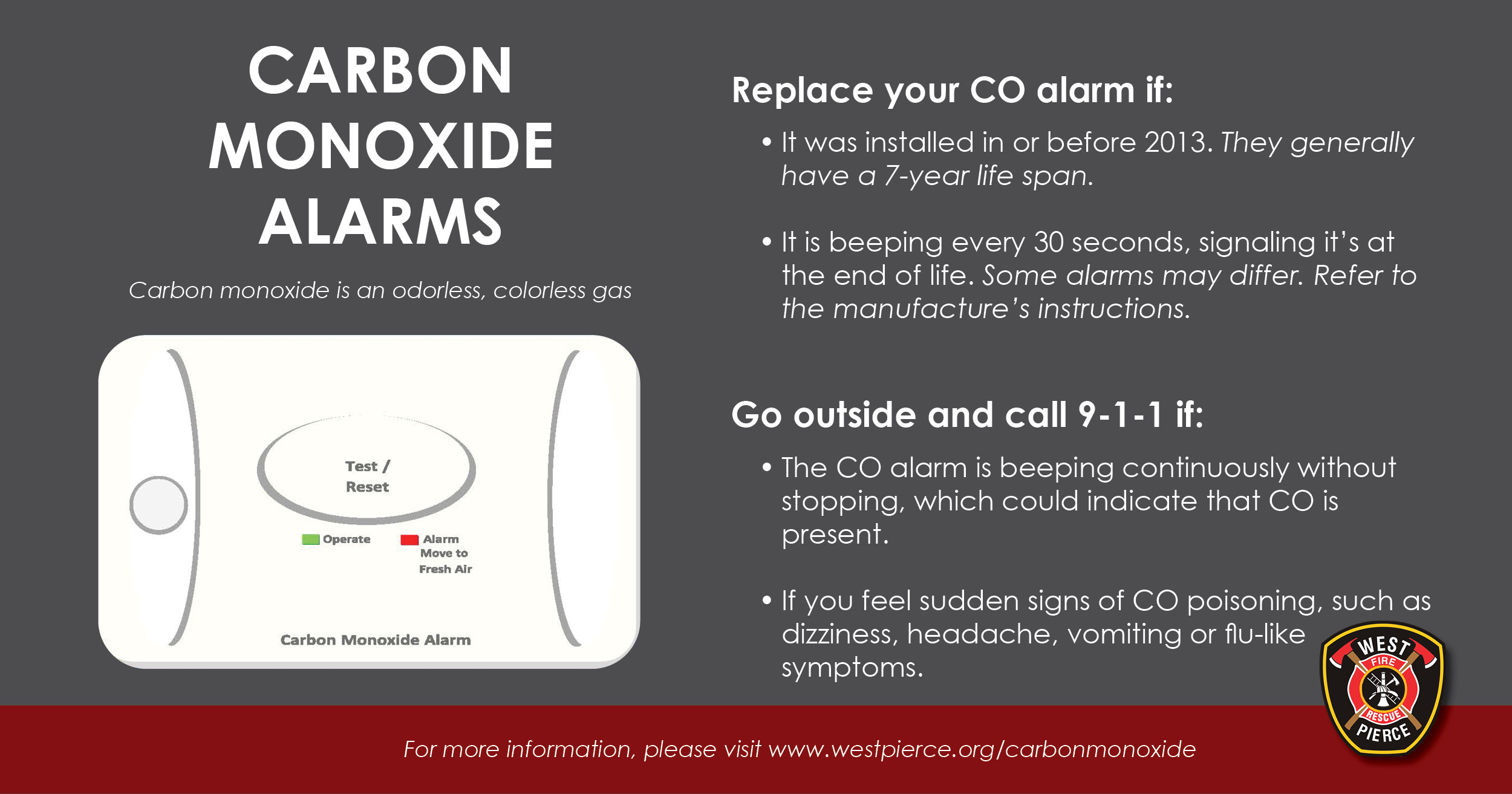
And before we dive into my friendly advice, let me throw this out there with a bold, flashing warning light: Always, always, ALWAYS read the manufacturer’s instructions! Seriously. Those folks who made your specific detector? They know best. They designed and tested it. Their manual is your holy grail for optimal placement. Consider this chat our friendly precursor to actually reading the small print.
The "Sweet Spot" (for Humans, not CO)
Okay, with that caveat out of the way, here’s what most experts and manufacturers will generally suggest, and why it makes perfect sense for us carbon-based lifeforms:

1. Eye Level or Chest Level: The Goldilocks Zone
Many recommend mounting CO detectors at eye level or chest level. Why? Because it’s practical! You can see it, you can hear it, and you can easily reach that all-important test button. No need for a stepladder just to make sure it's working. Plus, if it has a digital display showing CO levels, you want to be able to read it without craning your neck or getting out a magnifying glass, right?
Think of it as having a little sentinel keeping watch. It's not trying to catch CO at its "source" (because CO doesn't have one specific hang-out spot), but rather to detect it in the general breathing zone where you are.
2. Away from Obstacles and Vents
Just like a good friend, your detector needs a little breathing room. Avoid mounting it:
.jpg?format=2500w)
- Right next to a window or door (drafts can mess with readings).
- In direct sunlight (temperature fluctuations can affect the sensor).
- Directly over or near fuel-burning appliances (furnaces, water heaters). Why? Because the initial burst of combustion gases might trigger a false alarm, and we don't want to cry wolf too often. Give it some distance, at least 15 feet.
- Near vents, fans, or other air currents. You want it to sample the ambient air, not just a localized breeze.
- Behind curtains or furniture. Don't make it play hide-and-seek! It needs an unobstructed path to the air around it.
3. Strategic Locations Are Key
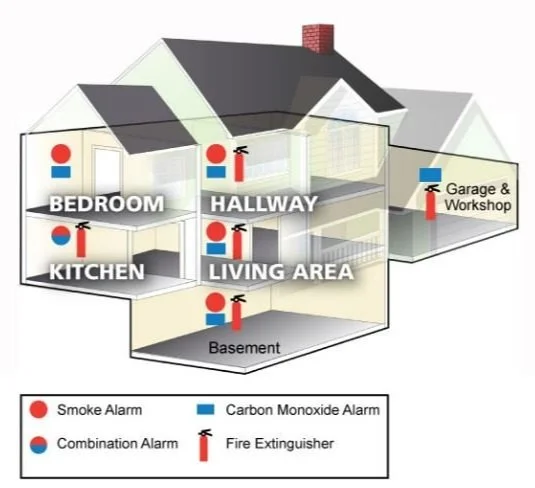
Remember, CO detectors are like smoke detectors in one crucial way: you need them in the right places throughout your home. We're talking:
- On every level of your home. Even if you only have one fuel-burning appliance, CO can travel.
- Near sleeping areas. This is critical. You want to be woken up if there’s a problem while you're asleep and most vulnerable.
- In central hallways.
- And certainly, if you have an attached garage, have one
inside the house near the door leading into the living space. Vehicles left running in garages are notorious CO producers.
So, the takeaway? Don't stress too much about the exact millimeter. The most important thing is that you have them installed, they’re working (test them monthly!), and they’re placed where they can effectively sample the air your family breathes. And, of course, where you can actually see them and hit that test button!
It’s all about peace of mind, isn't it? Now, about that coffee… refill?