How Heavy Is A Mini Fridge
Alright, gather 'round, because we need to talk about something crucial that’s probably caught you off guard. You know the drill: you’re moving into a dorm, or setting up a game corner, and you think, "I need a mini fridge. It's mini, so it'll be light, right?"
Oh, my sweet summer child. I remember helping a friend haul what we thought was a dinky little beverage cooler up three flights of stairs. We were practically skipping, whistling a happy tune, even flexing a bit prematurely, proclaiming, “Easy peasy!” Then we got to the fridge. It sat there, innocent-looking, perhaps a little smug. We each grabbed a side, counted to three, and… SPOILER ALERT: it didn't budge with the carefree ease we'd anticipated.
Our faces, once beaming with optimism, quickly contorted into a grimace that said, "Wait, what's going on here?!" We eventually got it upstairs, but not without a fair amount of grunting, strategic pauses, and questioning our life choices. That day, I learned a valuable lesson: mini does not always mean featherlight. And that, my friends, brings us to the burning question of the hour: How heavy is a mini fridge, really?
Must Read
The Great Mini Fridge Weight Mystery: Unpacked
So, why did that seemingly small appliance feel like it was secretly filled with lead bricks and a black hole generator? There's a whole science (and a bit of engineering magic) behind the heft of these compact coolers. It’s not just one number, you see; it's a spectrum, a sliding scale of solidarity.
Let's dive into what makes these little powerhouses pack a punch on the scales. There are a few key players here, and understanding them helps avoid your own "mini fridge moving" horror story.
Size Matters (Obviously!)
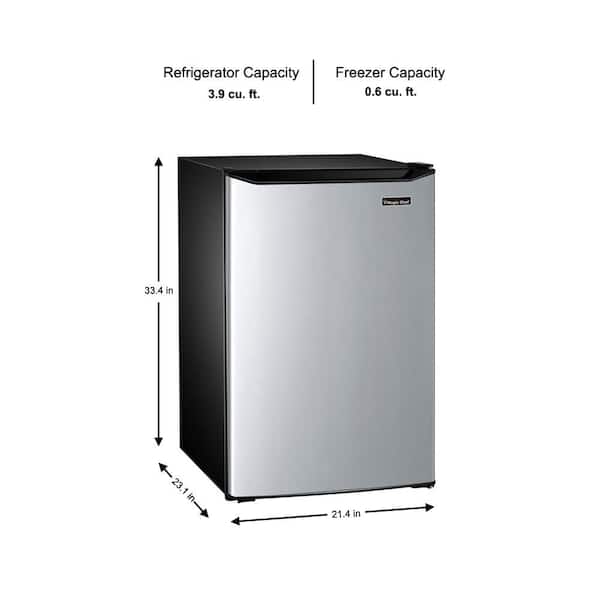
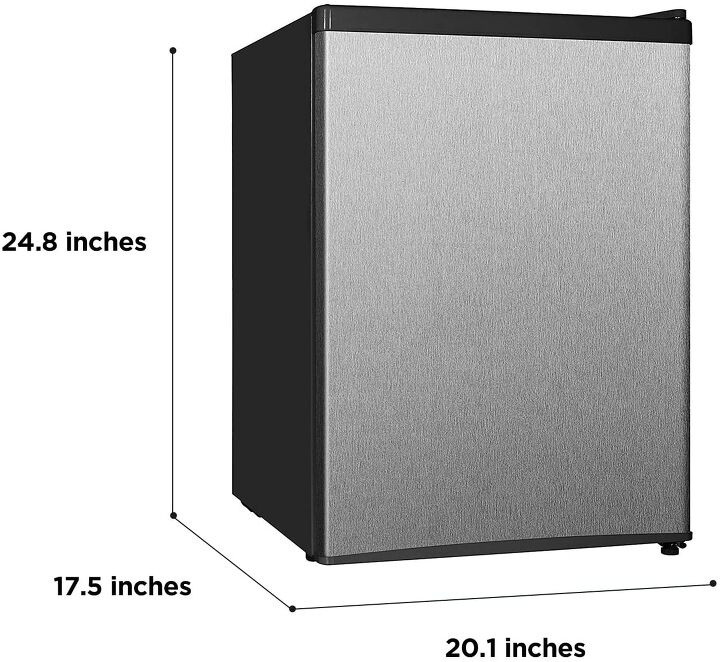
First off, the most straightforward factor is size. While all are "mini," there's a huge range. You've got tiny 1.6 cubic foot personal fridges, basically glorified lunchboxes with a plug. Then there are more substantial 4.5 cubic foot models that look like they could actually hold more than two juice boxes and a block of cheese. Naturally, the bigger it is, the more material it contains, and thus, the heavier it will be. Shocking, right?
Compressor vs. Thermoelectric: The Real Heavyweight Battle
Here’s where it gets interesting, and frankly, where most of the weight lives. Most mini fridges, especially the good ones that actually get things cold, use a compressor system. This is the same technology in your big kitchen refrigerator. Compressors, their coils, refrigerant, and insulation are dense. They’re built to work hard and last.
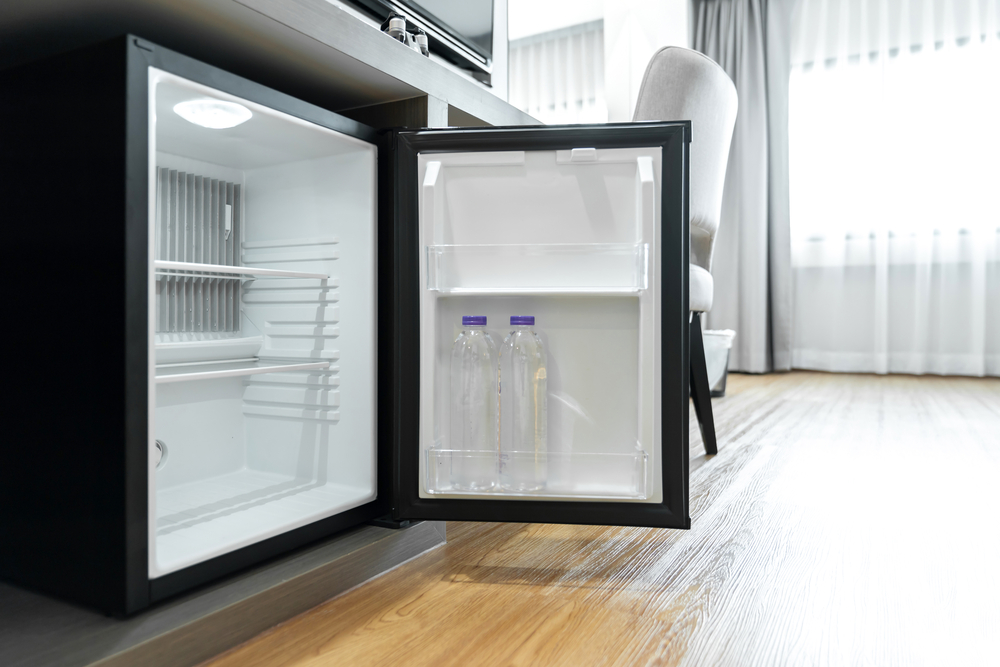
On the flip side, some super compact, often cheaper models might use thermoelectric cooling. These are usually much lighter because they don't have a compressor. They cool using an electric current across junctions of dissimilar materials. Think of those small portable car coolers. They're great for keeping things cool-ish, but typically don't get as frosty as their compressor-driven cousins. If you pick up a mini fridge and it feels suspiciously light, it might be thermoelectric. Just a heads up!
Materials and Features: The Hidden Extras
Beyond the core cooling mechanism, other components contribute to the total weight:
- Insulation: Good insulation is crucial for efficiency, adding bulk and weight.
- Shelving: Glass shelves are heavier than wire racks.
- Door Material: A solid, insulated door is heavier than one with a glass panel (though glass adds weight too).
- Freezer Compartment: A dedicated freezer means more components, thus more weight.
So, What's the Actual Number?
Alright, enough with the suspense! While it varies wildly, here's a general guideline:

- Smallest (1.6-2.0 cu ft): You're often looking at around 20-30 pounds. These are the ones you might be able to lift solo without throwing out your back.
- Mid-range (2.5-3.5 cu ft): This is your classic dorm room warrior. Expect these to be in the 30-50 pound range. Definitely a two-person job if there are stairs involved, trust me.
- Larger (4.0-4.5+ cu ft): These can easily tip the scales at 50-70 pounds or more. Some of the fancy ones with separate freezer doors can even push into the 80+ pound category. At this point, you're almost moving a full-size fridge's robust, shorter cousin.
Remember, these weights are for the empty unit. Loaded with energy drinks and questionable leftovers, you're adding even more to the load! Always empty it before moving, folks!
Why Does Any of This Matter?
It matters because knowing the approximate weight helps you plan! Are you picking it up? Make sure it fits in your car and you have help loading it. Is it going up a tricky staircase? Enlist a friend (or two!) and maybe some moving straps. Don't be like young me, underestimating the quiet power of a seemingly innocent appliance.
The next time you’re eyeing a mini fridge, remember: it’s not just a cute little box. It's a marvel of cooling technology, and sometimes, a formidable adversary for your biceps. So choose wisely, lift safely, and may your beverages always be perfectly chilled!