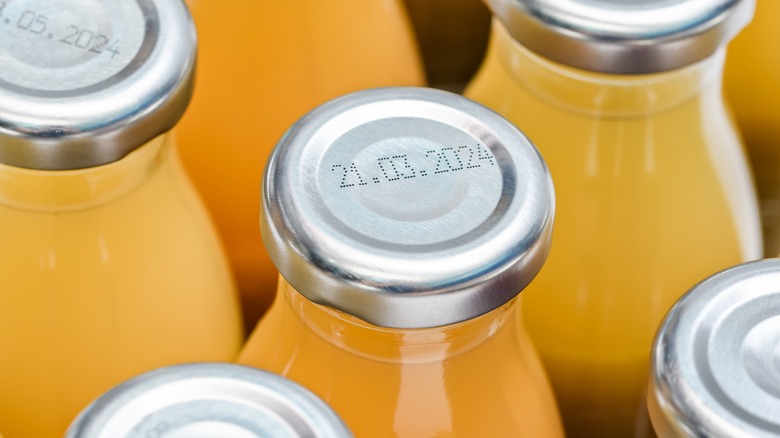
How Good Is Orange Juice After Expiration Date
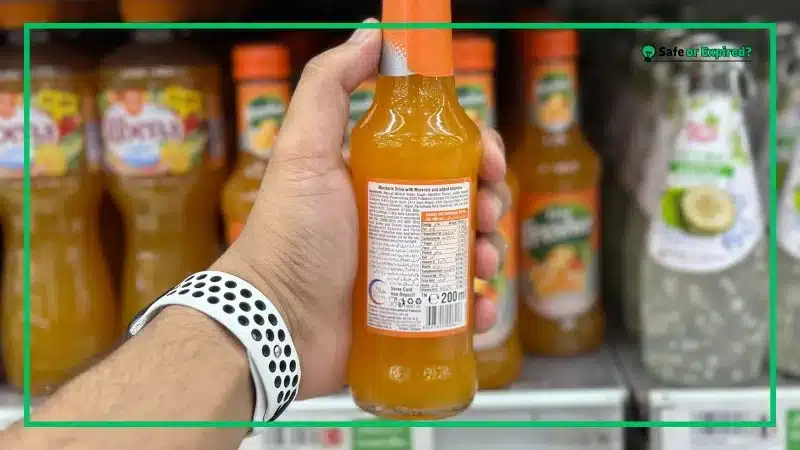
Okay, let's talk about something near and dear to my heart (and probably your refrigerator): orange juice. That bright, tangy elixir of morning champions and afternoon pick-me-ups. But what happens when that looming date printed on the carton sneers at you from the shelf? Is it a one-way ticket to the flavor graveyard, or is there still some sunshine left in that OJ?
I get it. Expiration dates can feel like the ultimate food boss, barking orders and dictating what's fit for human consumption. You see that date and think, "Oh no! The juice police are going to come and confiscate my breakfast!" But hold on to your pulp, folks. Things aren't always as dire as they seem.
Decoding the Date: Best Before vs. Use By
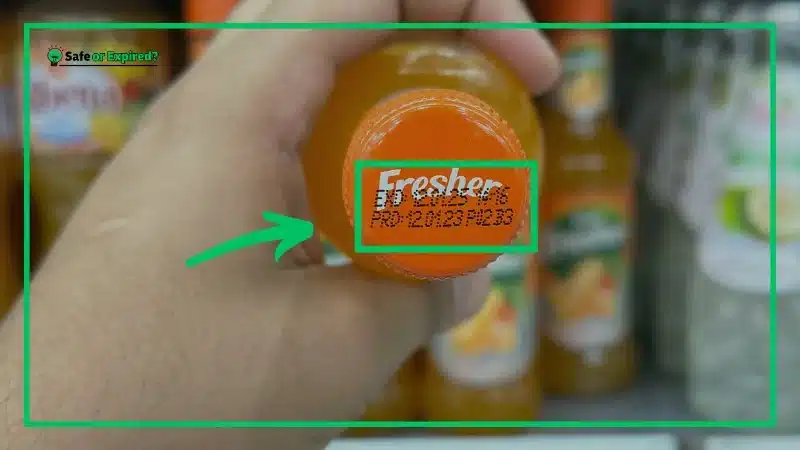
First things first, let's untangle the date code. Most orange juice cartons sport a "best before" date, not a "use by" date. This is a crucial distinction! "Best before" is more like a polite suggestion from the juice manufacturers, a gentle nudge indicating when they believe the quality of the juice – flavor, color, texture – is at its peak. Think of it like a movie recommendation; they think you'll enjoy it most before that date, but you can still watch it later!
Must Read
"Use by" dates, on the other hand, are more serious. They're usually found on highly perishable items like raw meat or fish. These dates are about safety and indicate when the food might become unsafe to eat due to spoilage and bacterial growth. Luckily, orange juice (especially pasteurized versions) falls more firmly into the "best before" category.
So, Can You Drink It After the Date?
Generally, yes! But with a few caveats. Imagine your orange juice is a superhero. Its powers (freshness, zing, vibrant taste) are at their strongest before the "best before" date. After that, those powers might start to fade. It might not be quite as bright, as tangy, or as flavorful, but it's likely still perfectly safe to drink for a little while longer.
Think of it like this: your favorite song still sounds good even if you haven't heard it in a few weeks, right? It's the same with orange juice. It might not be the freshest track on your playlist, but it's still listenable (or drinkable, in this case!).
But here's where our superhero analogy takes a twist. Even superheroes have weaknesses. In the case of orange juice, those weaknesses are oxygen, light, and heat. These elements are the arch-nemeses of freshness, causing the juice to degrade more quickly. So, if you’ve left your OJ carton sitting on the counter in direct sunlight for a week after the date, then maybe it’s time to say goodbye.
The Sniff Test: Your Ultimate Weapon
Forget the date on the carton. Your nose is your best friend in this situation! Trust your senses. Does it smell like fresh, citrusy goodness? Or does it have a slightly sour, almost fermented aroma? If it's the latter, it's probably time to bid farewell to your OJ.
Similarly, pour a small amount into a glass and give it a look-see. Does it look and feel normal? Or does it appear discolored, lumpy, or overly thick? Any of these signs are red flags that your juice has gone bad.
If everything checks out – the smell is right, the appearance is normal – take a small sip. If it tastes off, trust your instincts. It's always better to be safe than sorry.
In short, don't let the "best before" date dictate your life! Use your senses, exercise a little common sense, and you can likely enjoy that extra glass of orange juice without any ill effects. You might even save yourself a trip to the grocery store! Just remember, when in doubt, toss it out. But often, that "expired" orange juice is perfectly fine, just waiting to brighten your day.
"Expiration dates are not deadlines, they are guidelines. A little common sense goes a long way!" - Some Wise Person (Probably)
So go forth, conquer those cartons, and embrace the joy of orange juice! And remember, a little bit of healthy skepticism (and a good sniff test) can save the day!