
How Fast Does Natural Gas Move Through A Pipeline
Okay, so picture this: I'm grilling burgers on a beautiful summer evening. Propane, I know, not natural gas, but close enough for this story. And I'm thinking, as the flames lick at the perfectly seasoned patties, “Where did this gas even COME from? And how did it get here so darn fast?!” I mean, I placed my order last week, and boom, here it is, ready to cook my dinner.
That got me thinking about the whole natural gas infrastructure. It's basically a giant, invisible network powering our homes, businesses, and even, indirectly, our electricity. But have you ever actually stopped to consider how quickly that gas is zipping through those pipelines? Spoiler alert: it's faster than you might think.
So, What's the Speed Limit?
Well, there's no actual speed limit, per se. It's more like… a complicated equation involving pressure, pipe diameter, and the gas's density. Sounds fun, right? (Don't worry, we won't get into the nitty-gritty math). But the short answer? Natural gas can travel anywhere from 15 to 25 miles per hour in transmission pipelines. And sometimes even faster!
Must Read
Think about that for a second. 25 mph. That’s a decent jogging pace! Imagine trying to outrun a molecule of methane. Good luck with that.
Why the Variation?
Okay, so why the range? Why doesn’t it just zoom along at a constant speed? Several factors play a role. The biggest one is pressure. Transmission pipelines, the massive arteries of the gas network, operate at very high pressure (hundreds of PSI!). Higher pressure equals higher flow rates. Think of it like squeezing a garden hose – the harder you squeeze, the faster the water comes out.

Also, the diameter of the pipe makes a difference. Bigger pipes can carry more gas, which translates to a faster overall flow. Think of it like a highway. A wider highway can handle more traffic moving at higher speeds.
Finally, the composition of the natural gas itself can have a slight impact. Natural gas isn't just pure methane (CH4). It can contain other hydrocarbons and gases, which can affect its density and flow characteristics. But this is usually a minor factor compared to pressure and pipe diameter.
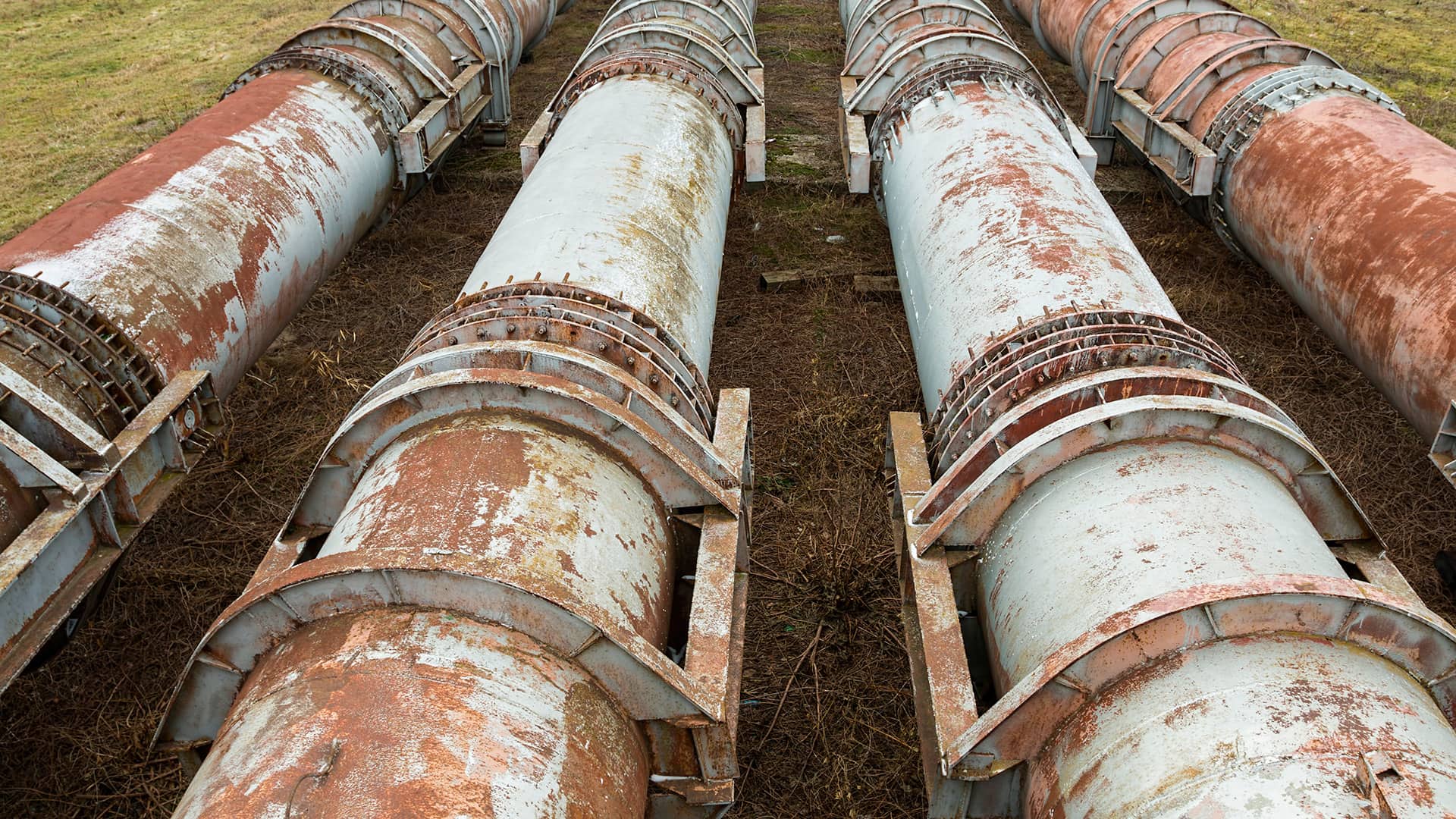
Side note: Pipeline companies are constantly monitoring pressure and flow rates to ensure efficient and safe operation. Pretty cool, huh?
Transmission vs. Distribution
It's important to distinguish between transmission and distribution pipelines. Transmission pipelines are the big guys, carrying gas over long distances from production areas to cities and towns. These operate at high pressure and are where you see those speeds of 15-25 mph (or even higher).
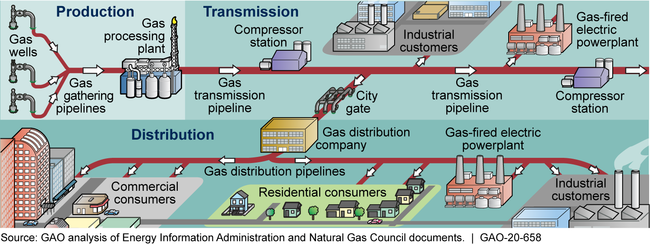
Distribution pipelines, on the other hand, are the smaller pipes that deliver gas directly to homes and businesses. These operate at much lower pressures, so the gas flows much slower. Think of it like the smaller streets branching off the highway. They're not designed for high-speed travel.
So, What Does It All Mean?
Well, for one, it means that the natural gas powering your furnace, water heater, or even your stove is being delivered to you relatively quickly. It's a testament to the efficiency of our natural gas infrastructure.
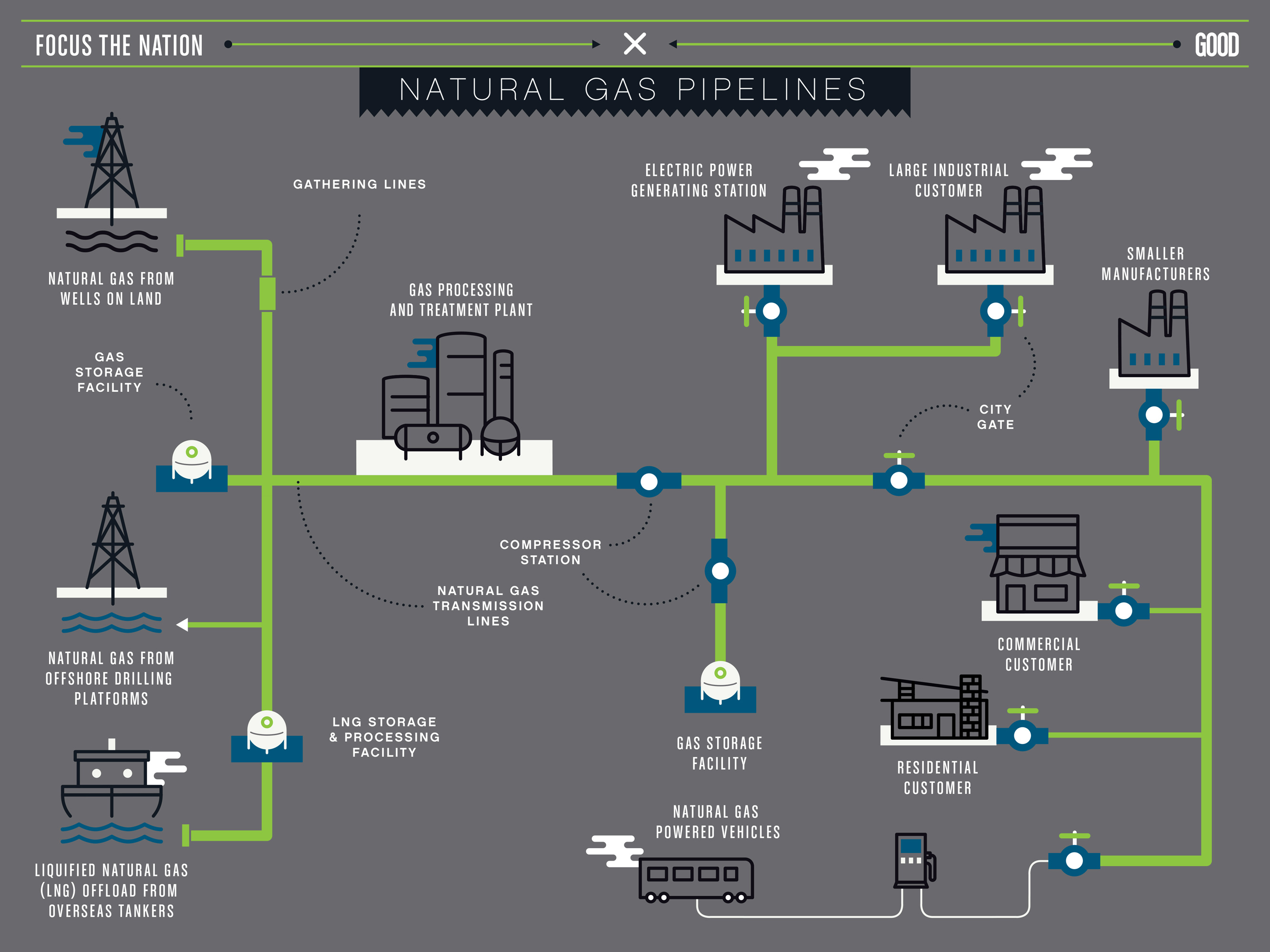
![[Infographic: How Do Natural Gas Pipelines Work?] http://www.good.is](https://i.pinimg.com/736x/dd/20/73/dd207397a81a6d35e6fe7daf18a40992--gas-pipeline-infographics.jpg)
But more importantly, it highlights the importance of safety and maintenance. Because we are dealing with a flammable substance traveling at significant speeds under high pressure, any leaks or malfunctions can have serious consequences.
So, the next time you flip on your gas stove or turn up the heat, take a moment to appreciate the complex network that makes it all possible. And remember, that gas is zipping along faster than you can run! Just try not to think about it too much when you're grilling those burgers. You might get paranoid.
And one final thought: next time you're stuck in traffic, just imagine all those molecules of natural gas whizzing past you underground. It might just ease your road rage a little.