How Far Apart Are Cornhole Boards Supposed To Be
Ever watched people playing cornhole and thought, "That looks fun!" but then wondered about the rules? Or perhaps you've been invited to a backyard barbecue and want to impress your friends with your cornhole prowess? One of the most fundamental aspects of the game, and often overlooked, is the distance between the boards. Knowing this simple rule can make all the difference between a casual toss and a seriously competitive match. It's not just about following regulations; it's about enhancing the enjoyment and fairness of the game for everyone involved.
So, why does the distance matter? Well, think about it: if the boards are too close, it's essentially a guaranteed point every time, removing the challenge and strategy. Too far, and it becomes an exhausting throwing marathon, diminishing the fun for less athletic players. The standard distance is designed to strike a balance. It allows for a blend of skill, a touch of luck, and a decent workout (depending on how enthusiastic you get!). It ensures that the game remains engaging and accessible to a wide range of ages and skill levels. Understanding the official distance helps maintain the integrity of the game, preventing any unintentional (or intentional!) advantages.
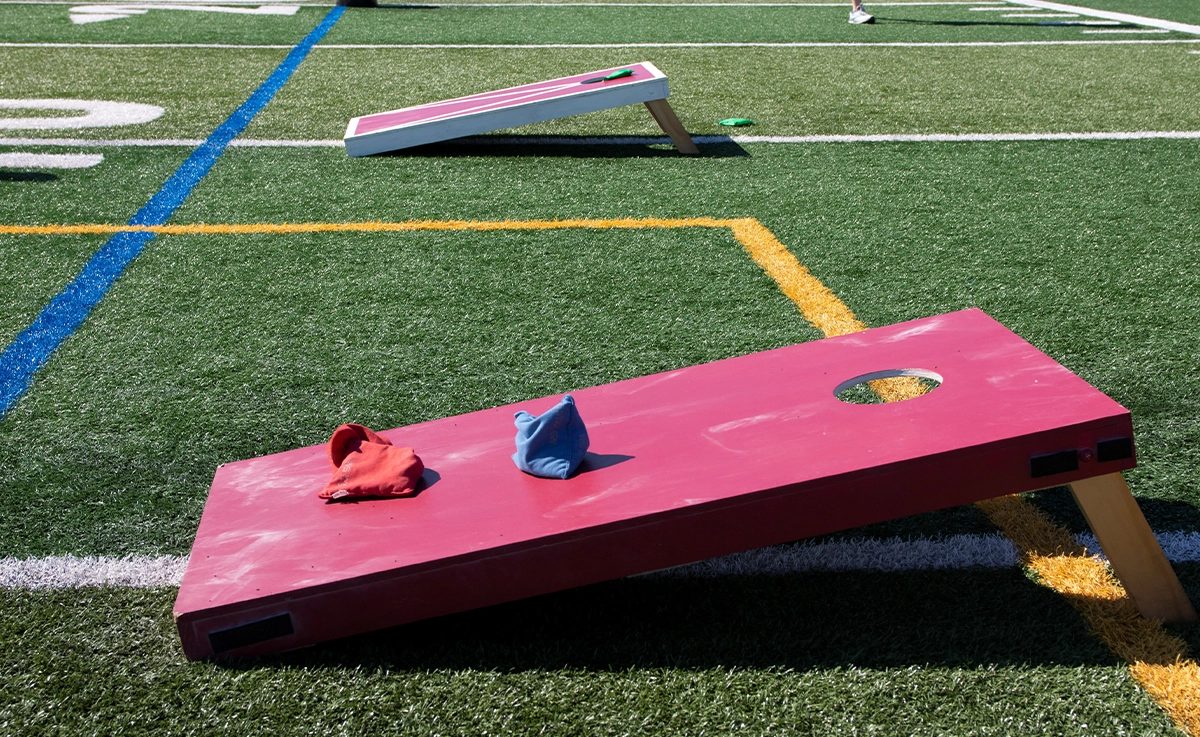
The official distance between the front edges of cornhole boards is 27 feet. However, for younger players or those with physical limitations, a shorter distance is perfectly acceptable and often encouraged. This adaptability makes cornhole a great activity for intergenerational gatherings or inclusive events. You might be surprised to find cornhole even making its way into educational settings. Think about it – calculating angles, estimating distances, and even basic scoring all involve math skills. A cornhole game can be a fun and engaging way to teach these concepts to kids. Furthermore, cornhole encourages hand-eye coordination and strategic thinking – valuable skills in various aspects of daily life, from playing other sports to solving complex problems.
Must Read
Beyond the standard distance, there’s another important measurement to keep in mind: the pitcher's box. This is the designated area from which players throw. The pitcher’s box extends from the front of the board 4 feet back on each side. Knowing this measurement prevents players from encroaching on the board or throwing from unfairly advantageous positions.

Ready to explore the world of cornhole distances? Here are a few simple ways to do it: First, grab a measuring tape and find a flat, open space. Set up your boards at the 27-foot distance and try a few practice throws. Experiment with different distances – shorter and longer – and see how it affects your game. Pay attention to how the increased or decreased distance changes the difficulty and the overall experience. You could even organize a mini-tournament with friends and family, incorporating the official rules and keeping score. Another great way to learn is to watch professional cornhole tournaments online. Notice how the players adjust their throws and strategies based on the consistent board distance. By actively engaging with the game and experimenting with the distances, you’ll gain a deeper appreciation for the subtle nuances and the strategic depth of cornhole.
Ultimately, knowing the correct distance between cornhole boards is more than just following a rule; it's about respecting the spirit of the game and ensuring a fair and enjoyable experience for everyone. So, grab your bean bags, measure out that distance, and get ready to toss!