
How Expensive Is It To Charge An Electric Car

Hey there, future EV drivers! Ever wondered what it really costs to fuel up an electric car? I mean, we all know gas prices are, well, a bit of a rollercoaster, right? But what about plugging in? Let's dive into the surprisingly interesting world of electric car charging costs. Spoiler alert: it's usually cheaper than gasoline, but there's more to the story!
The Home Charging Hustle: Your Personal Power Plant
So, first things first: home charging. This is where most EV owners get their juice. Think of it as having your own personal gas station… except instead of stinky fumes, you get the quiet hum of electricity. Pretty cool, huh?
The cost here is directly tied to your electricity bill. How much do you pay per kilowatt-hour (kWh)? Dig out that bill and take a look! Prices vary wildly depending on where you live. Some places have super cheap electricity, while others… not so much.
Must Read
Let's say you pay an average of $0.20 per kWh (check your bill!). A typical EV battery is around 60 kWh. To fully charge it from empty, that would cost you about $12 (60 kWh x $0.20/kWh = $12). Compare that to filling up a gas guzzler… Suddenly, that EV is looking pretty sweet, isn't it?
But wait! There's more! Many utility companies offer special time-of-use rates. This means electricity is cheaper during off-peak hours, like overnight. Imagine plugging in your car before you go to bed and waking up to a fully charged battery at a fraction of the cost! It's like getting a discount on sleep and driving!

Of course, you might need to invest in a Level 2 charger for your home. These chargers are faster than the standard wall outlet (Level 1) and can significantly reduce charging time. Think of it as upgrading from dial-up internet to super-fast broadband. Is it worth the extra cost? For most EV owners, absolutely.
The Public Charging Playground: Juice on the Go
Okay, so what if you're on a road trip or don't have access to home charging? That's where public charging stations come in. Think of them as the gas stations of the future, only… electric! They're popping up everywhere, from shopping malls to highway rest stops.
Public charging costs vary even more than home charging. Some stations charge by the kWh, while others charge by the minute. And some are even free! (Score!). The speed of the charger also plays a big role. Fast chargers, also known as DC fast chargers, can add significant range in a short amount of time, but they usually cost more.
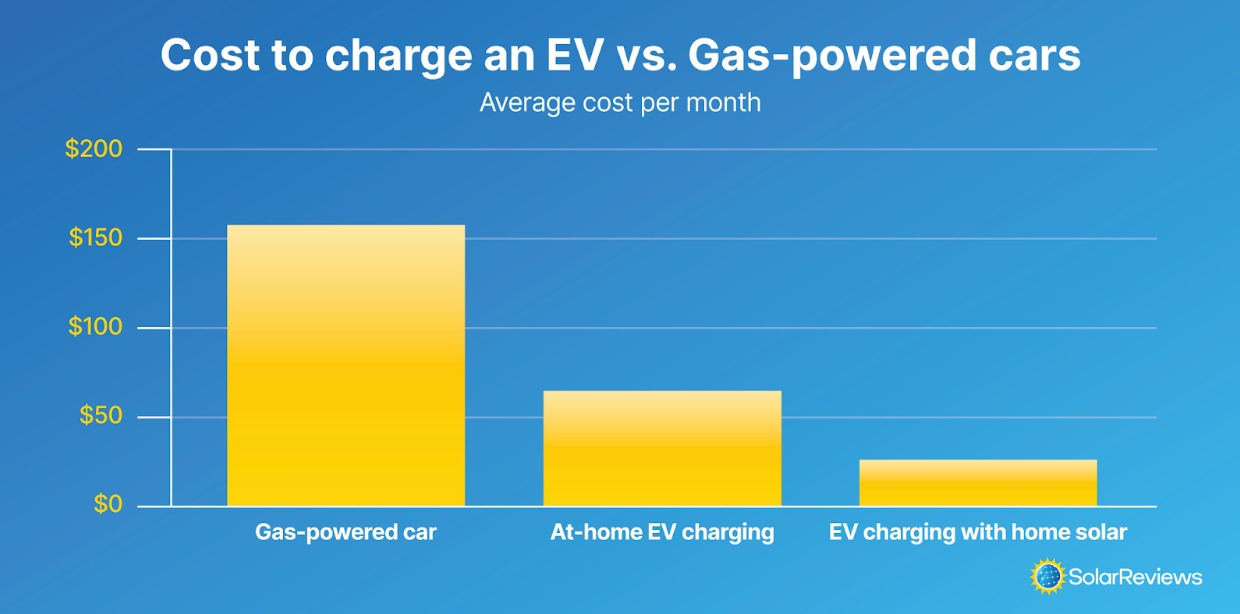
Let's say you're using a DC fast charger that costs $0.40 per kWh. To add 200 miles of range to your EV (which might require around 40 kWh), it would cost you about $16. Still cheaper than gas for most cars, but the price can creep up depending on the charging network and location. Think of it as the convenience fee for not having to plan ahead as much!
Many charging networks also offer subscription plans. These plans can give you discounted rates and access to exclusive charging stations. It's like having a membership at your favorite coffee shop – you pay a monthly fee for discounted lattes (or in this case, kilowatt-hours!). Is a subscription right for you? It depends on how often you use public charging.
The Big Picture: It's Not Just About the Money
Okay, so we've crunched some numbers, but the cost of charging an EV isn't just about the money. Think about the convenience of charging at home, waking up to a "full tank" every morning. Think about the environmental benefits of reducing your carbon footprint. And think about the sheer coolness of driving a car powered by electricity!
Charging an electric car is often cheaper than fueling a gasoline car, especially if you take advantage of off-peak rates and home charging. But it's also a different experience. It requires a little planning and a bit of understanding of how electricity pricing works. But once you get the hang of it, it's a smooth and rewarding ride. Think of it as graduating from flip phone to smartphone, there's a learning curve, but the reward is so worth it!
So, are EVs expensive to charge? The answer, like most things in life, is it depends. But with a little research and a willingness to embrace the electric revolution, you can save money, reduce your environmental impact, and experience the thrill of driving a truly amazing machine. Ready to plug in?
