How Electricity Is Generated Through Solar Power
Let's face it, who doesn't love the sun? Whether you're basking on a beach, tending to your garden, or simply feeling its warmth on a chilly day, the sun's energy is a fundamental part of our lives. But what if we could harness that incredible power to fuel our homes and businesses? Enter solar power, a fascinating and increasingly important technology that's transforming the way we generate electricity.
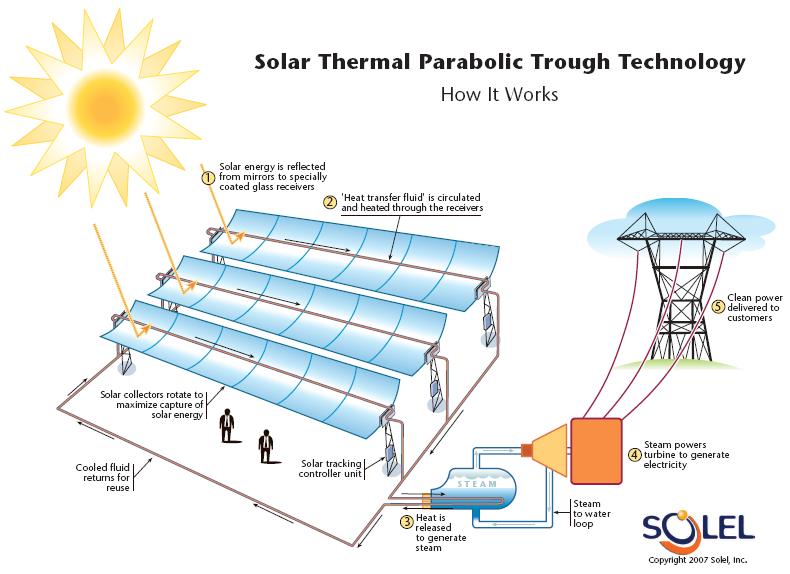
The beauty of solar power lies in its simplicity and sustainability. The core purpose it serves is to provide a clean, renewable source of energy, reducing our reliance on fossil fuels and minimizing our impact on the environment. Every day, the sun showers the Earth with an enormous amount of energy – far more than we could ever possibly use. Solar panels allow us to capture a small fraction of this energy and convert it into electricity we can use to power our lives. This has huge benefits for everyday life, from reducing air pollution and slowing climate change to potentially lowering your electricity bills.
You might be surprised at how many places you encounter solar power in your daily routine. From the solar panels adorning rooftops of homes and businesses to the large-scale solar farms dotting the landscape, the applications are widespread. Think about solar-powered calculators, garden lights, and even electric vehicles charging at solar-powered stations. The possibilities are constantly expanding as technology advances. Solar power is also increasingly important in remote areas where connecting to the traditional electricity grid is difficult or expensive, providing access to power for vital services like schools and hospitals.
Must Read
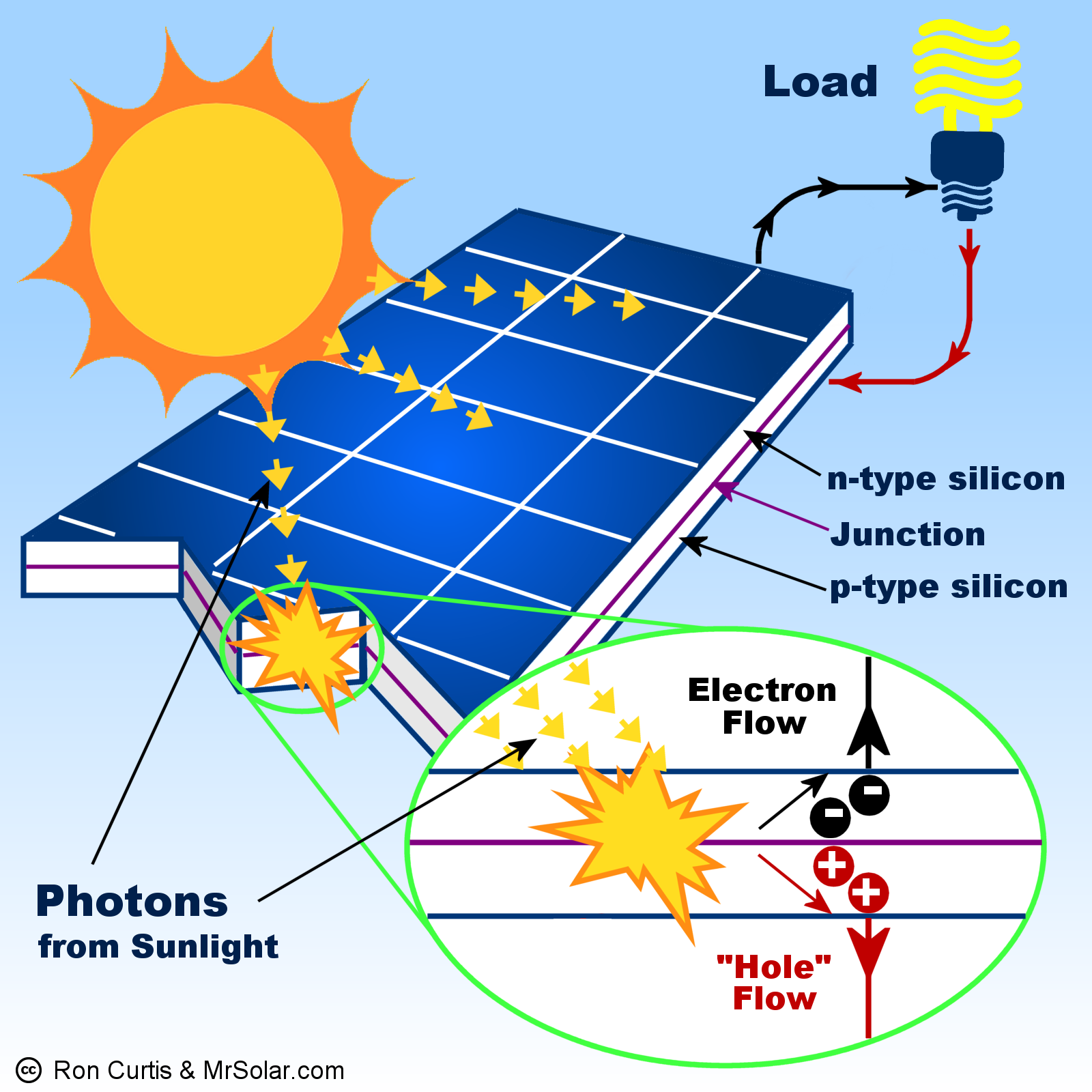
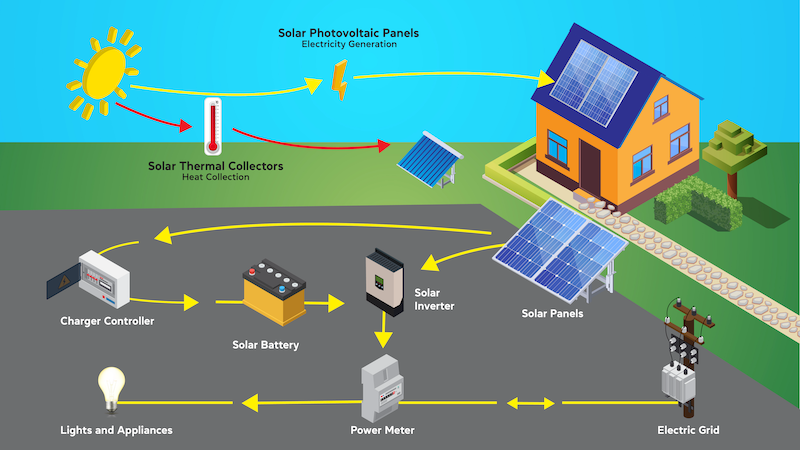
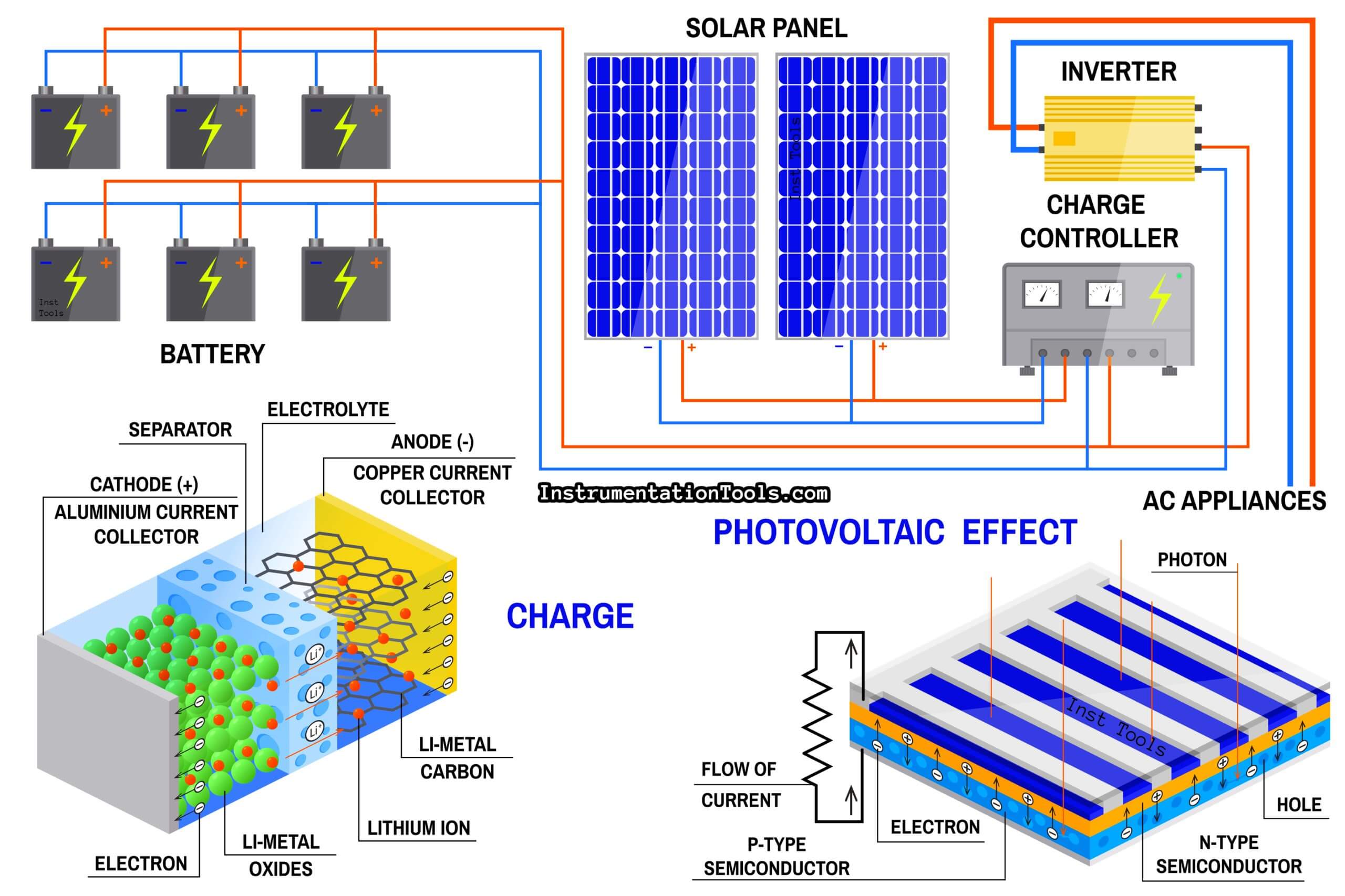
So, how does this magic actually happen? At the heart of a solar panel are photovoltaic (PV) cells. These cells are made of semiconducting materials, typically silicon, similar to what's used in computer chips. When sunlight hits these cells, it excites electrons within the silicon, causing them to flow and create an electrical current. This current is then captured and converted into usable electricity through an inverter. The inverter transforms the direct current (DC) electricity produced by the panels into alternating current (AC) electricity, which is the type of electricity used in most homes and businesses.
Interested in enjoying the benefits of solar power more effectively? Here are a few practical tips: First, consider a home energy audit to identify ways to reduce your overall energy consumption. Efficiency is key! Then, if you're considering installing solar panels, research different panel types and installers to find the best fit for your needs and budget. Pay attention to the panel's efficiency rating and warranty. Also, explore government incentives and tax credits that can significantly reduce the upfront costs. Finally, even small steps like using solar-powered chargers for your electronic devices can contribute to a more sustainable lifestyle.
Ultimately, solar power represents a bright future for energy generation. By embracing this clean and renewable technology, we can create a more sustainable and environmentally friendly world for generations to come. So next time you feel the warmth of the sun on your face, remember the incredible potential it holds to power our lives in a clean and sustainable way.