How Does The Temperature Affect The Humidity

Ever walked outside on a summer day and felt like you could cut the air with a knife? Or wondered why your skin feels so much drier in winter, even though you're indoors? The answer often lies in understanding the fascinating relationship between temperature and humidity. It's a topic that might sound a bit science-y, but trust me, it's surprisingly relatable and impacts our lives every single day!
Why should you care about this, you ask? Well, for beginners, knowing how temperature affects humidity helps you understand weather reports better. You'll get a feel for what "feels like" temperature really means. For families, understanding this connection can help you create a more comfortable and healthy home environment, especially for little ones sensitive to air quality. And for hobbyists like gardeners, musicians (think about instrument care!), or even wine enthusiasts, controlling temperature and humidity is absolutely crucial for success. Each group can benefit from understanding the relationship between temperature and humidity.
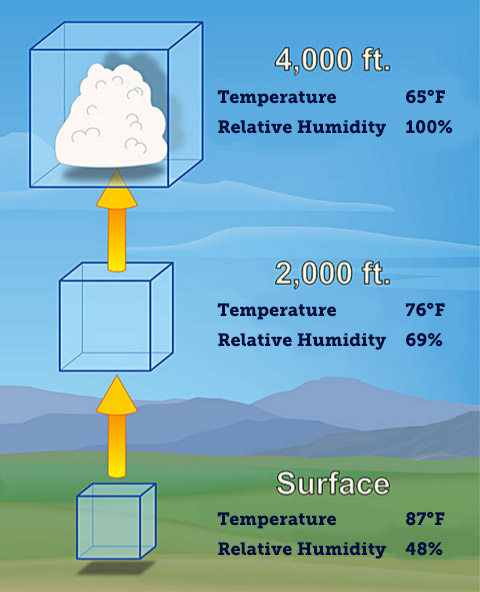
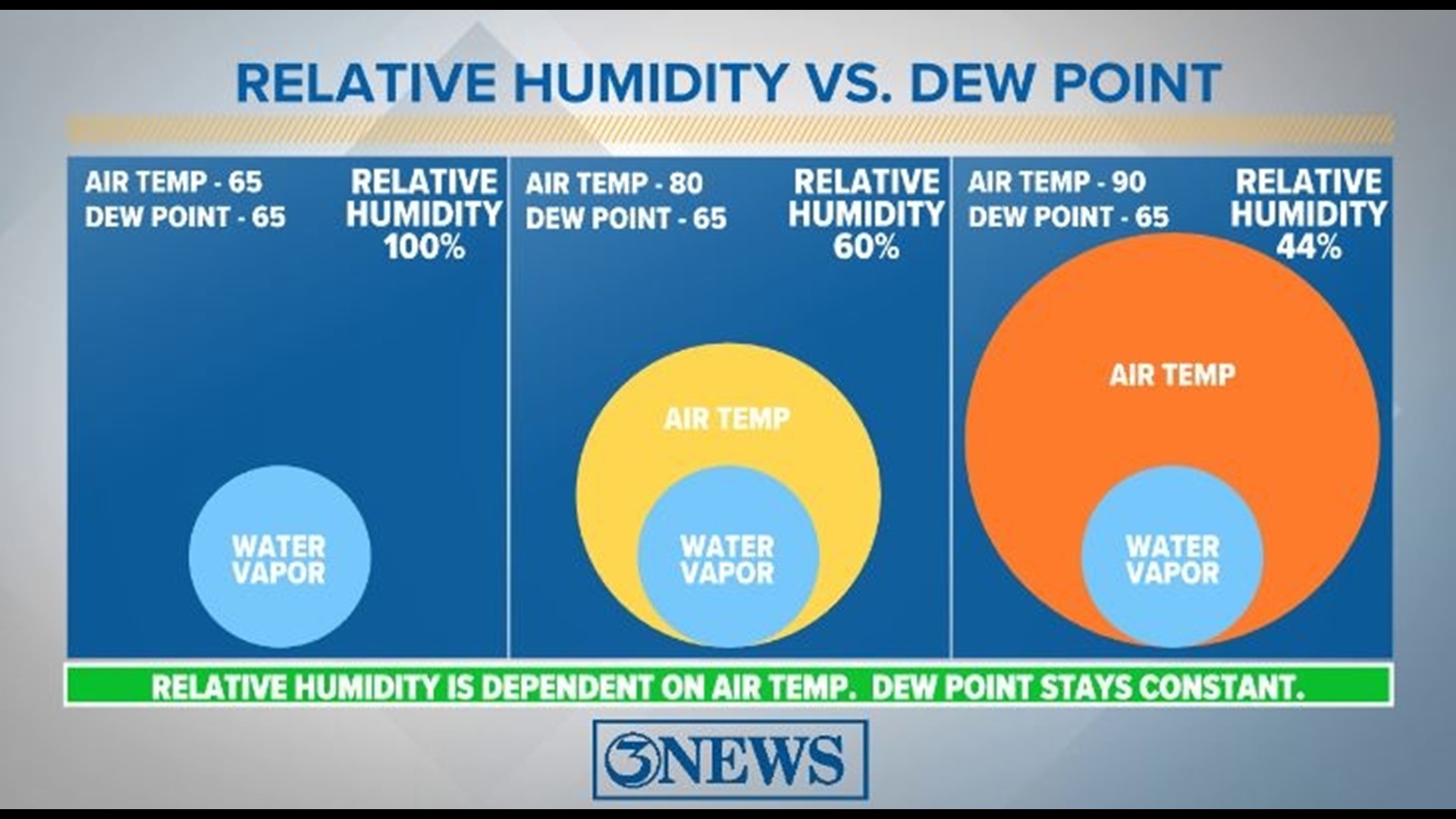
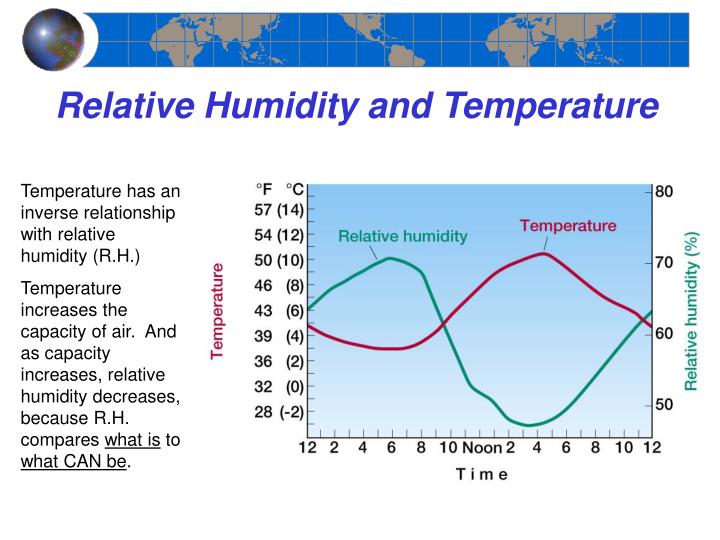
So, what's the deal? The core concept is this: warm air can hold more moisture than cold air. Think of air like a sponge. When it's warm, the sponge expands and can soak up more water (humidity). When it's cold, the sponge shrinks and can't hold as much. That's why we often experience higher humidity levels during warmer months. Even if the actual amount of water in the air stays the same, the relative humidity changes with the temperature.
Must Read
Let's illustrate this with an example. Imagine a sealed room with a constant amount of water vapor. If you heat up the room, the relative humidity will decrease because the air now has the potential to hold even more water. Conversely, if you cool the room down, the relative humidity will increase. If you cool it down enough, the relative humidity could reach 100%, and the water vapor will condense, forming dew or fog.
Variations on this theme are all around us! Consider a desert climate. During the day, temperatures soar, and the relative humidity plummets, making the air feel incredibly dry. But at night, as the temperature drops, the relative humidity rises, and you might even experience dew formation. Or think about wintertime. Cold air can't hold much moisture, so even if you have a humidifier running, the relative humidity inside your home might still be quite low, leading to dry skin and static electricity.
Want to get a better handle on temperature and humidity? Here are a few practical tips to get started:
- Check your local weather reports: Pay attention to both the temperature and the relative humidity. Many weather apps will also tell you the "feels like" temperature, which takes humidity into account.
- Use a hygrometer: These inexpensive devices measure the relative humidity in your home. This can be especially helpful if you have concerns about air quality or are trying to control the humidity for a specific purpose.
- Adjust your thermostat and ventilation: Experiment with different settings to find a comfortable balance. Consider using a dehumidifier or humidifier to regulate the humidity levels in your home.
Understanding the relationship between temperature and humidity isn't just about knowing facts; it's about making informed choices to improve your comfort, health, and even the success of your hobbies. It adds a layer of awareness to your everyday experiences, and that's pretty cool (or warm, depending on the humidity!).