
How Does Solar Output Affect Climate Change

Okay, so, climate change. We hear about it all the time, right? It's like that one relative who always brings up politics at Thanksgiving – unavoidable. But instead of mashed potatoes and awkward silences, we're talking melting glaciers and wonky weather patterns. And everyone's blaming cars and factories, which, fair enough. But what about that big, yellow, fiery ball in the sky? Does the sun have a hand in this climate chaos?
The short answer? Kinda, but not really. Let’s think of it this way: imagine climate change is a really stubborn stain on your favorite white shirt. Fossil fuels are like dumping a whole bottle of red wine on it. It's a major problem. Solar output? That's like a tiny little sprinkle of grape juice. It might add a slight purple hue, but it’s definitely not the main culprit.
The Sun's Regular Rhythms (and Why They're Not to Blame)
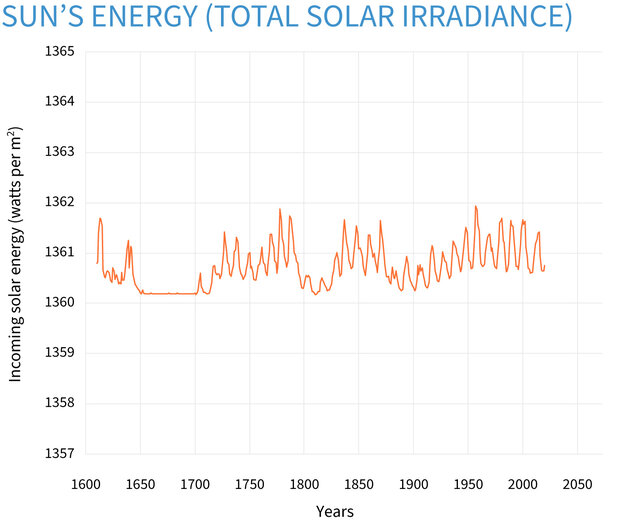
The sun isn't a lightbulb that just shines at one constant brightness. It goes through cycles, like a moody teenager. These cycles, called solar cycles, last about 11 years. During a solar cycle, the amount of energy the sun sends our way fluctuates. Sometimes it’s a bit more intense, sometimes a bit less. Think of it as the sun turning up the volume knob on its heat-emitting radio, then turning it back down again.
Must Read
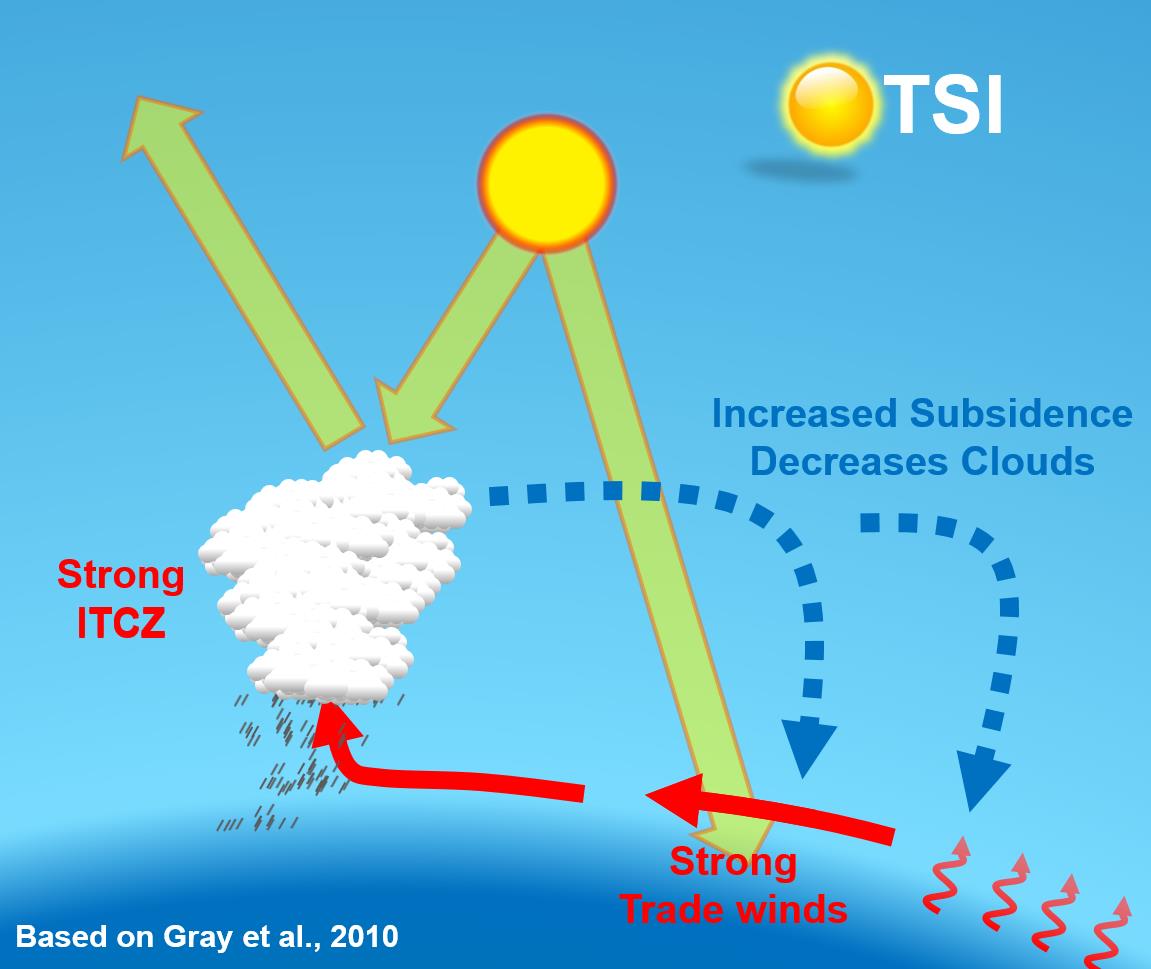
These cycles do have a small effect on Earth's climate. When the sun is at its most active, with more sunspots (think of them as the sun’s pimples…gross but true!), the Earth receives a tiny bit more energy. This can lead to slightly warmer temperatures, but it's a mere blip compared to the dramatic warming we’ve seen in recent decades.
Think about it like this: solar cycles are like adding an extra ice cube to your drink on a hot day. It makes a tiny difference, sure, but it's not going to cool down the entire room. Fossil fuels, on the other hand, are like turning up the thermostat to 90 degrees and leaving the windows open. That's going to make a significant impact.
The Real Culprit: Greenhouse Gases (Boo!)
The real villain in the climate change story is the buildup of greenhouse gases in the atmosphere. These gases, like carbon dioxide and methane, act like a giant blanket wrapped around the Earth. They trap heat, preventing it from escaping back into space, which causes the planet to warm up. And guess where most of these greenhouse gases come from? Yep, burning fossil fuels like coal, oil, and natural gas.
Scientists have studied the sun's activity very carefully, and they’ve concluded that solar output has played a very minor role in the warming trend we've seen over the past century. It's like blaming the cat for eating your steak when you left it unattended on the counter – technically, the cat did eat the steak, but you're the one who put it there in the first place!
Don't Blame the Sunshine (Too Much)
So, while the sun's output does fluctuate, and these fluctuations do have a small impact on climate, the overwhelming evidence points to human activities as the primary driver of climate change. It's not the sun's fault your ice cream is melting; it’s because you left it out in the sun – or, in this case, because we've been pumping greenhouse gases into the atmosphere like there's no tomorrow. Time to put down the metaphorical ice cream and maybe consider a more sustainable popsicle, eh?
In short: Solar activity? A tiny nudge. Human activity and greenhouse gases? A giant shove off a cliff. Let's focus on the real problem so we can keep enjoying our (slightly less melty) ice cream for years to come!

