
How Does Mining For Coal Affect The Environment
Hey there! So, you wanna know about how mining for coal affects the environment? Buckle up, buttercup, because we’re about to dive into the nitty-gritty. Don't worry, I'll keep it light – we're not writing a textbook here, just having a chat!
Digging In: What's the Deal with Coal Mining?
First things first, what is coal mining? Well, it's exactly what it sounds like: digging up coal! Coal, my friend, is a fossil fuel used for electricity generation (power plants) and industrial processes. We dig it up, burn it, and… well, that’s where the environmental rollercoaster begins. There are a couple of main ways to mine coal:
- Surface Mining (or Strip Mining): Imagine a giant excavation. They remove layers of soil and rock (called "overburden") to get to the coal underneath. Think of it like peeling an onion, but with way more heavy machinery and way less crying (hopefully!).
- Underground Mining: This is where miners go deep underground, using tunnels and shafts to extract the coal. It’s like a subterranean treasure hunt, only the treasure is black and dusty instead of gold doubloons.
Each method has its own unique set of environmental impacts, so let's break it down, shall we?
Must Read
The Environmental Lowdown: Not Always Pretty
Okay, so here's the thing. Digging up massive amounts of earth definitely has consequences. It’s like having a party and forgetting to clean up afterwards – only, this party lasts for decades (or even centuries!).
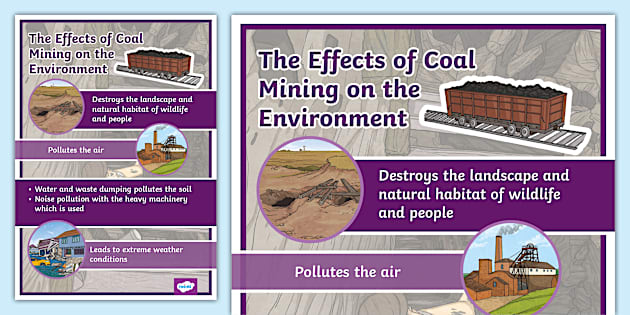
Land Disturbance: Strip mining can completely transform landscapes. Think forests turned into giant holes. It's not exactly a makeover that Mother Nature appreciates. We're talking about the destruction of habitats, impacting biodiversity, and making it tough for anything to grow back.
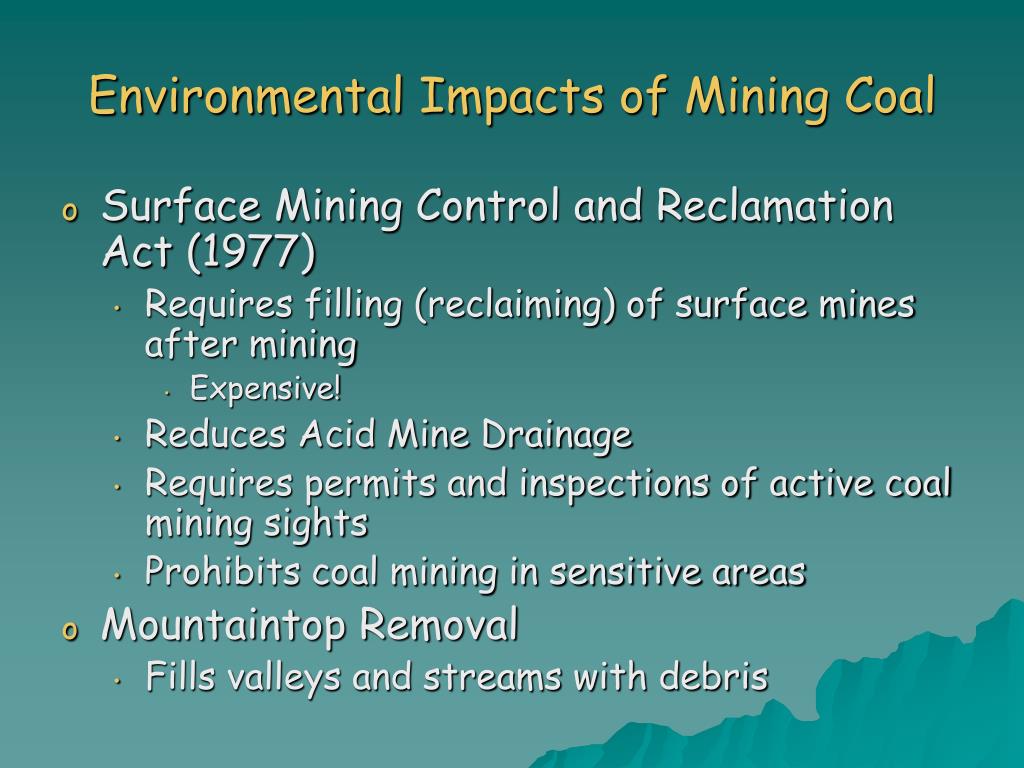
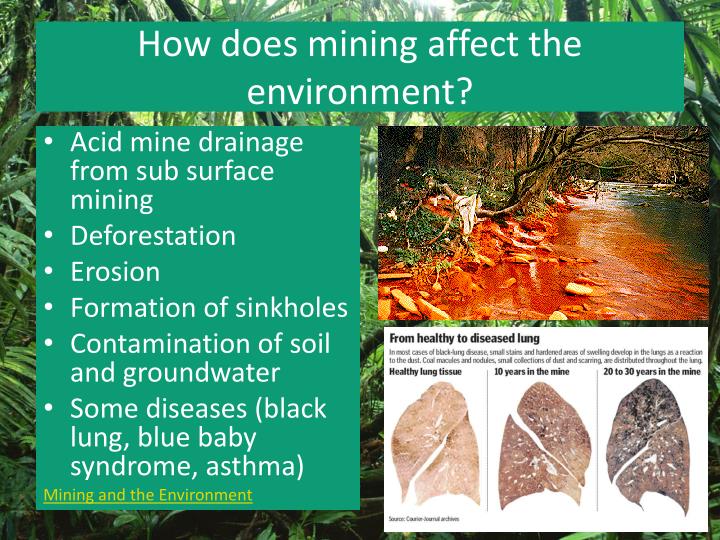
Water Pollution: This is a big one. Mining can expose previously buried minerals to air and water, leading to what's called acid mine drainage. Basically, the water becomes acidic and full of nasty heavy metals. This contaminates rivers and streams, harming aquatic life and making the water unsafe for drinking. Yikes!
Air Pollution: Coal mining kicks up a lot of dust, which can contribute to respiratory problems. Plus, the trucks and heavy equipment used in mining release emissions that contribute to smog and climate change. Double yikes!
Greenhouse Gas Emissions: Burning coal releases a ton of greenhouse gases, especially carbon dioxide (CO2), which is a major culprit in global warming. Coal is one of the most carbon-intensive fuels, so using less of it is a key part of fighting climate change.

Habitat Destruction: Both surface and underground mining disrupt ecosystems. Imagine your home being bulldozed – that’s basically what happens to countless plants and animals when their habitat is destroyed for coal mining. No picnics for them!
Reclaiming the Land: Can We Fix It?
Okay, it's not all doom and gloom. Many countries have laws requiring mining companies to reclaim the land after they're finished mining. This means trying to restore the land to its original condition, or at least make it usable for other purposes.
Reclamation efforts can involve:
- Replanting vegetation (trees, grasses, etc.)
- Reshaping the land to prevent erosion
- Treating contaminated water
- Creating wetlands or other habitats
While reclamation can help, it's often a long and difficult process, and it's not always completely successful. Sometimes, the damage is just too extensive to fully repair. And even if the land looks restored, the underlying ecosystem may still be damaged.
The Bottom Line: Coal's Environmental Bill
So, what's the takeaway? Coal mining definitely has a significant impact on the environment. From land destruction and water pollution to air pollution and climate change, the consequences can be serious. While reclamation efforts can help mitigate some of these impacts, they're not a perfect solution.

The good news is that we're increasingly moving towards cleaner energy sources like solar and wind power. These renewable energy sources are much better for the environment and can help us reduce our reliance on coal. Think of it like trading in your gas-guzzling car for a shiny new electric one!
So, next time you flip a light switch, remember where that electricity might be coming from. And consider supporting efforts to promote cleaner energy alternatives. You can make a difference, one solar panel (or wind turbine) at a time!
Alright, friend, that’s the coal scoop. Hope this helped! Remember, stay informed, stay positive, and let's build a brighter, greener future together!