How Does Geothermal Energy Affect The Environment

Think of that toasty feeling when you sink into a naturally heated hot spring on a chilly evening. Or maybe you've heard tales of Iceland, where entire towns are warmed by the very Earth beneath their feet. We humans have a deep, instinctive attraction to the Earth's warmth, and for good reason. Geothermal energy, that incredible heat radiating from our planet's core, offers a tantalizing promise: clean, renewable power.
But how does tapping into this fiery resource really affect the environment? Let's delve into the fascinating world of geothermal energy and its impact.
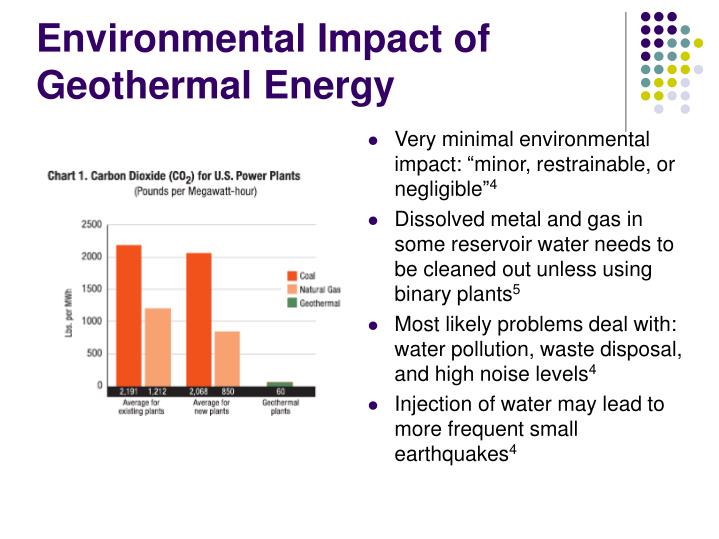
Geothermal energy's main benefit is pretty straightforward: it provides a cleaner alternative to fossil fuels. Think of it as switching from a smoky coal furnace to a central heating system powered by the Earth's natural warmth. This reduces our reliance on those polluting sources, helping to combat climate change by minimizing greenhouse gas emissions. Plus, geothermal plants have a relatively small footprint compared to other power plants, meaning less land disturbance.
Must Read
You might not realize it, but geothermal energy is already working for us in several ways. The most common application is electricity generation. Geothermal power plants tap into underground reservoirs of hot water or steam, which is then used to turn turbines and generate electricity. Beyond power generation, geothermal energy is also used for direct heating, such as warming homes and businesses, heating greenhouses for agriculture (keeping those tomatoes plump and juicy all year round!), and even for aquaculture, providing the perfect temperature for raising fish. Imagine a world powered and warmed by the Earth's own internal furnace – that's the potential of geothermal!

So, what about those environmental effects? While geothermal energy is generally cleaner than fossil fuels, it's not entirely without impact. One potential concern is the release of greenhouse gases that are trapped underground. While geothermal plants release far less carbon dioxide than coal or gas plants, they can still release some, along with other gases like hydrogen sulfide (which smells like rotten eggs – not ideal!).
Another issue is the potential for land subsidence and seismic activity. Extracting large amounts of underground fluids can sometimes cause the ground to sink or even trigger small earthquakes. However, careful management and monitoring can minimize these risks.
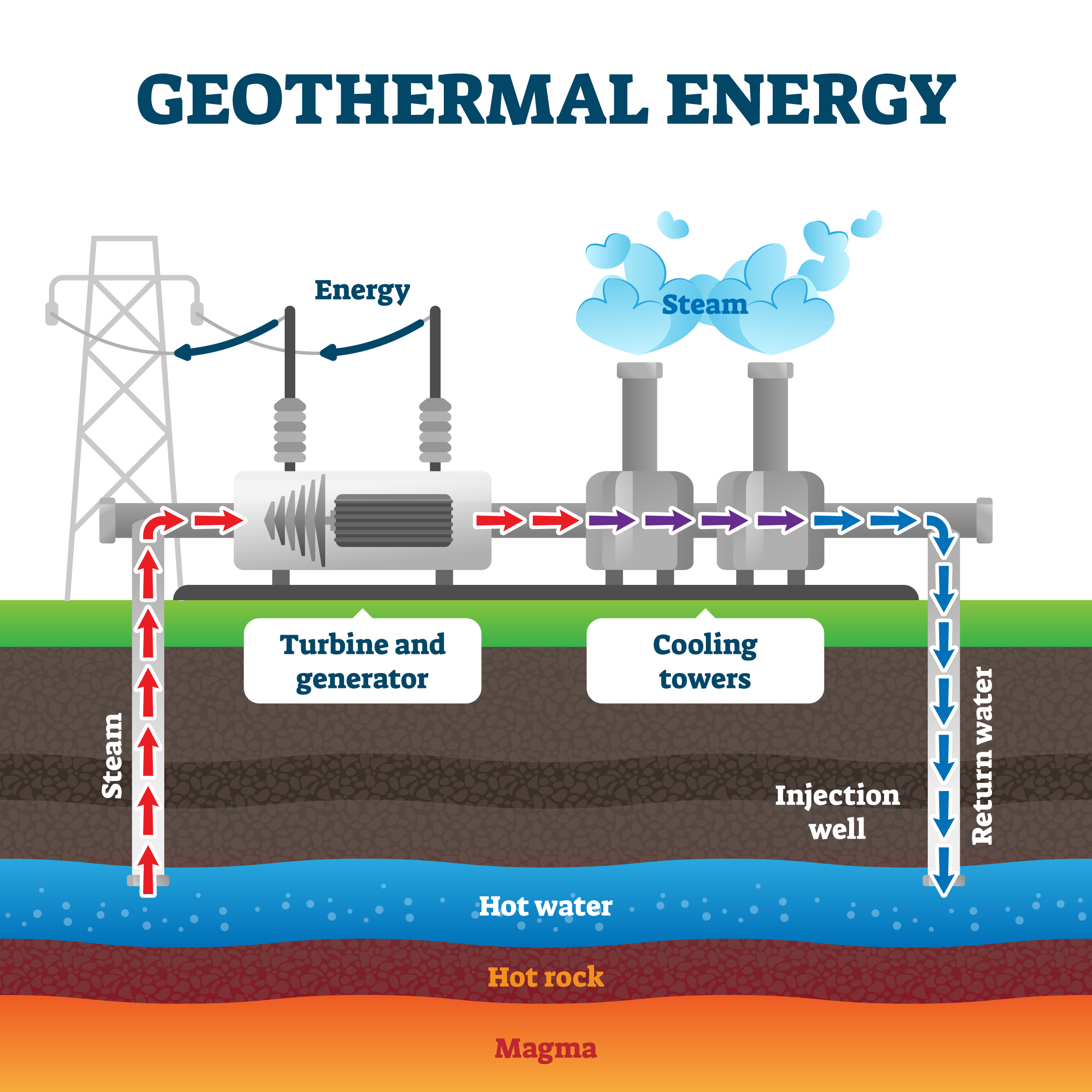
Finally, the discharge of geothermal fluids can sometimes contain minerals and salts that could pollute surface water or groundwater if not properly managed. This is why modern geothermal plants utilize closed-loop systems that reinject the water back into the ground, preventing contamination.
So, how can we ensure we're enjoying the benefits of geothermal energy more effectively and sustainably? Support responsible geothermal development. Look for companies and projects that prioritize environmental protection and utilize the latest technologies to minimize emissions and prevent contamination. Demand transparency in the industry and advocate for stricter regulations to ensure that geothermal energy is harnessed in a way that benefits both people and the planet. We need to encourage continued research and development to further improve the efficiency and environmental performance of geothermal technologies. By supporting innovative solutions and responsible practices, we can unlock the full potential of geothermal energy while minimizing its impact on our precious Earth.