
How Does Daylight Savings Time Conserve Energy

Ever wake up feeling a bit disoriented when the clocks suddenly jump forward or backward? Ah, Daylight Saving Time (DST)! It's one of those quirky traditions that many of us grumble about, especially when we lose an hour of precious sleep. But have you ever stopped to wonder why we even bother with this whole clock-changing dance? Beyond just messing with our internal body clocks, there's a really interesting idea at its core, and it all boils down to something rather clever: energy conservation.
Yep, you read that right. The main, historical reason for nudging the clocks around is to try and save a bit of juice. Think of it like a global, synchronized effort to trick ourselves into using less electricity. Pretty neat, huh?
The Big Idea: Shifting Sunlight
So, what's the magic trick? It's surprisingly simple. When we "spring forward," we essentially take an hour of daylight from the early morning and slap it onto the evening. Instead of the sun rising at, say, 6 AM and setting at 8 PM, it might rise at 7 AM and set at 9 PM.
Must Read
Now, ask yourself: When do you usually need artificial light the most? Is it at 6 AM when you're still snoozing under the covers, or is it in the evening when you're winding down, cooking dinner, reading, or generally hanging out? For most of us, it’s the latter.
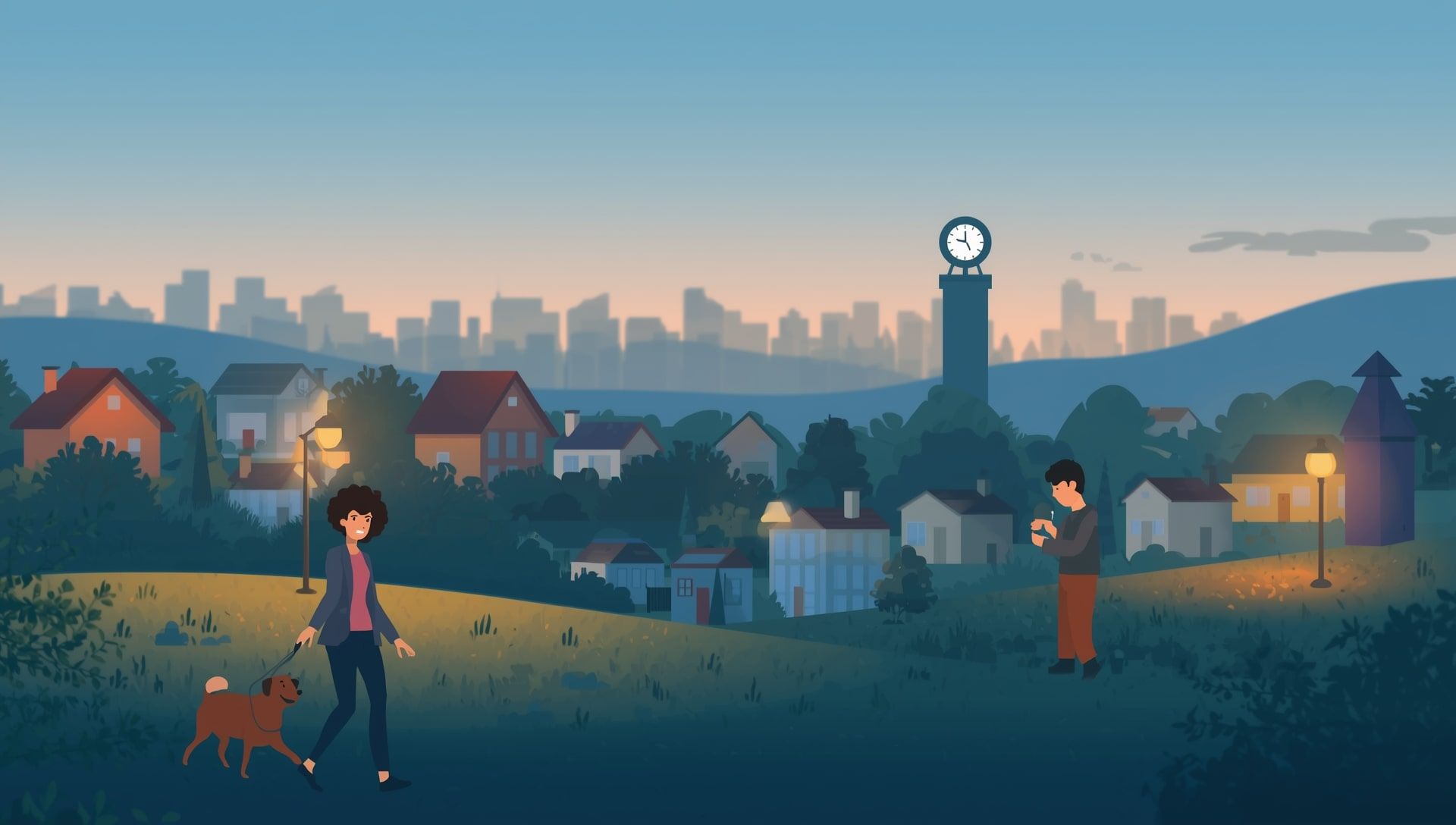
That extra hour of evening daylight means we can delay flicking on those indoor lights. It's like getting a bonus hour of natural, glorious sunshine, delaying the inevitable moment when you reach for the light switch. Imagine it: a beautiful evening glow that lets you finish your backyard BBQ, read a chapter of your book, or just chat with family without immediately plunging into darkness. That’s an hour less of lamps, overhead lights, and all the electricity they consume.

The Original Vision: Ben Franklin and Beyond
The idea of adjusting our schedules to maximize daylight isn't entirely new. Even Benjamin Franklin, way back in 1784, playfully suggested it in a letter, noting how Parisians wasted morning sunlight. But it was a British builder named William Willett who seriously pushed for it in the early 20th century. He was apparently quite frustrated by what he saw as "wasted" morning daylight during his pre-breakfast horseback rides.
However, the idea really gained traction during World War I. Countries like Germany and Britain adopted DST as a wartime measure to conserve coal, which was crucial for their war efforts. By making better use of daylight, they hoped to reduce the amount of fuel needed for artificial lighting. It was a pragmatic move born out of necessity, but it stuck! And then again during World War II, many countries, including the US, observed "War Time" year-round for similar energy-saving reasons.
Beyond Just Lighting
While lighting is the most direct and obvious way DST saves energy, there are other subtle effects. Think about your home's heating and cooling. More daylight in the evening might slightly delay the need to turn on your heating in cooler months. In warmer months, an extra hour of daylight means less time spent in a fully lit home generating extra heat from light bulbs (though modern LED bulbs produce very little heat now!).

Of course, the flip side is that later sunsets might mean your air conditioning runs a bit longer during hotter evenings, but the original and still most recognized benefit focuses on reducing the demand for artificial light during peak evening hours when most people are awake and active.
It’s all about peak demand. Utilities love anything that can shave off the highest peaks of electricity usage. If everyone turns on their lights and appliances at the exact same time, it puts a huge strain on the power grid. By shifting some of that lighting demand away from the late evening, DST helps smooth out those peaks, making the overall energy system a bit more efficient. It's a bit like staggering lunch breaks in a busy office so not everyone floods the cafeteria at once!
A Quirky Global Experiment
So, next time you're cursing DST for that lost hour of sleep, take a moment to appreciate the ingenious, if imperfect, reasoning behind it. It's a huge, coordinated societal experiment designed to cleverly harness the sun's natural energy and reduce our reliance on artificial light.
While modern studies debate the actual amount of energy saved today, especially with more energy-efficient lighting and complex heating/cooling dynamics, the original intention was purely about making the most of what Mother Nature gives us. It’s a testament to how humans have tried to adapt their schedules to the natural world, aiming for a little bit of communal efficiency.
Isn't it fascinating how something as simple as changing a clock can have such a grand, ambitious goal? It might feel a bit odd to manipulate time, but it’s a global tradition steeped in a very practical, energy-saving aspiration. Pretty cool, right?
