How Does Climate Change Effect The Environment
Okay, let's talk climate change! Now, before you glaze over, hear me out. It might sound heavy, but understanding how it affects the environment is actually super interesting – like uncovering a giant puzzle where we all get to be detectives. It's not just about polar bears (though, they are important!), it's about everything from your morning coffee to the next time you visit the beach. Plus, knowing what's going on helps us make smarter choices for a healthier planet. Who doesn't want that?
So, why should you care? Well, if you're a beginner, this is your chance to understand the basics. We'll break down the science in a way that's easy to grasp. For families, this knowledge can spark important conversations with your kids about responsibility and the future. And for those with hobbies like gardening or birdwatching, understanding climate change can help you adapt and even contribute to solutions!
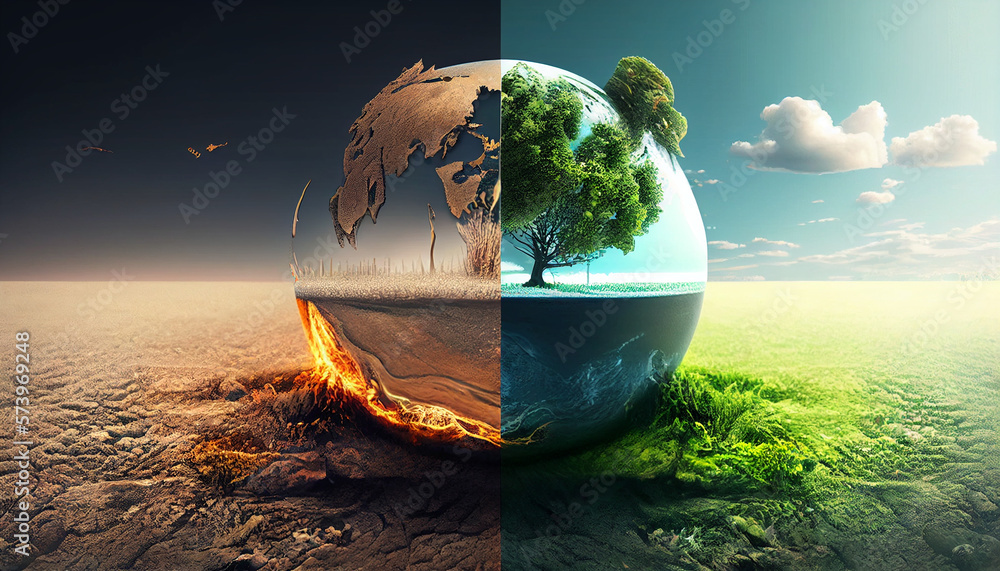
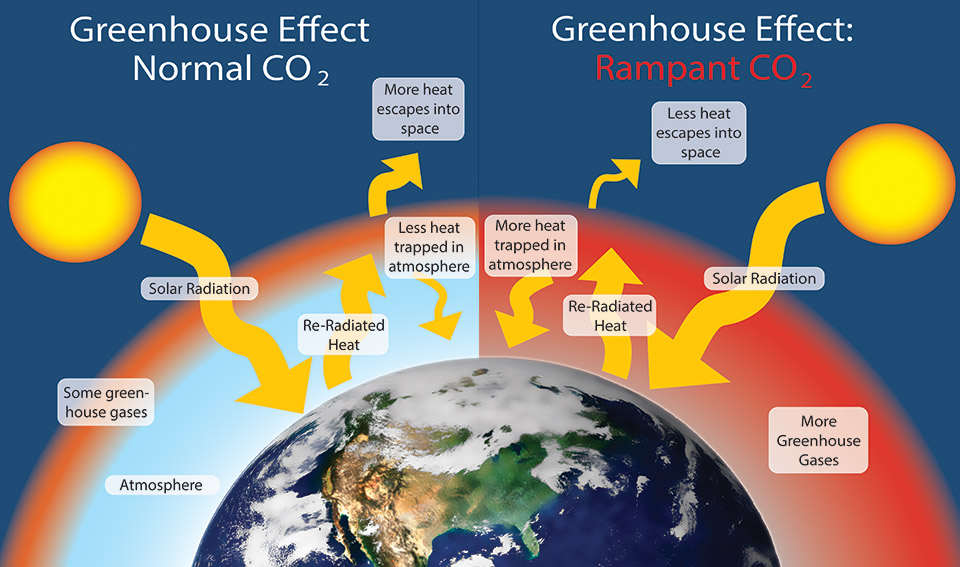
The main thing to remember is that climate change is causing the Earth to warm up. Think of it like this: imagine your car sitting in the sun with the windows rolled up. The sun's rays get trapped inside, making it hotter. Greenhouse gases like carbon dioxide act like those rolled-up windows, trapping heat in the Earth's atmosphere. This warming has a ripple effect.
Must Read
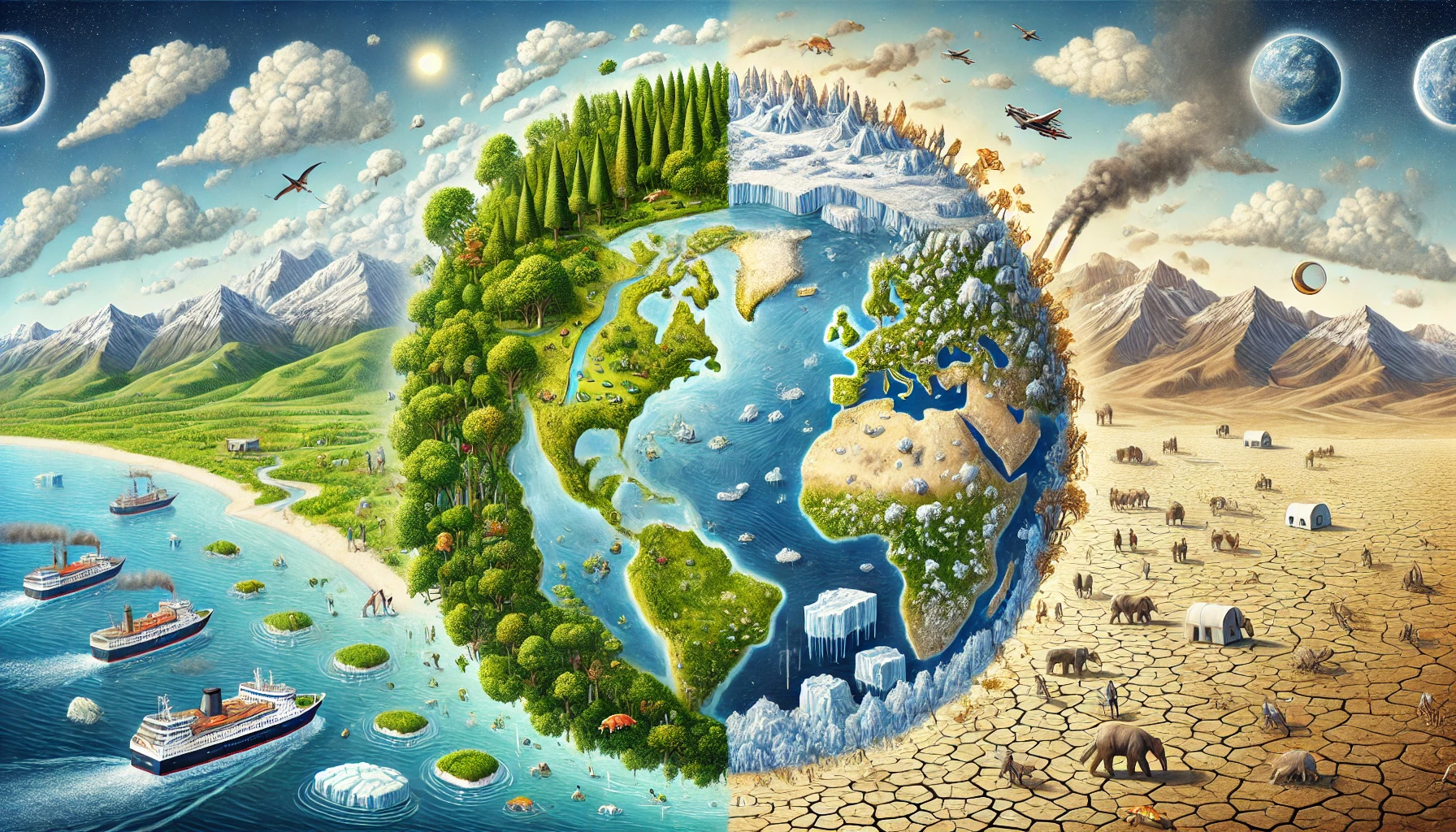
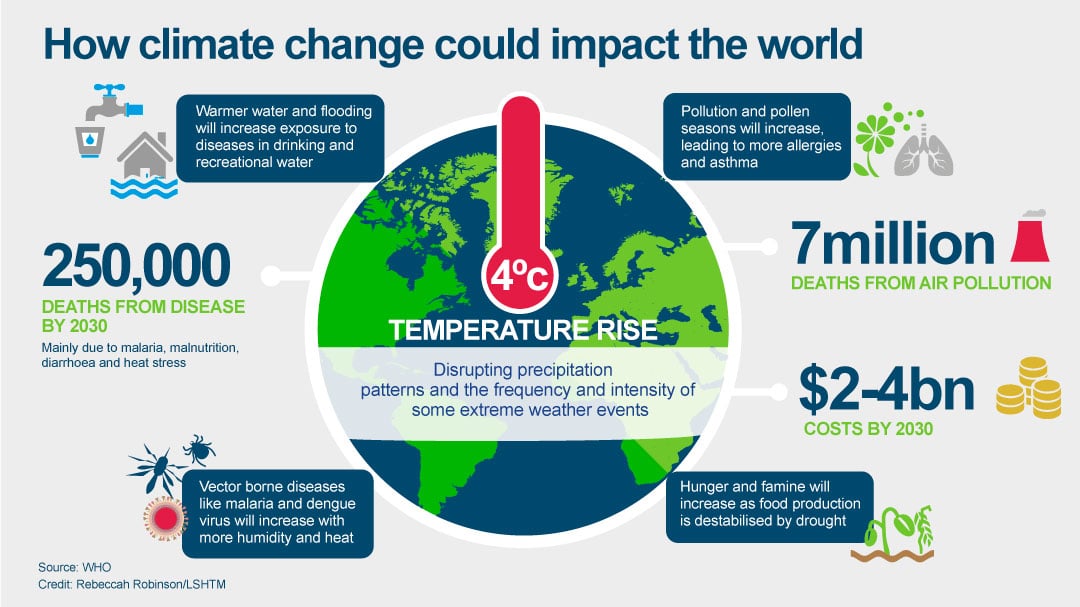
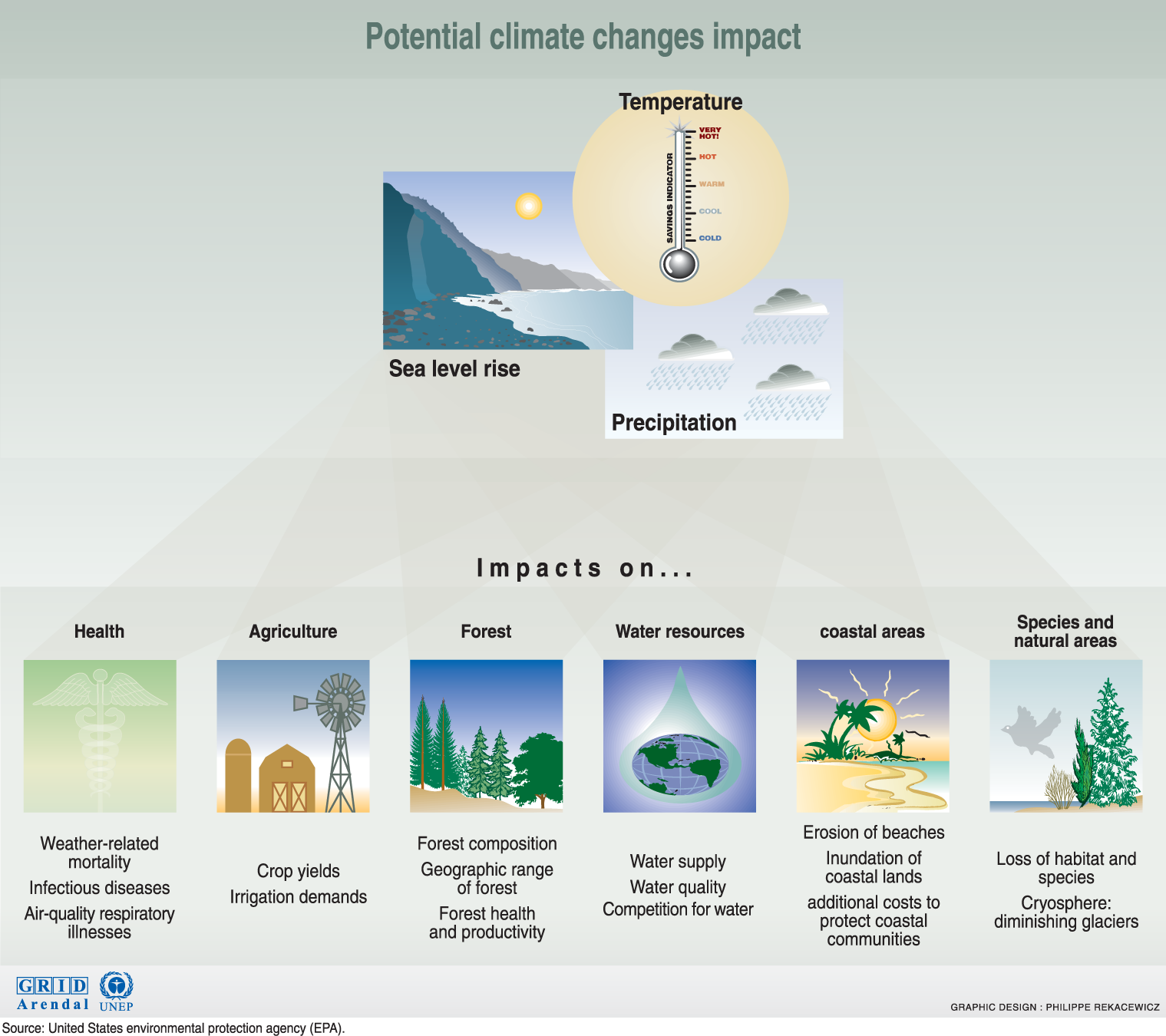
One big effect is rising sea levels. As the planet warms, glaciers and ice sheets melt, adding water to the oceans. This threatens coastal communities and ecosystems. Another effect is more extreme weather. We're seeing more frequent and intense heatwaves, droughts, floods, and storms. For example, a longer drought season can lead to wildfires and affect crops. On the other hand, increased rainfall in certain areas might lead to devastating floods. It is about shifts in weather patterns.
Climate change is also impacting wildlife. Animals and plants are struggling to adapt to changing temperatures and habitats. Some species are moving to cooler areas, while others are facing extinction. Coral reefs, often called the "rainforests of the sea," are particularly vulnerable to warming waters. For instance, coral bleaching occurs when corals expel the algae living in their tissues, causing them to turn white and become more susceptible to disease.
So, where do you start making a difference? Here are a few simple tips: reduce your carbon footprint by driving less (walk, bike, or use public transport), conserve energy by turning off lights and unplugging electronics, and eat sustainably by choosing locally sourced and plant-based foods. Even something as simple as recycling can make a difference! You can also get involved in local environmental initiatives. There are many ways to contribute, from planting trees to participating in community cleanups.
Learning about climate change doesn't have to be a downer. In fact, it can be empowering! The more we understand the science and the effects, the better equipped we are to make informed decisions and take positive action. By understanding our planet and its challenges, we can all contribute to creating a brighter, more sustainable future for ourselves and for generations to come. Let’s find the joy in protecting the environment – it’s an adventure worth embarking on!