
How Does A Wind Turbine Make Energy From Wind
Hey there, friend! Ever watched those giant, graceful wind turbines twirling in the breeze and wondered, "How in the world do those things make power?" Well, grab a comfy seat, because we're about to unravel the mystery! Don't worry, it's way less complicated than advanced calculus (unless you like advanced calculus… then, um, carry on!).
The Wind's the Boss
First and foremost, the star of the show is, you guessed it, the wind! Think of it like this: the wind turbine is basically a super-sophisticated, high-tech windmill. Remember those cute little windmills you might've played with as a kid? Yeah, same basic principle, just on a much grander (and less toy-like) scale.
The wind pushes against those massive blades, causing them to rotate. And when I say massive, I mean massive! Some blades are longer than a football field! (Okay, maybe not quite, but you get the idea. They're HUGE.)
Must Read
Spinning the Magic
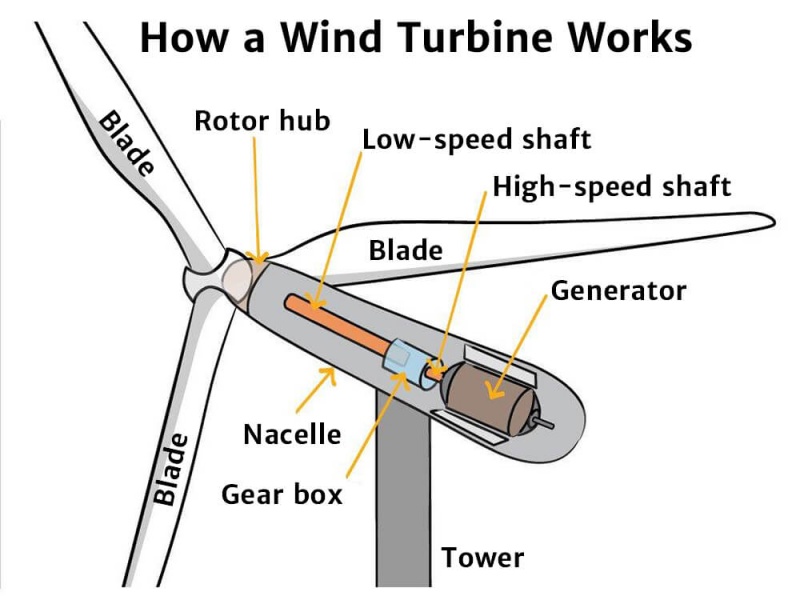
So, the blades are spinning. Big deal, right? Wrong! This spinning is where the real magic begins. The blades are connected to a central shaft, kind of like the axle in a car. As the blades spin, the shaft spins too.
Now, here's where it gets a little bit…well, not complicated, but…technical-ish. Think of it like this: that spinning shaft is connected to a generator. A generator is basically a device that converts mechanical energy (the spinning) into electrical energy (the electricity that powers your phone, your lights, and probably your Netflix habit). Generators use electromagnetism, which sounds scary, but just means magnets and electricity working together. Don't worry; you don't need to become an electrical engineer to understand this! Think of it as a magical dance of energy conversion!

Basically, the spinning shaft turns coils of wire inside the generator. This spinning motion causes electrons (those tiny particles buzzing around atoms) to move, creating an electrical current. Voila! Electricity!
Up, Up, and Away!
Now, all this electricity is generated way up in the air, inside the turbine's nacelle (that's the fancy word for the big box on top of the tower that houses all the important bits). So, how does that electricity get to your house? Great question! (I knew you were smart!)
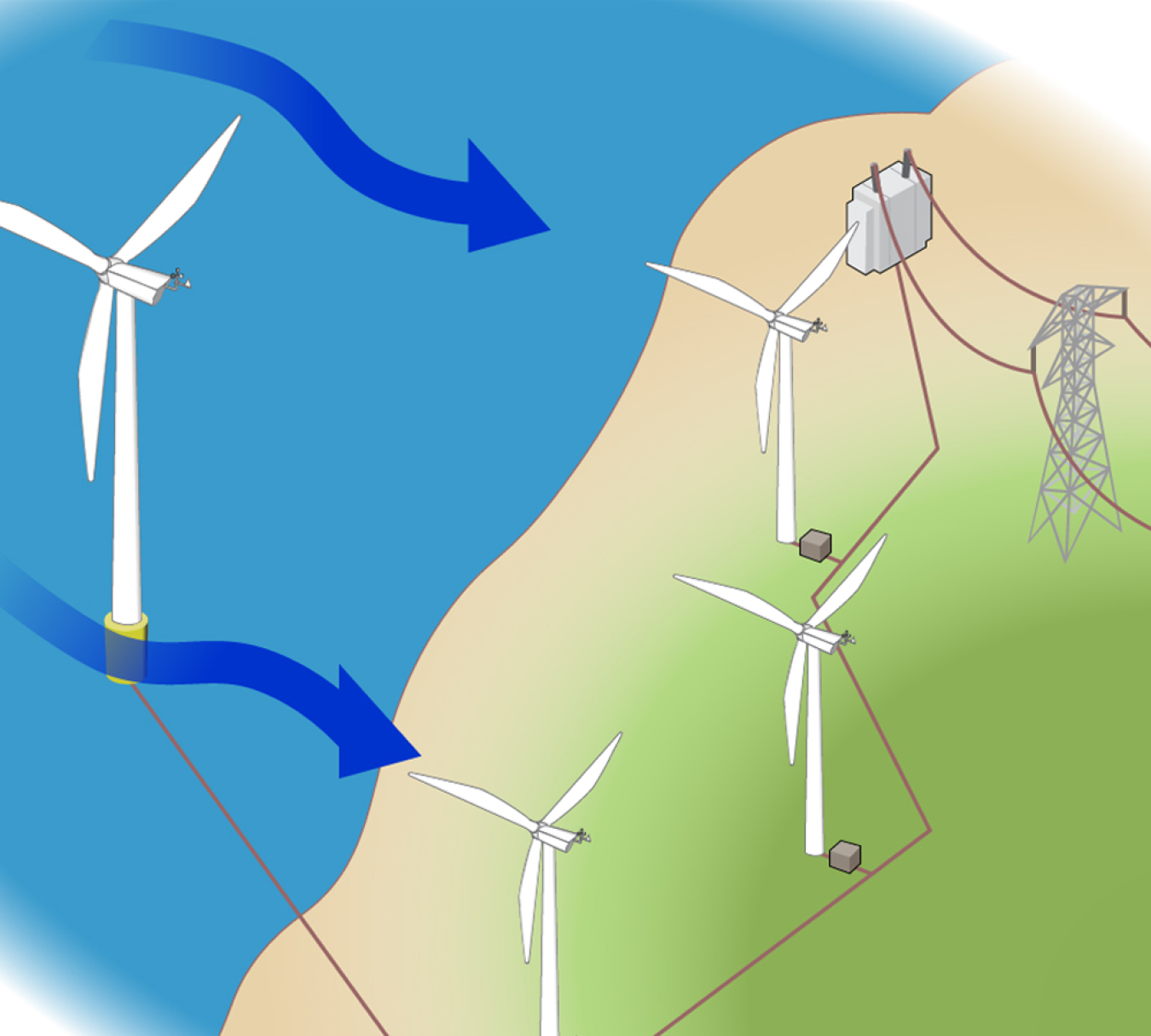
The electricity flows down the tower through cables. At the base of the turbine, it connects to a substation. The substation increases the voltage of the electricity (think of it like giving it a power boost) so it can travel long distances efficiently through power lines. From the substation, the electricity flows into the electrical grid, which is a network of power lines that distributes electricity to homes, businesses, and everything else that needs power. And that, my friend, is how the wind becomes usable electricity!
Why So High?
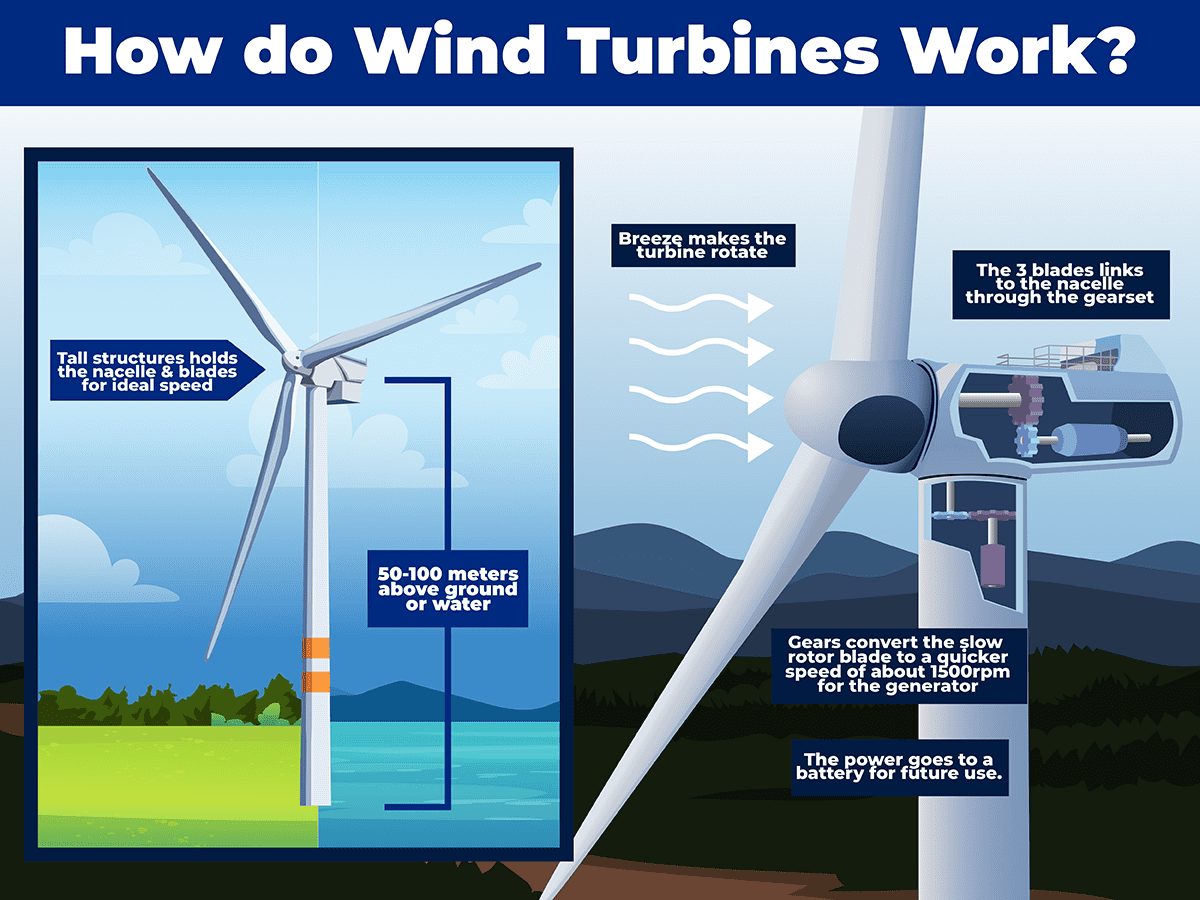
You might be wondering, why are wind turbines so darn tall? Well, the higher you go, the stronger and more consistent the wind tends to be. Less turbulence, more power! It’s like finding the best spot for kite flying – higher up means more lift!
The Upshot
So, to recap: wind pushes the blades, the blades spin a shaft, the shaft spins a generator, the generator makes electricity, and the electricity flows to your house. It’s a beautiful, elegant process that harnesses the power of nature to create clean, renewable energy. Pretty cool, huh?
And that’s it! No more electricity mysteries! Now you can impress your friends and family with your newfound knowledge of wind turbine wizardry. Go forth and spread the word! The future of energy is looking bright and breezy (pun intended!). Remember, every little bit of clean energy helps, and knowing how it works is the first step to embracing it! Isn't that uplifting?
