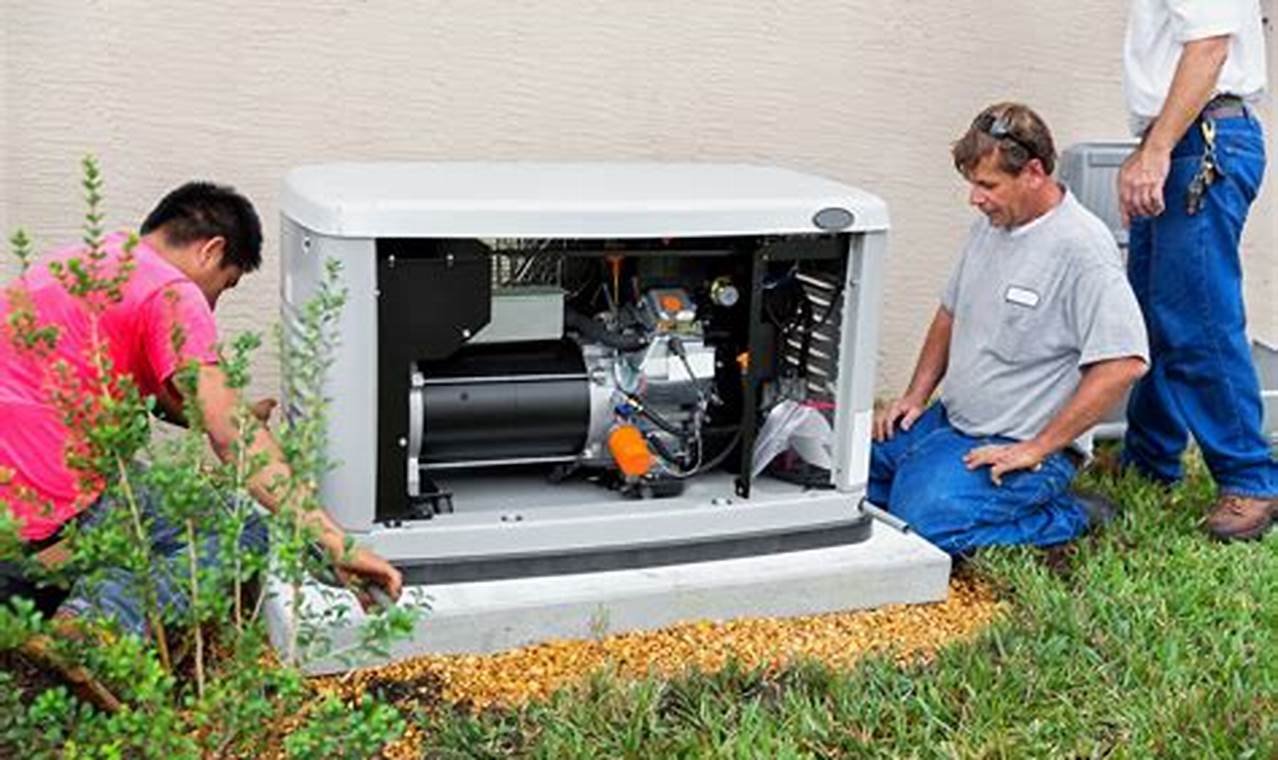
How Does A Portable Generator Work For A House
Okay, let's talk portable generators. Think of them like your trusty, slightly noisy, friend who's always got your back when the lights go out. We've all been there, right? Blazing summer heat, the AC dies, and suddenly, you're sweating through your favorite Netflix binge. Or, a winter storm knocks out power and you're staring at a cold pizza. That's where a portable generator swoops in to save the day!
So, How Does This Magic Box Actually Work?
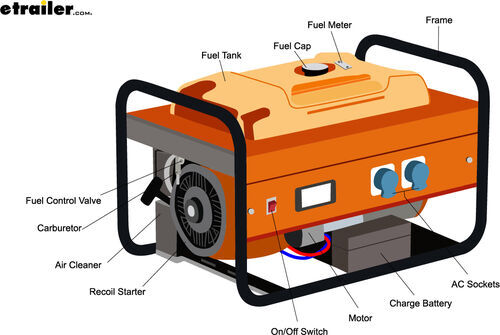
At its heart, a portable generator is a pretty straightforward piece of machinery. Imagine a tiny car engine. That's basically what you've got. This engine burns fuel – usually gasoline, propane, or natural gas – and converts that chemical energy into mechanical energy.
Now, this mechanical energy is then used to spin a device called an alternator. Think of an alternator like a really dedicated hamster on a wheel (a very technical term, I assure you!). As the alternator spins, it creates electricity, which is then ready to power your appliances.
Must Read
Here’s the breakdown:
- Fuel In: You pour gasoline (or propane, etc.) into the tank.
- Engine Starts: You pull the cord (or push a button, if you're fancy) and the engine roars to life (well, maybe more of a rumble).
- Alternator Spins: The engine turns the alternator.
- Electricity Out: The alternator generates electricity.
- Power On!: The electricity flows through the generator's outlets, ready to power your stuff.
It’s really that simple! Think of it like baking a cake: you put in ingredients (fuel), mix them together (the engine turning), and out comes something delicious (electricity!).
Connecting It All To Your House: A Few Crucial Points
Now, simply plugging your phone charger into the generator isn't going to power your whole house (sadly). To safely and effectively use a portable generator for your home, you'll need a bit of planning and possibly some help from a qualified electrician. Safety is key here – we want to keep that Netflix binge comfortable and safe!
Here are a couple of common methods:
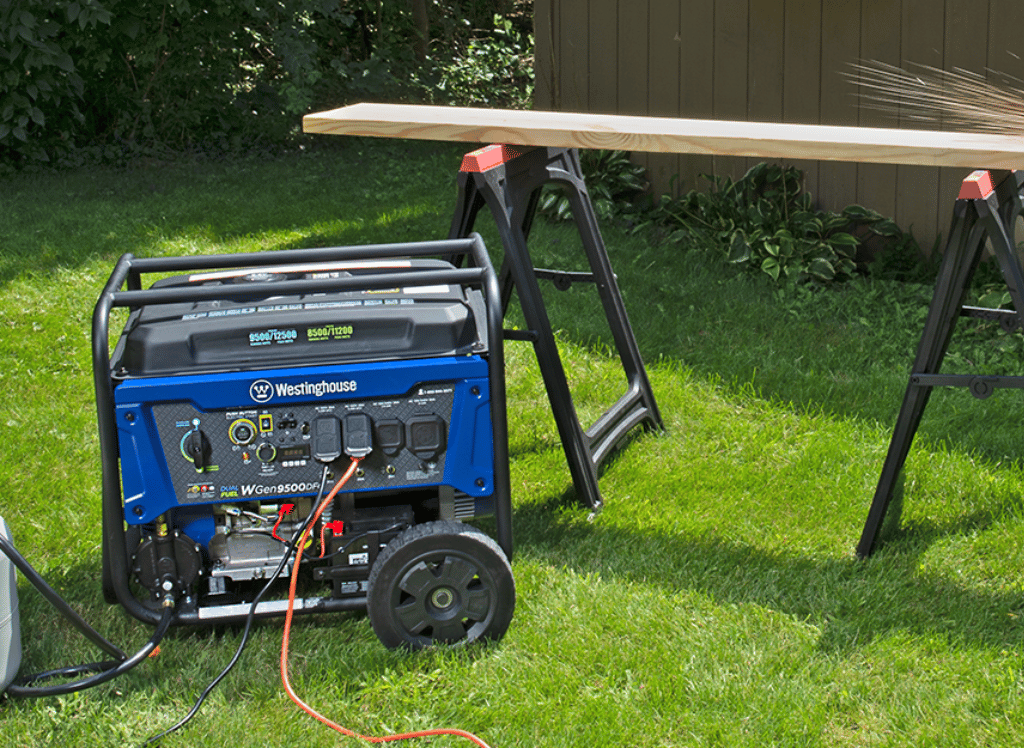
1. Extension Cords: This is the most basic way. You run extension cords from the generator's outlets to the appliances you want to power. This works great for a lamp, a fan, or charging your phone. Just be sure to use heavy-duty outdoor-rated extension cords and avoid overloading the generator.

2. Transfer Switch: This is the safer and more professional option. A transfer switch is installed by an electrician and connects your generator directly to your home's electrical panel. It allows you to select which circuits in your house you want to power with the generator, preventing the generator's power from feeding back into the power grid (which is dangerous for utility workers!). Imagine it like a master control panel that lets you choose which rooms get the juice.
Why is a transfer switch better? It prevents backfeeding, as mentioned, which is crucial. It also makes it easier to power multiple circuits at once, and keeps you from running a tangled web of extension cords through your house. Plus, it's just generally safer and more convenient in the long run. Think of it as upgrading from a bicycle to a car – both get you there, but one is way more comfortable and efficient.
Why Should You Care? (Besides Avoiding Cold Pizza)
Okay, so a generator can power your fridge and keep your food from spoiling. Great! But there's more to it than just preventing food waste. Think about:
- Medical devices: If someone in your family relies on medical equipment that requires electricity, a generator could literally be a lifesaver.
- Security systems: Keep your home secure even during a power outage.
- Staying connected: Power your Wi-Fi router and stay in touch with the world (or, you know, watch more Netflix).
- Peace of mind: Knowing you have a backup power source can reduce stress and anxiety during emergencies.
Investing in a portable generator is like buying a little bit of security and independence. It's about being prepared, being self-sufficient, and having the ability to keep your life running smoothly even when the unexpected happens. Plus, let's be honest, being the hero who has power when everyone else is in the dark is a pretty good feeling!
Just remember to read the manual, understand your generator's capabilities, and prioritize safety. A little preparation can go a long way in making sure your trusty friend is ready to jump into action when you need it most.