How Does A Nuclear Reactor Produce Electricity
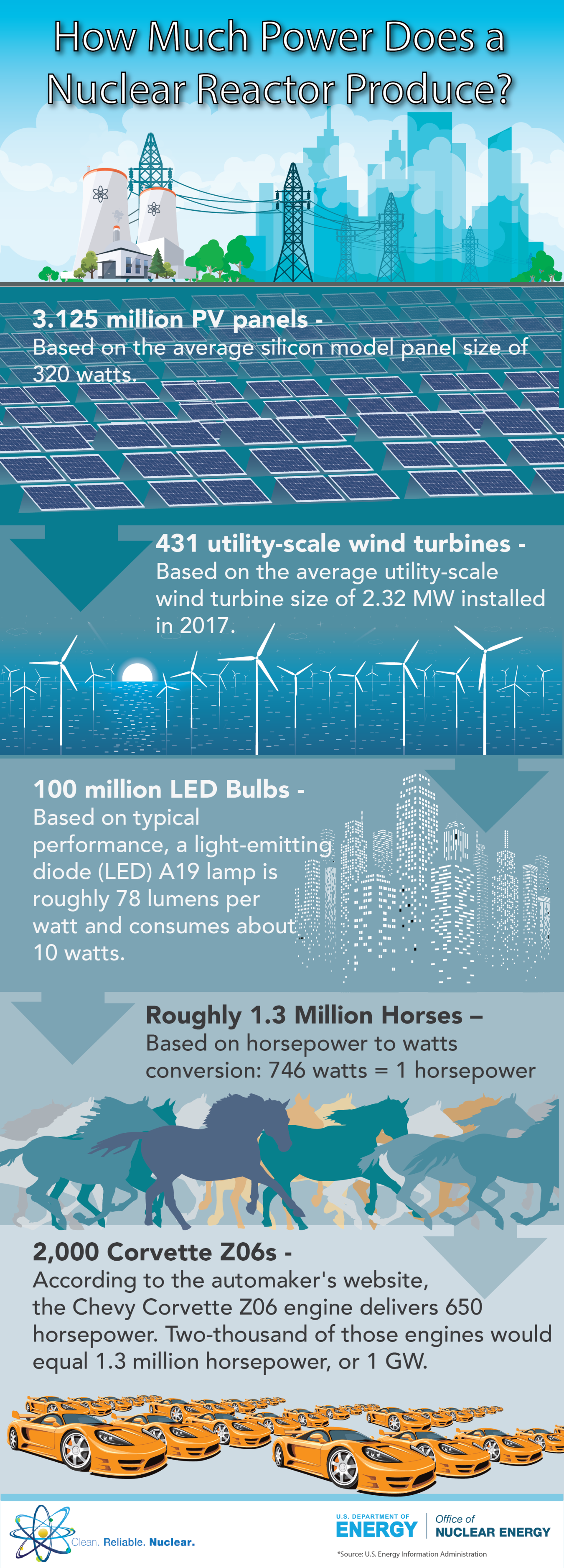
Hey there, curious mind! Ever stare at your phone charging, your lights flickering on, or your morning coffee brewing, and wonder, "How in the world does this magical electricity actually get to me?" We often take power for granted, but behind every flick of a switch is a fascinating story. And today, we're going to dive into one of the most intriguing chapters: how a nuclear reactor produces electricity. Don't worry, we're not talking about super-secret government labs or sci-fi movie explosions here; we're talking about brilliant science making our everyday lives brighter and, dare I say, a lot more fun!
It All Starts with a Tiny, Atomic "Crack!"
At the heart of a nuclear reactor is something called nuclear fission. Sounds fancy, right? But it's actually quite elegant. Imagine you have a special kind of atom, usually Uranium-235. This atom is a bit like a tiny, unstable bowling pin. Now, introduce an even tinier bowling ball – a neutron – and give it a gentle nudge. When this neutron hits the Uranium atom, that atom gets so excited (or unstable, rather) that it actually splits apart! This is the "fission" part, literally cracking the atom open.
When the Uranium atom splits, it doesn't just vanish into thin air. Oh no, it releases two amazing things: smaller atoms (which are often radioactive, but we’ll get to how we manage that!) and, crucially for us, a whole lot of heat energy. And guess what else it releases? More neutrons! These new neutrons then go on to hit other Uranium atoms, causing them to split, releasing more heat and more neutrons. See a pattern forming? This is called a chain reaction, and it's the core principle of how a reactor works. It's like a perfectly controlled, atomic domino effect!
Must Read
Turning Atomic Warmth into Watts
So, we've got this incredible, ongoing atomic chain reaction creating a tremendous amount of heat. Now what? Well, this is where the nuclear part of the equation steps aside, and things start to look a lot like a conventional power plant. That intense heat is used to warm up a lot of water. And I mean, a LOT of water!
This superheated water turns into steam – incredibly hot, high-pressure steam, mind you. Think of it like a giant, super-efficient kettle! This powerful steam is then directed to spin a massive machine called a turbine. Imagine a huge fan, but instead of blowing air, it's being spun by steam. As the turbine spins, it's connected to another clever device called a generator. And voilà! The generator takes that mechanical spinning energy and magically (okay, scientifically) converts it into electricity!
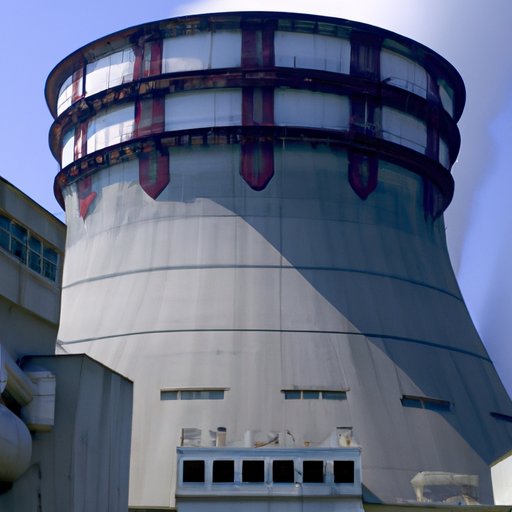
The steam, having done its job, is then cooled down, condensed back into water, and sent back to be heated up again, completing the loop. It’s an incredibly efficient dance, a continuous cycle of heat, motion, and conversion, all thanks to those tiny, splitting atoms.
Keeping it Safe and Sound
Now, you might be thinking, "Splitting atoms and chain reactions? Sounds a bit wild!" And you're right, it's powerful stuff, which is precisely why nuclear reactors are engineered with an incredible level of safety and precision. To control that chain reaction, engineers use things called control rods. These rods are like giant atomic sponges, designed to absorb excess neutrons. Want more power? Pull them out a bit. Need to slow things down or stop the reaction? Insert them further. It's all about fine-tuning that atomic dance.

Every nuclear power plant is built with multiple layers of safety, robust containment structures, and highly trained professionals constantly monitoring every single parameter. It’s a testament to human ingenuity and our ability to harness immense natural forces for the good of society, ensuring that the power flowing to your home is not just abundant, but also incredibly secure.
Why Does Knowing This Make Life More Fun?
Understanding how nuclear reactors work isn't just for scientists in lab coats! It’s for you. It’s for anyone who loves a good story about human ingenuity and the incredible power of the natural world. Knowing that the light illuminating your book or the screen you're reading this on comes from tiny atoms splitting in a controlled dance is, frankly, pretty mind-blowing!

It's about appreciating the hidden wonders that power our modern world. It transforms something abstract like "electricity" into a tangible, awe-inspiring process. It sparks curiosity, challenges preconceived notions, and connects us to the brilliant minds that have pushed the boundaries of what's possible. And isn't that what makes life truly vibrant and interesting?
So, the next time you plug in your phone or switch on a light, take a moment. Remember the tiny atoms, the powerful steam, and the ingenious engineering that brought that energy to you. It's not just power; it's a symphony of science, a beacon of human innovation, and a reminder that the universe, even at its smallest scale, holds infinite wonders waiting to be discovered. Go forth and be curious – the world is full of amazing things!