
How Does A Geothermal Plant Work
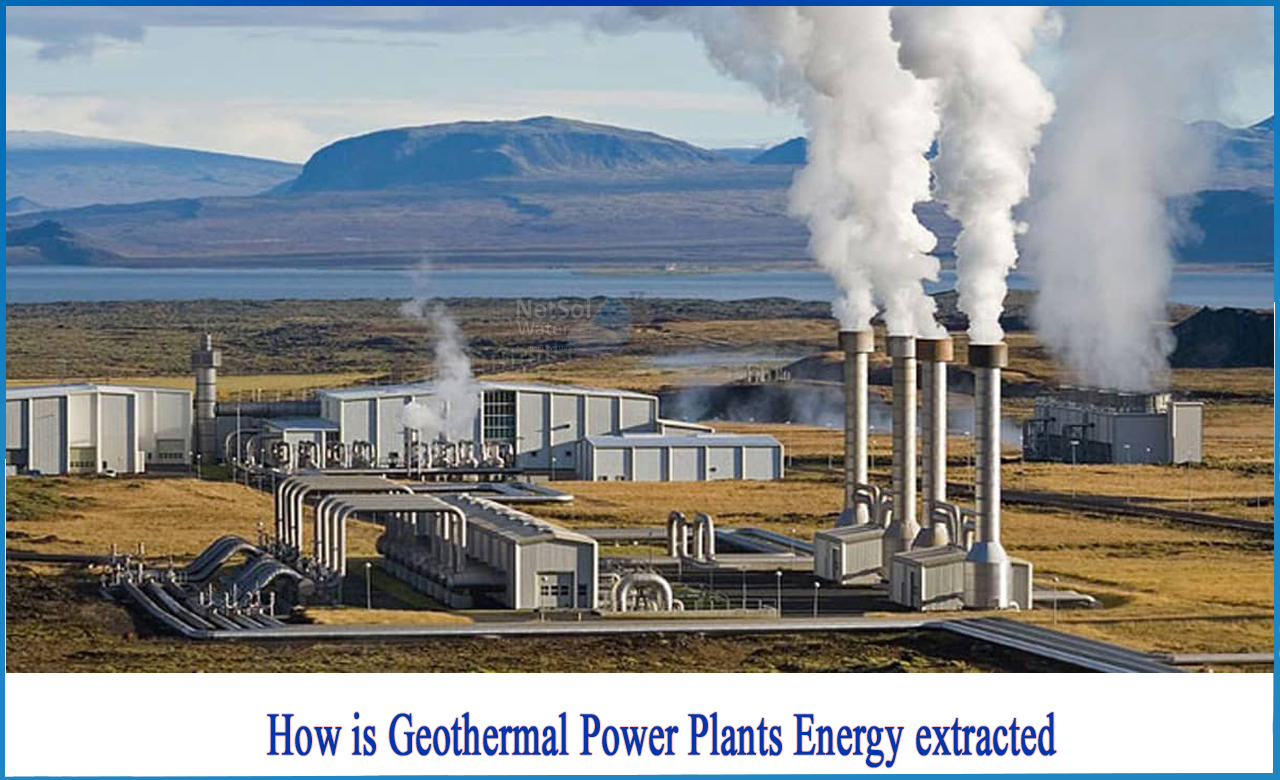
Ever wonder about those geothermal plants? You know, the ones that sound super sci-fi, like they’re pulling energy straight from the center of the Earth? Well, spoiler alert: they kinda are! But maybe not with a giant hose and a straw. More like a very, very clever plumbing system. Let’s grab a virtual coffee and chat about how these cool contraptions actually work, shall we?
It All Starts Underground (Obviously!)
Okay, first things first. The Earth, our big blue marble, is surprisingly toasty once you get past the surface. Like, molten-rock-lava-hot in its core. This heat radiates outwards, warming up rocks and water much closer to us than you’d think. We’re talking a few kilometers down, not all the way to the very center. Think of it as a giant, never-ending underground sauna, but instead of people sweating, it’s water heating up.
So, the clever bit? Geothermal plants tap into this natural heat. They're basically saying, "Hey Earth, mind if we borrow some of that internal furnace action for a bit?"
Must Read
Drill, Baby, Drill (But Nicely!)
To get to this glorious underground hot zone, you guessed it, we gotta drill. Engineers sink deep wells – sometimes over two miles deep! – down into areas where there are hot, permeable rocks and water. These spots often have natural fractures, making it easier for the hot stuff to rise. It's not just any old spot; they have to find the Goldilocks zone: hot enough, wet enough, and permeable enough.
Imagine poking a really, really long straw into a giant, naturally occurring hot spring that’s just super far down. That's kinda the vibe.

Steam Power: The Real MVP
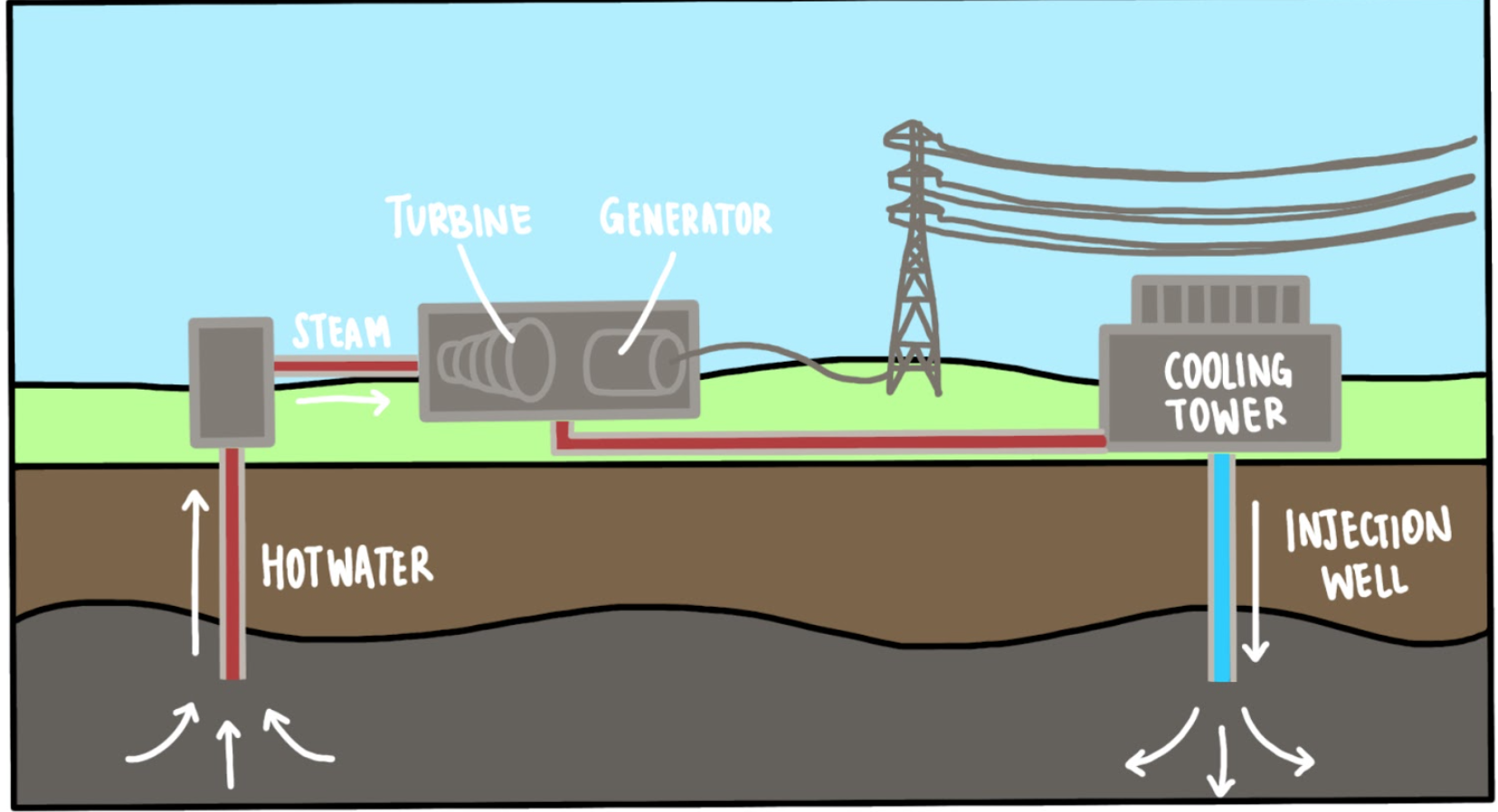
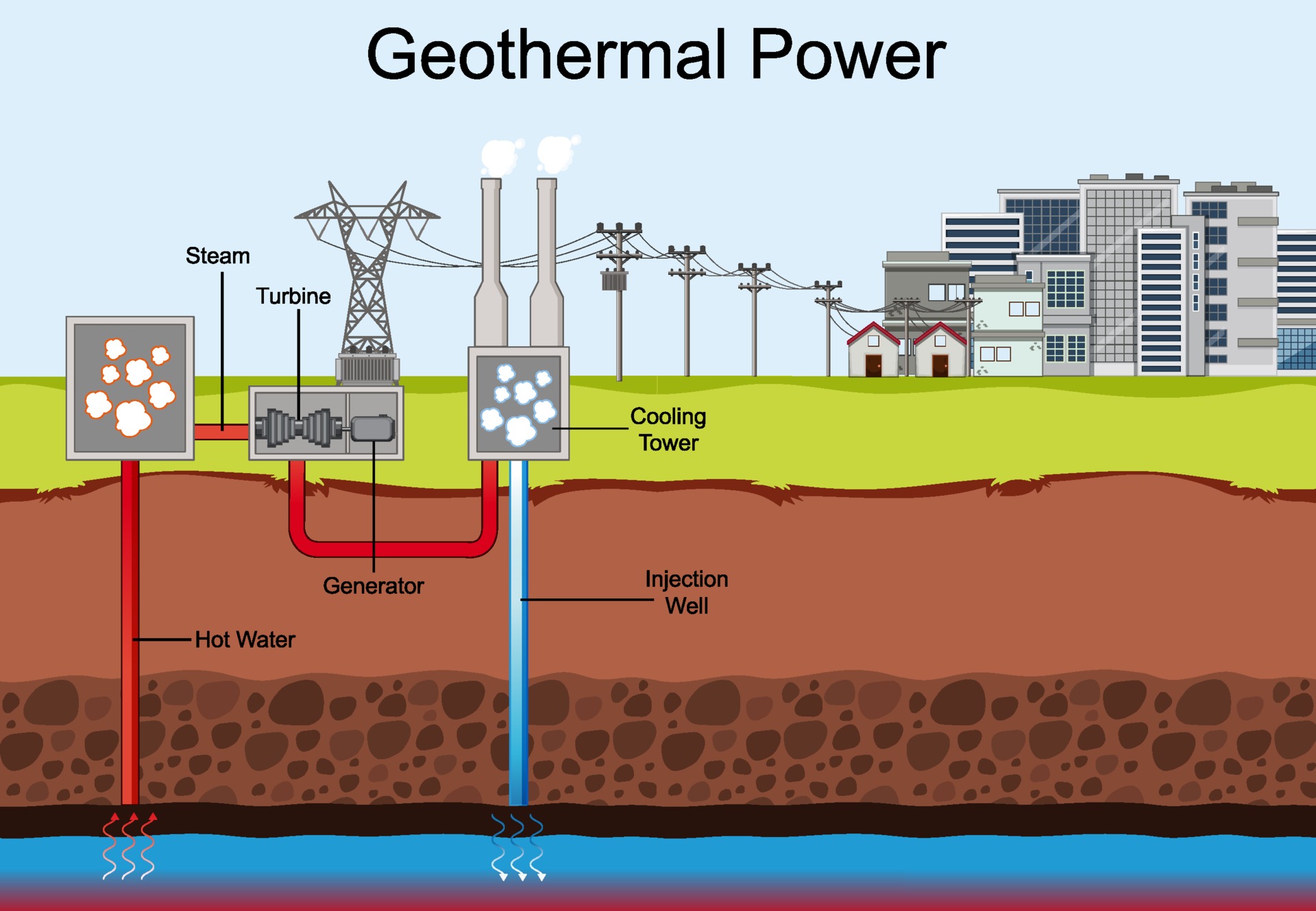
Once they hit that sweet, sweet hot water (or steam, depending on how toasty it is), it’s showtime! This superheated water is usually under immense pressure. When it’s brought up to the surface, that pressure drops, and what happens? It flashes into steam! Think of it like a giant pressure cooker releasing its lid, but way more powerful. This isn't just a little puff; we're talking a substantial amount of high-pressure steam.
And what do we love about steam? It can make things spin! We’re talking turbines, my friend.
Spin Me Right Round, Baby, Right Round
That powerful steam is directed straight at a turbine. Turbines are basically giant pinwheels, right? The steam pushes on the turbine blades, making them spin incredibly fast. And what’s hooked up to that spinning turbine? You guessed it: a generator.
This is where the magic (aka physics) happens. When the generator spins, it creates electricity. Ta-da! Clean, green electricity generated purely from the Earth’s natural warmth. Isn't that just incredibly neat? No burning fossil fuels, no scary nuclear waste (well, in the usual sense), just good old Earth-heat.
The Grand Re-Injection: Recycling!
So, what happens to the steam after it’s done its hard work spinning the turbine? Does it just float away into the atmosphere, like a ghostly power source? Nope! That would be a waste of perfectly good (though now cooler) water.

After the steam has passed through the turbine, it’s condensed back into water. Then, here's the really smart part: that water is pumped back down into the Earth through another injection well. Why? To get reheated! It's like a perpetual hot water bottle, constantly refilled and warmed up by the Earth itself. This closed-loop system is super environmentally friendly because it replenishes the underground reservoir and prevents any significant water loss.
It’s literally the ultimate "reduce, reuse, recycle" model, but for energy!
A Couple of Different Flavors (Briefly!)
While the basic principle is always about using Earth's heat, there are a few types. The one I just described, where hot water flashes to steam, is called a flash steam plant. There are also binary cycle plants, which use the hot geothermal water to heat a different liquid with a lower boiling point. That other liquid then turns to vapor, spins the turbine, and keeps the geothermal water separate. It's like a heat exchange party! Both get the job done, just with slightly different dance moves.
Why Geothermal Rocks Our Socks Off
So, why should we care about this deep-earth energy? Well, for starters, it’s renewable. The Earth’s heat isn’t going anywhere anytime soon. It’s also incredibly reliable; it doesn't depend on the sun shining or the wind blowing. It's on 24/7, powering homes and businesses with a pretty minimal environmental footprint.
It's basically the silent, steady superhero of the renewable energy world, just quietly doing its thing, deep underground, while we sip our coffee up here. Pretty cool, right?