How Does A Generator Work To Produce Electricity

Ever wondered how you can have lights on even when the power company is taking a nap? It's all thanks to a fascinating invention: the generator! Think of it as your own personal electricity factory. It's not magic, but it's pretty darn close.
The Big Secret: Turning Motion into Power!
The heart of a generator is a clever trick. It takes good old mechanical energy – things spinning and moving – and transforms it into electrical energy. How? By using the mind-bending principles of electromagnetism. Don't worry, we'll keep it simple. Imagine a tiny dance party between magnets and wires.
Specifically, it’s about electromagnetic induction. Sounds intimidating, right? But hold on. This just means that when you move a wire near a magnet (or a magnet near a wire – it's a two-way street!), you create electricity! It's like shaking hands and suddenly having a light bulb turn on. Okay, maybe not that instantly, but you get the idea.
Must Read
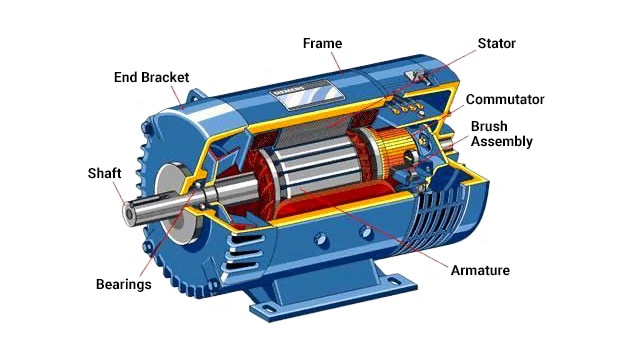
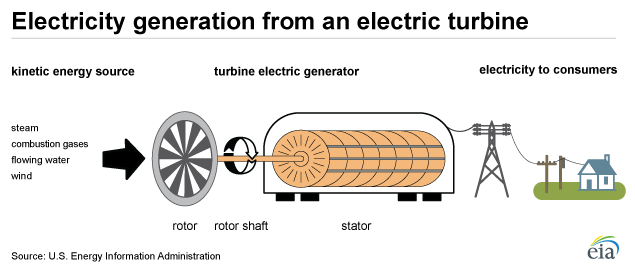
Most generators use an engine, often powered by gasoline, diesel, or even natural gas, to crank a shaft. This shaft is connected to… you guessed it… magnets and coils of wire. The engine spins the magnets, and as the magnets whirl around, they create an electrical current in the wire. It's a beautifully orchestrated electrical ballet!
Meet the Key Players: Magnets and Coils
Let’s break down the stars of this show. First up, we have the magnets. These guys are like tiny powerhouses, creating a magnetic field. Think of it as an invisible force field that's constantly pushing and pulling.

Next, we have the coils of wire, usually made of copper. These are the conductors, the pathways for the electricity to flow. They're strategically placed within the magnetic field, ready to catch the electrical current generated by the magnet's spinning dance.
The magic really happens when the magnetic field interacts with the wire. As the magnets spin, they cause electrons (tiny particles carrying a negative charge) in the wire to move. This movement of electrons is electricity! It's like herding tiny electric sheep through a copper pen.
From Spinning to Powering Your Gadgets
So, the engine spins the magnets, the magnets generate electricity in the wires, but how does that electricity get to your phone or your fridge? That's where the generator's output comes in. The electrical current generated is channeled through wires to an outlet, ready to power whatever you plug in.
It’s worth mentioning that generators also have some clever components for regulating the voltage and frequency of the electricity they produce. You wouldn’t want your sensitive electronics getting a jolt of inconsistent power! These regulators ensure a smooth and stable flow of electricity, keeping your devices happy and humming.
Why Generators Are Awesome (and a Little Bit Heroic)
Generators are way more than just backups for when the power goes out. They’re essential for construction sites, outdoor events, and even remote locations where access to the electrical grid is limited or non-existent. Think about it: concerts in the park, camping trips with all the comforts of home, emergency services during natural disasters – all often powered by generators!

They are like the unsung heroes of modern life. They hum quietly in the background, providing us with the power we need to keep going, even when the lights go out elsewhere.
Want to Know More?
If you're feeling adventurous, there are tons of resources online where you can dive deeper into the science behind generators. You can even find DIY generator projects! (Just be sure to be super careful and follow all safety guidelines.)
Understanding how a generator works demystifies electricity. It turns what seems like a magical force into a tangible, understandable process. So, the next time you hear the rumble of a generator, you’ll know exactly what’s going on inside. You'll know that it is just the fascinating dance of magnets and wires, turning motion into the power that keeps our world humming.