
How Does A Carbon Monoxide Alarm Sound
Alright, let's get real for a sec. You know that sound, right? That ear-splitting, jump-out-of-your-skin shriek that means danger? We're talking about alarms! But not just any alarm. Today, we're diving deep into the surprisingly fascinating world of the Carbon Monoxide (CO) alarm sound. Because, honestly, it’s a bit of an unsung hero, and its sound design is pure genius.
Think about it. We all know the smoke alarm screech. It’s a classic, a timeless siren of trouble. But the CO alarm? It's often confused, often overlooked, and yet its sound is just as, if not more, critical. Plus, it's kinda fun to talk about because it's so specific!
The Big Reveal: What Does It Actually Sound Like?
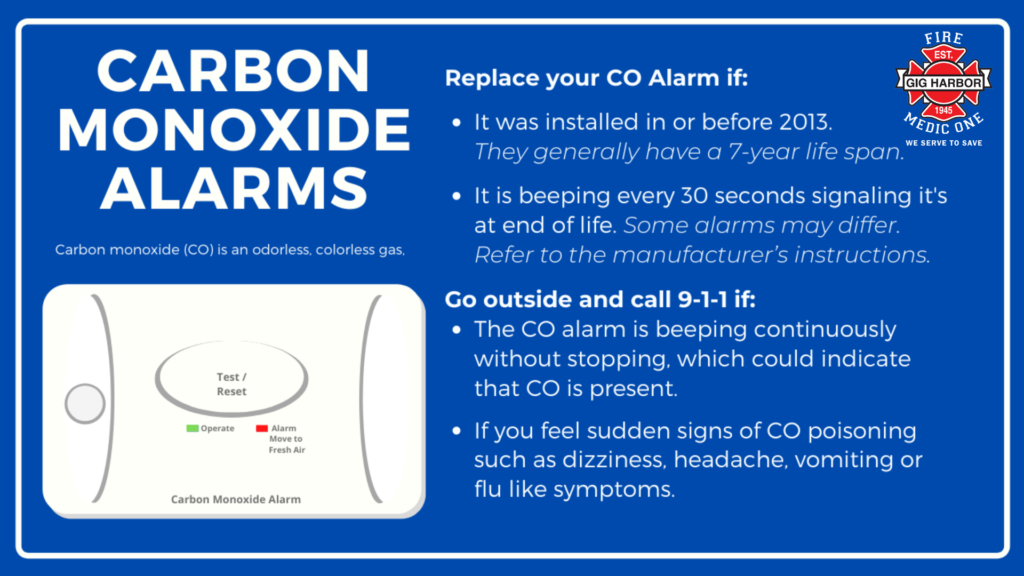
Okay, drumroll please! If you've ever heard a CO alarm go off, you know it’s not subtle. It's designed to grab your attention like a toddler with a permanent marker near a white couch. Most CO alarms follow a very distinct pattern: four quick beeps, followed by a five-second pause. Then, it repeats. And repeats. And repeats. Until you either address the issue or want to pull your hair out.
Must Read
It's not just a random sequence. Oh no, there's science behind the madness! Those four quick beeps are often at a high frequency, designed to cut through sleep, background noise, and even walls. It’s like the alarm is saying, "HEY! PAY ATTENTION! THIS IS IMPORTANT!" in Morse code for danger. It truly wants to be heard!
Why four beeps, you ask? Well, it's often to differentiate it from other alarms. A smoke alarm, for instance, typically does three long beeps. So, if you hear four, your brain should immediately shift gears from "fire!" to "invisible killer gas!" Pretty clever, huh? This specific pattern is no accident; it’s a deliberate design choice.
Why So Specific? The Quirky Logic
Here’s where it gets quirky. Carbon monoxide is often called the "silent killer." It's colorless, odorless, and tasteless. You can't see it, you can't smell it, you can't taste it. It’s basically a ninja gas, sneaking around your home without a trace. So, the alarm has to be the opposite of silent. It has to be an absolute banshee to compensate for CO's sneakiness.
The sound isn't just loud; it's also designed to be annoying. And guess what? That's a feature, not a bug! The human brain is wired to respond to repetitive, high-pitched, irritating sounds. It’s like a mosquito buzzing in your ear – you just can’t ignore it. This annoyance factor is literally a lifesaver. You can’t snooze this alarm!
Ever hit the "test" button on your CO alarm? The sound it makes is usually the same pattern as a real alert, just for a shorter duration. It's like a mini-rehearsal for the main event. So, when it really counts, your ears are already somewhat familiar with the sonic emergency signal. Smart! It’s preparing you without even realizing it.

Smoke vs. CO: The Great Sound Showdown
Let's clear up a common misconception, because this is where the fun really begins! Many people think all alarms sound the same. Nope! While both are loud and startling, they have distinct voices. As we mentioned, smoke alarms often use a pattern of three long beeps. Think "beep-beep-beep... pause... beep-beep-beep." It's a classic for a reason.
CO alarms, on the other hand, scream "beep-beep-beep-beep... pause... beep-beep-beep-beep." See the difference? One extra beep means a whole different kind of silent danger. It’s like the secret handshake of emergency signals. Knowing this subtle difference could literally save your life or prevent an unnecessary panic attack about a burnt toast incident. Every beep has a purpose!
It’s a bit like comparing two different rock bands. Both are loud, both play guitars, but their specific riffs and drum patterns tell you exactly who you're listening to. The CO alarm has its own distinct riff, one that means "get out, ventilate, call for help!" It's a crucial distinction in an emergency.

Beyond the Beep: Fun Facts About Alarms
Did you know that the actual frequency of these alarms can vary slightly? While they all aim for that high-pitched, attention-grabbing range (often around 3100 Hz), different manufacturers might tweak it. It’s like each brand has its own unique vocal chords, but they all sing the same emergency tune. They all deliver that same urgent message.
And here’s a funny thought: imagine the engineers tasked with designing the perfectly annoying sound. They probably spent hours listening to different pitches and patterns, trying to find the ideal balance between startling and informative. It’s a job where being irritating is actually a badge of honor! A true hero's work, if you ask us.
Also, don't forget the batteries! A low battery warning for a CO alarm usually sounds different from the actual CO alert. It's often a single chirp every 30-60 seconds. So, if you hear a lonely chirp, it's not CO, it's just your alarm complaining about being hungry. Still, important to address! Don’t ignore those little chirps!

So, What's the Takeaway?
The sound of a carbon monoxide alarm isn’t just noise. It’s a brilliantly engineered audio signal, designed with a specific purpose: to save your bacon from an invisible threat. It's loud, it's repetitive, it's distinct, and yes, it's a little bit annoying. But that annoyance is its superpower! It’s designed to cut through anything.
Next time you hear an alarm, or even just hit that test button, take a moment to appreciate the genius behind that specific sequence of beeps. It’s a testament to how something so simple can be so incredibly vital. Go test yours! Listen closely. You might just learn something cool about the sound that could one day be the most important sound you ever hear. Knowledge is power, even when it comes to beeps!
Stay curious, stay safe, and keep those ears open for the four-beep warning!