How Do You Tell When A Car Seat Expires
Ah, the trusty car seat! It’s an essential piece of baby gear we all rely on to keep our precious cargo safe. We spend hours researching the perfect model, agonizing over installation, and breathe a sigh of relief once our little one is snugly buckled in. But here's a secret that often takes parents by surprise: just like that gallon of milk in your fridge, car seats don't last forever. That's right, they have an expiration date! And discovering this can be a real "aha!" moment for many caregivers.
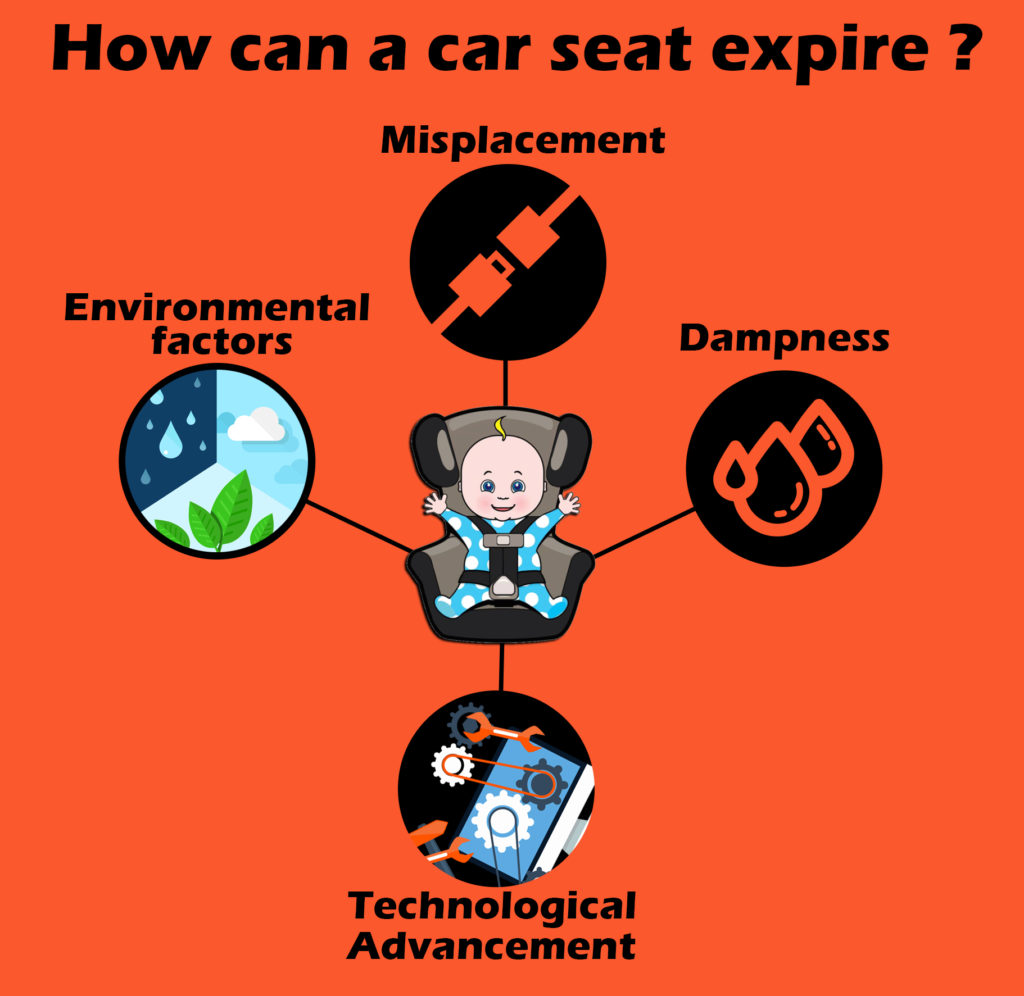
Now, you might be thinking, "Why on earth would a car seat expire?" It's not like it's a perishable food item! The truth is, car seats are complex safety devices designed with specific materials and engineering tolerances that degrade over time. Over time, exposure to extreme temperatures inside a car, UV rays from the sun, and daily wear and tear can weaken the plastic components. Even minor stresses, like daily buckling and unbuckling, contribute to this breakdown. Furthermore, safety standards evolve, and a seat manufactured several years ago might not meet the latest, more rigorous requirements. Knowing how to tell when your car seat expires isn't just quirky trivia; it’s a crucial step in ensuring your child's continued safety and protection on every single journey.
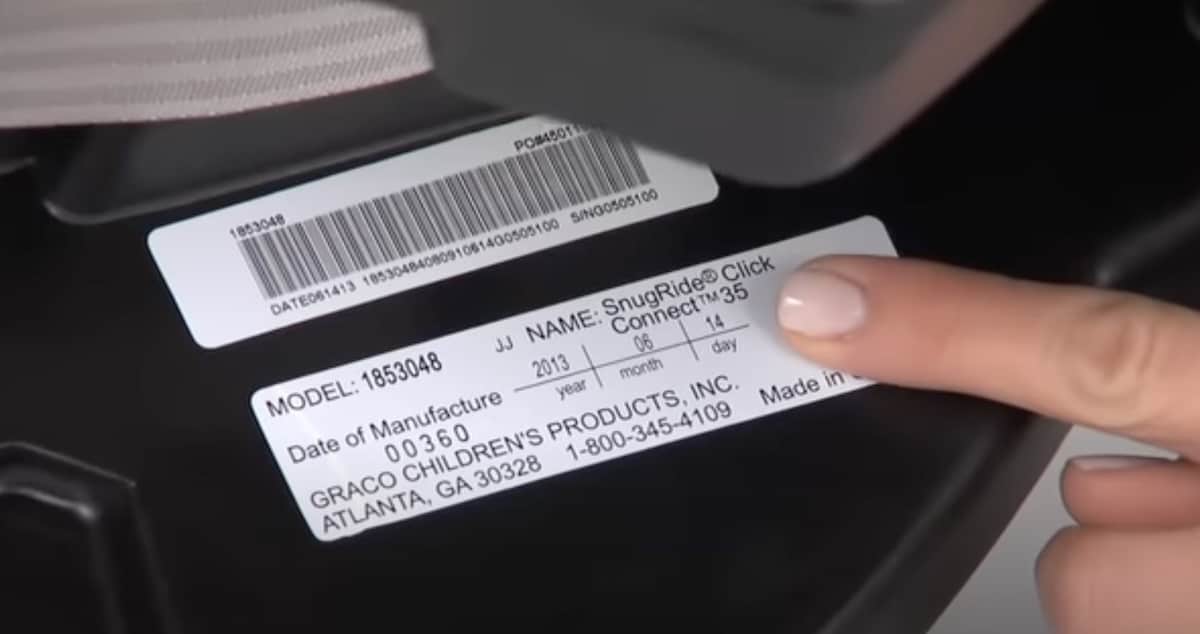
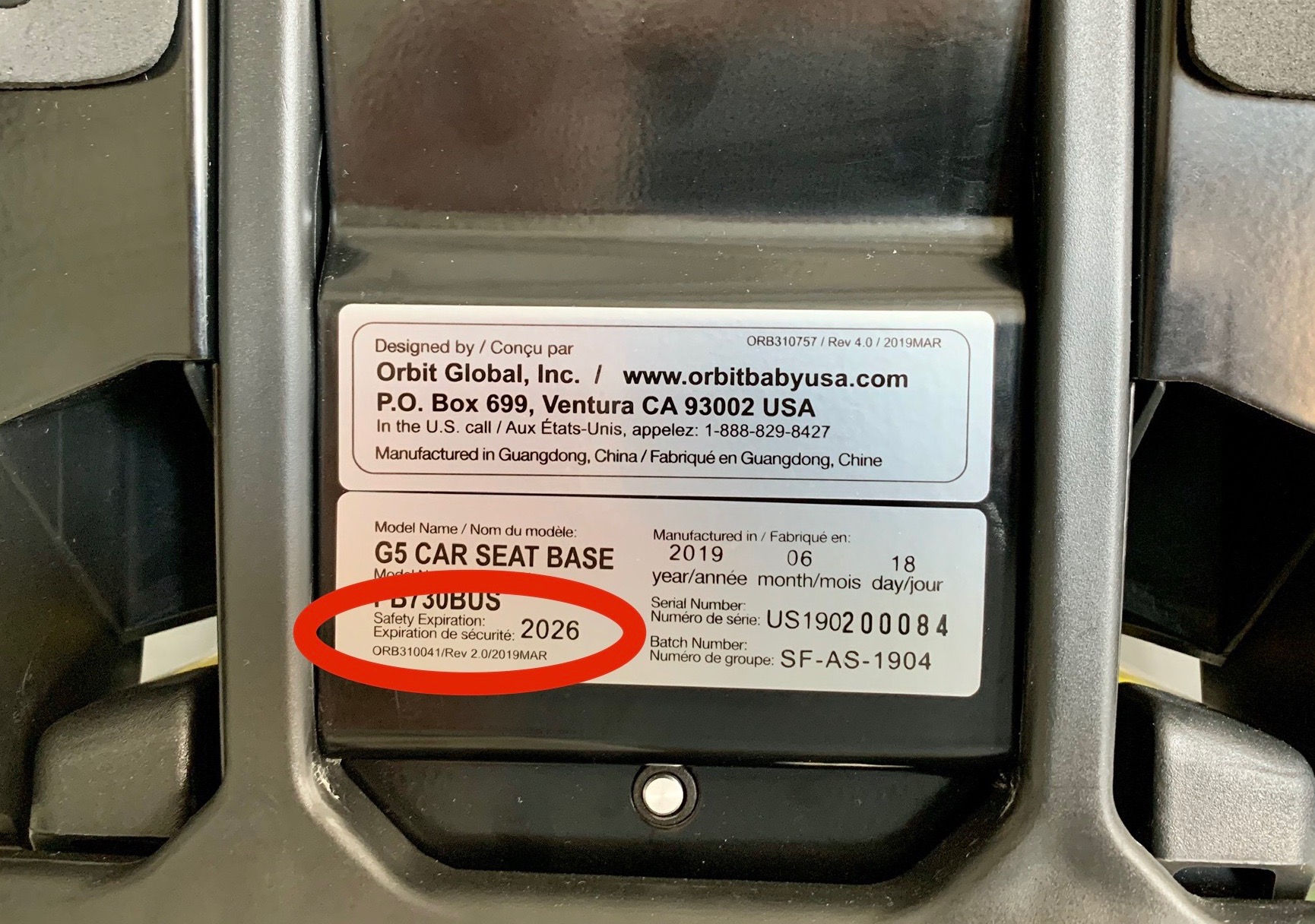
So, how do you uncover this mysterious date? It's usually far simpler than you might imagine, often requiring nothing more than a quick look and maybe a little detective work. The first place to check is the car seat itself. Manufacturers are required to stamp or label the seat with this vital information. You'll typically find it on a sticker or embossed directly into the plastic on the bottom, side, or back of the car seat's shell or base. Sometimes, it’s even located on the warning labels sewn into the fabric cover.
Must Read
What exactly are you looking for? Primarily, two key dates:

- The Date of Manufacture (DOM) or Manufacturing Date (MFG Date).
- The Expiration Date or “DO NOT USE AFTER” date.
Some seats will explicitly state an expiration date, making your job super easy. It might say something like "Expires: 12/31/2028." For other seats, you might only find the manufacturing date, requiring you to calculate the expiration yourself. Most car seats are designed to last between six to nine years from their manufacture date. However, this isn't a universal rule, so it's absolutely crucial to check your specific car seat's owner's manual. This manual is your ultimate guide and will provide the precise lifespan for that particular model.
If for some reason you can't find the label, or it's faded and unreadable, don't panic! Your next best step is to consult the car seat manufacturer's website. They often have FAQs or contact information where you can look up your seat by model number or manufacturing date to confirm its lifespan. Remember, an expired car seat might not show visible signs of damage, but its internal structure and materials could be compromised, rendering it less effective in a crash. Replacing an expired car seat is a small but vital investment in your child's safety and your peace of mind. So go ahead, flip that seat over, grab your manual, and ensure your little co-pilot is riding in safe, non-expired style!