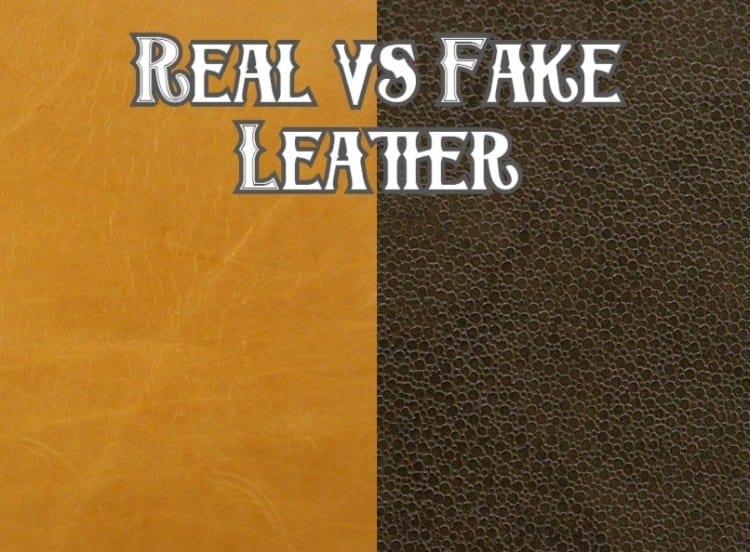
How Do You Tell Real Leather From Fake
Ever wondered if that snazzy new bag is actually the real deal? Or if that vintage jacket you scored at the thrift store is truly leather? Figuring out if it's real leather or a clever imposter can feel like cracking a secret code. But don't worry, it's easier than you think! And honestly, knowing how to spot the difference is pretty darn cool. Think of it as leveling up your consumer skills!
The Allure of Leather: Why Bother?
Okay, first things first, why even care? What's the big deal about real leather anyway? Well, for starters, it's all about the quality. Real leather is durable, like a trusty old friend that's going to be around for the long haul. It ages beautifully, developing a unique patina over time – kind of like how your favorite jeans get even better with wear. Fake leather? Not so much. It tends to crack, peel, and generally look sad and worn out much faster.
And then there's the feel. Real leather has a certain je ne sais quoi – a suppleness and richness that's hard to replicate. It breathes, which means it's more comfortable to wear. Think of it like the difference between wearing a silk scarf and a polyester one. Which one would you choose?
Must Read
The Ultimate Detective: Your Senses to the Rescue!
Alright, let's get down to the nitty-gritty. How do you actually tell the difference? Time to unleash your inner Sherlock Holmes! Here are a few clues to look for:
The Sniff Test: Trust Your Nose!
This might sound weird, but seriously, give it a whiff! Real leather has a distinctive, natural smell – earthy and almost a bit musky. Fake leather, on the other hand, often smells like plastic or chemicals. Think of it as the difference between the aroma of a saddle and the scent of a new inflatable pool toy. Can you tell the difference?

The Texture Tango: Feel the Difference!
Run your fingers over the surface. Real leather has a natural grain and texture. It's not perfectly uniform. You might see small imperfections, wrinkles, or even scars – these are all signs of authenticity. Fake leather tends to be smooth and almost too perfect, like it was made in a lab (well, because it probably was!). Think of it as comparing the texture of a hand-thrown pottery bowl to a mass-produced ceramic one. One has character, the other...not so much.
The Edge Examination: A Close Look!
Take a peek at the edges of the material. Real leather has a rough, fibrous edge. Fake leather usually has a clean, finished edge, often with visible stitching. Think of it like looking at the edge of a slice of whole-wheat bread versus a slice of white bread. Which one looks more "real"?
The Water Works: A Risky Test (Proceed with Caution!)
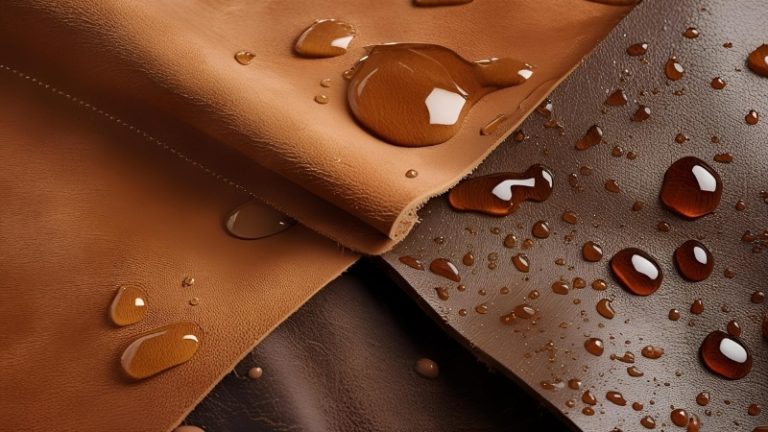
This one is a bit riskier, so do it sparingly and on an inconspicuous area. Put a tiny drop of water on the surface. Real leather will absorb the water, leaving a darker spot. Fake leather will usually repel the water, and the drop will just sit on the surface. Think of it like testing the absorbency of a paper towel versus a piece of plastic wrap.
The Price Point: You Get What You Pay For?
While not always a foolproof indicator, price can be a clue. Real leather is generally more expensive than fake leather due to the cost of materials and the tanning process. But beware! Some unscrupulous sellers might try to inflate the price of fake leather to trick you. So, use this as one piece of the puzzle, not the definitive answer.
Don't Be Fooled: Common Misconceptions
There are a few common misconceptions about leather that are worth debunking. For example, the presence of a label that says "genuine leather" doesn't automatically mean you're getting top-quality stuff. "Genuine leather" is actually the lowest grade of real leather! Mind blown, right?
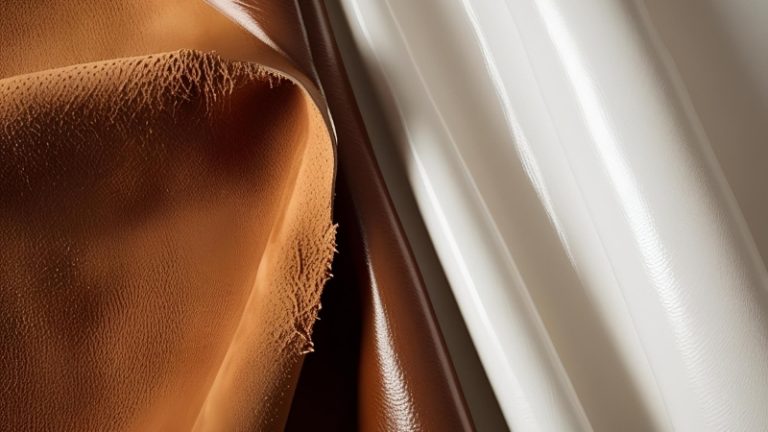
Also, don't be fooled by fancy terms like "bonded leather." Bonded leather is basically leather scraps that have been glued together. It's better than fake leather, but it's definitely not the same as a single piece of high-quality leather.
Become a Leather Pro!
So, there you have it! A few simple tricks to help you distinguish real leather from its imitation counterparts. Remember, practice makes perfect. The more you examine and handle leather goods, the better you'll become at spotting the difference. And hey, who knows? Maybe you'll even become a leather connoisseur! Wouldn't that be something?
Now go forth and shop with confidence! You've got the knowledge, now use it!