
How Do You Say Shut Up In French
Okay, let's be real. We've all been there. You're navigating a bustling Parisian market, or maybe you're at a lively café arguing about the merits of different croissants (a perfectly valid debate, by the way), and you need... a verbal pause button. You need to tell someone to, well, chill out. You need to know how to say "shut up" in French.
But hold on a second. Before we dive into the nitty-gritty, let's acknowledge that saying "shut up" – in any language – can be, shall we say, un peu (a little) rude. So, use these phrases with caution and only when absolutely necessary. Think of them as your linguistic emergency kit, not your everyday conversational tools.
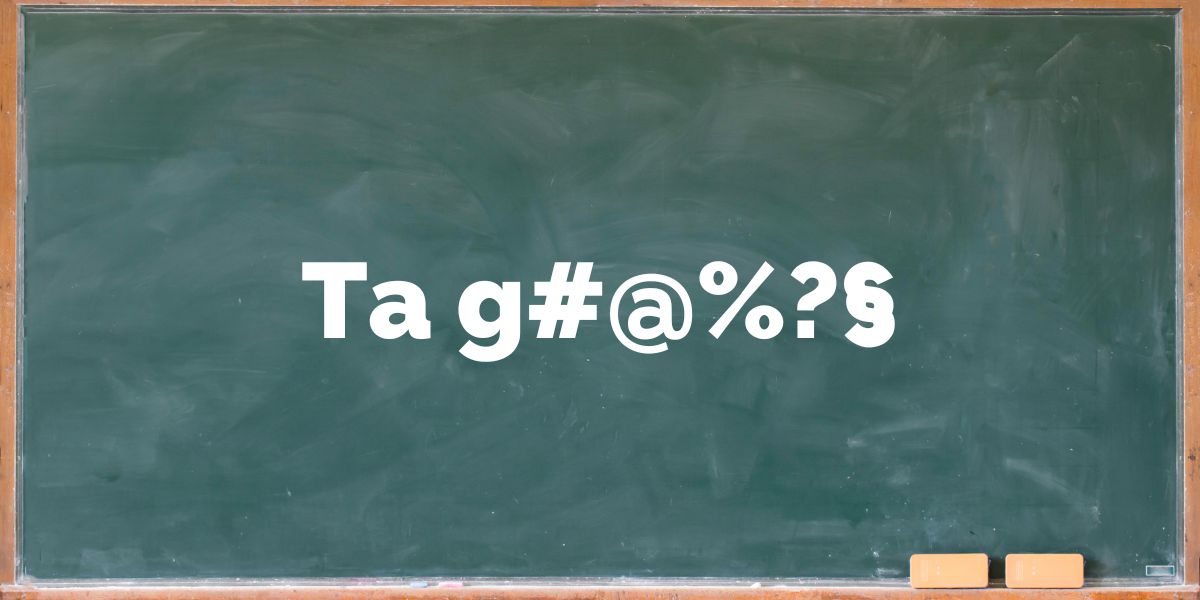
The Direct Approach: "Tais-toi!"
This is your most straightforward translation. "Tais-toi!" (pronounced teh twah) literally means "be quiet!" or "shut yourself up!" It's the closest you'll get to a direct equivalent of "shut up" in English.
Must Read
When to use it: This is best reserved for informal situations with people you know well, and even then, proceed with caution. Think siblings playfully bickering, or close friends teasing each other. Definitely not something you'd say to your boss or a random stranger.
Pro Tip: Adding "s'il te plaît" (please) can soften the blow a tiny bit. "Tais-toi, s'il te plaît!" is still direct, but at least you're attempting politeness.
Upping the Ante: "La ferme!"
Now we're getting into slightly stronger territory. "La ferme!" (pronounced la fairm) literally translates to "the farm!" But figuratively, it means "shut up!" or "shut your mouth!" Think of it as the French equivalent of saying "shut your trap!"
When to use it: Definitely more aggressive than "Tais-toi!" Use this sparingly, and only when you're truly annoyed. Imagine a situation where someone is repeatedly interrupting you or being deliberately obnoxious. "La ferme!" might be your (last resort) response.
Cultural Note: There's a slightly agricultural vibe to this expression. It's not exactly refined, but it's definitely effective.

A More Polite (and Creative) Approach: "Tu peux te taire, s'il te plaît?"
If you're aiming for politeness, this is your best bet. "Tu peux te taire, s'il te plaît?" (pronounced tu puh tuh tair, seel tuh প্লে) translates to "Can you be quiet, please?" It's a more roundabout way of asking someone to be silent, and the "s'il te plaît" (please) adds a crucial layer of courtesy.
When to use it: This is perfect for situations where you need someone to be quiet without being overtly rude. Think a loud moviegoer, or someone talking loudly on their phone in a quiet cafe.
Why it works: It's a question, not a command, which automatically makes it less confrontational.

Bonus Round: Body Language is Key!
Remember, communication is more than just words. Your body language can significantly impact how your message is received. A simple, firm hand gesture combined with a quiet "Tais-toi, s'il te plaît" can be surprisingly effective.
The French Shrug: Mastering the art of the French shrug can also be incredibly useful. Combine it with a raised eyebrow and a disapproving glance, and you might not even need to say anything at all!
Beyond the Literal: Implied Silence
Sometimes, the most effective way to tell someone to be quiet is without actually saying it. A pointed stare, a dramatic sigh, or a sarcastic comment about the volume level can all convey your message without resorting to explicit commands.
The Art of Subtlety: The French are known for their elegance and sophistication. Try channeling that energy and finding creative ways to express your displeasure without being overtly rude.
So, there you have it – a quick guide to saying "shut up" in French, with varying degrees of politeness (and potential for conflict). Remember, language is a powerful tool. Use it wisely, and always consider the context and your audience.
In daily life, choosing your words carefully is always important. Even a well-meaning phrase, delivered with the wrong tone, can cause offense. Being aware of different cultural nuances and adapting your communication style accordingly can lead to smoother interactions and stronger relationships. After all, sometimes, the best way to be heard is to listen first.