
How Do You Say Play Doh In Spanish

Okay, amigos and amigas! Let's dive into a question that's plagued parents and playful souls for years: how exactly do you say Play-Doh in Spanish? It's not as straightforward as translating "dog" (that's "perro," for those keeping score). Get ready for a linguistic adventure filled with fun facts and maybe even a little bit of unexpected culture.
The Simple Answer (and Why It's Not Always Right)
The most direct translation of "Play-Doh" in Spanish is... well, you might not like it. It's often referred to as "plastilina." Yup, that's it. But before you confidently march into a Spanish-speaking toy store and ask for "plastilina," there's a little more to the story.
See, "plastilina" is more of a generic term. It's like saying "clay" instead of "Play-Doh." While technically accurate, it might not get you the exact colorful, squishy, oddly-salty-smelling product you're craving. Think of it this way: you wouldn't ask for just "cola" when you want a Coca-Cola, right?
Must Read
So, What's the Deal? Regional Differences and Brand Loyalty
Like with many things, it all comes down to region and brand recognition. Here's a breakdown:
- Latin America: In many Latin American countries, the term "plastilina" reigns supreme. However, if you want to be specific, you can often use the phrase "Plastilina Play-Doh" to clarify that you're looking for the branded stuff.
- Spain: In Spain, you might also hear "plastilina," but you're also likely to hear people refer to it as simply "Play-Doh" (pronounced more or less the same as in English). The brand is well-established, so the name has become somewhat genericized, similar to how some people say "Kleenex" for any tissue.
Pro Tip: Pay attention to how locals refer to it. Eavesdrop (politely, of course!) at the toy store or listen to how parents talk to their kids. This is the best way to learn the most common and natural way to say it in that specific region.

Beyond the Words: The Importance of Context
Language is about more than just words; it's about context. If you're talking to a child, simply saying "plastilina" and then miming squishing and rolling the substance will probably get your point across! Visual cues are universal, especially when dealing with children.
Consider this: you could also use descriptive phrases like "masa para modelar" (modeling dough) or "masa para jugar" (dough for playing). These are less specific to Play-Doh the brand but still accurately describe the product. It's like saying "building blocks" instead of "Legos."
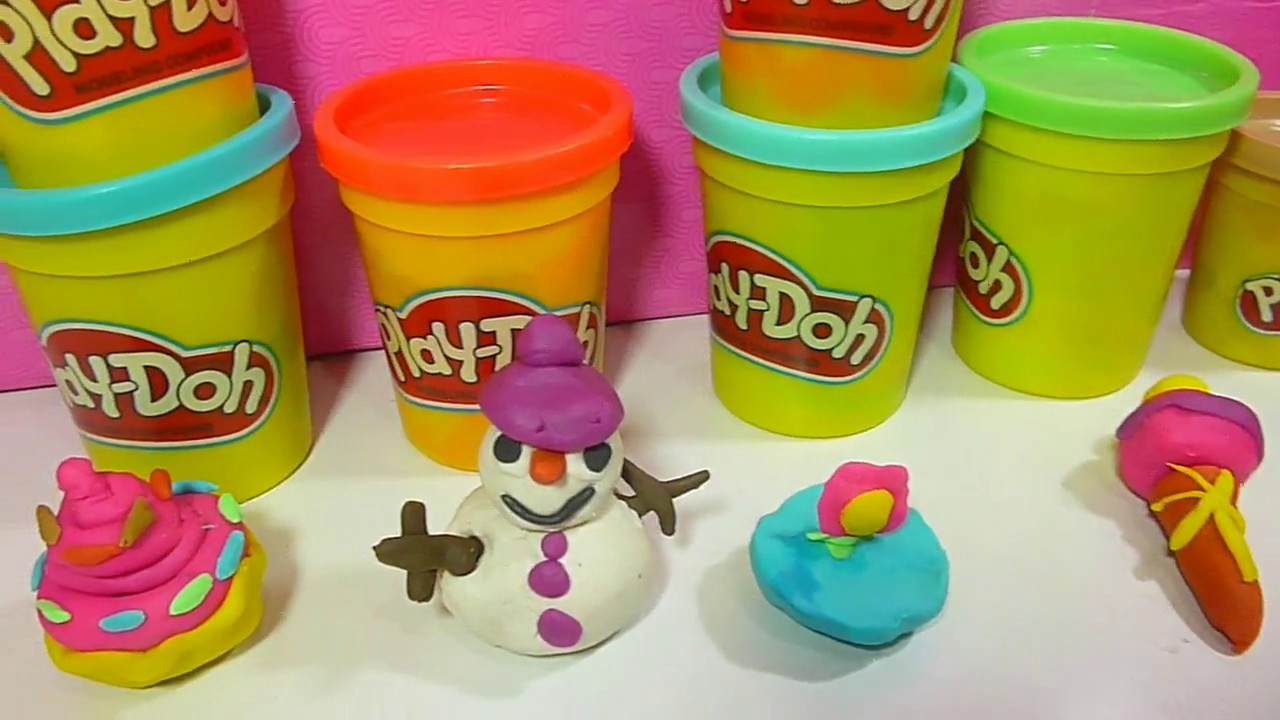
Speaking of context, if you're buying it as a gift, a little bit of Spanish flair can go a long way! "¡Mira! ¡Plastilina Play-Doh! ¡Para que te diviertas!" (Look! Play-Doh! For you to have fun!).
Fun Fact: Play-Doh's Origins (It Wasn't Always a Toy!)
Did you know that Play-Doh was originally intended to be a wallpaper cleaner? Seriously! It wasn't until someone realized its potential as a children's toy that it became the global phenomenon we know and love. So, the next time you're shaping a Play-Doh masterpiece, remember its humble beginnings!

Practical Tips for Your Play-Doh Adventures
- Embrace Spanglish: Don't be afraid to mix English and Spanish. "Vamos a jugar con the Play-Doh!" is perfectly acceptable, especially when speaking with other bilingual individuals.
- Use Flashcards: Create flashcards with images of Play-Doh and the Spanish word(s). This is a fun way for kids (and adults!) to learn new vocabulary.
- Watch Spanish-Language Videos: Find videos of kids playing with Play-Doh in Spanish. This is a great way to hear the language in a natural context and pick up on common phrases.
The Takeaway: Language is a Journey, Not a Destination
Learning a language, even just a few words like "Play-Doh" in Spanish, is a journey. It's about making mistakes, laughing at yourself, and embracing the cultural nuances that make language so rich and rewarding. Don't be afraid to experiment, to ask questions, and to have fun along the way.
The next time you're tempted to overthink a simple translation, remember the squishy, colorful world of Play-Doh. It's a reminder that sometimes, the simplest things in life bring the most joy, and that connecting with others, even through something as small as a shared childhood memory, is a beautiful thing.
