How Do You Mig Weld Aluminum

Ever gazed at a sleek, lightweight aluminum sculpture and wondered how it came to life? Or perhaps dreamt of custom-fabricating a shiny, corrosion-resistant part for your boat, car, or even a unique piece of furniture? Welding aluminum, especially with a MIG welder, is a skill that opens up a world of creative and practical possibilities, moving beyond the heavy-duty realm of industrial steel into the more delicate, yet incredibly strong, world of lightweight metals.
For artists, hobbyists, and casual learners, the allure of aluminum is undeniable. Its lightweight nature makes creations easy to handle, move, and even ship. It's naturally corrosion-resistant, meaning your masterpieces or functional repairs will stand the test of time against the elements without rusting. Plus, aluminum boasts a beautiful, often polished finish that can add a modern, sophisticated touch to any project. While traditional TIG welding for aluminum can be a bit intimidating for beginners, MIG welding aluminum is often considered more accessible, offering a faster learning curve for those eager to dive in and create without the complexities of a foot pedal or two-handed technique.
So, what can you make? The potential is vast! Imagine crafting delicate yet robust abstract sculptures that play with light, or intricate metal flora and fauna for a garden display. Hobbyists frequently use aluminum MIG welding for everything from custom light fixtures and sleek modern tables to repairing aluminum boat hulls, motorcycle frames, or even fabricating robust, lightweight toolboxes. For those with a more practical bent, it’s perfect for building frames for RC vehicles, drones, or creating unique signage and decorative wall art. The material lends itself to both precise, technical applications and free-form artistic expression, making it incredibly versatile.
Must Read
Ready to try your hand at it? Here are a few essential tips for MIG welding aluminum at home. First, equipment is key. You'll need a MIG welder capable of handling aluminum, which usually means investing in a spool gun or a specific U-groove drive roller and a Teflon/Nylon liner for your standard torch to prevent the softer aluminum wire from kinking. Second, and perhaps most crucial, is your shielding gas: you must use 100% Argon gas. Unlike steel, aluminum cannot be effectively welded with a CO2 mix. Third, select the correct aluminum filler wire; 4043 and 5356 are common choices, selected based on the specific aluminum alloy you're welding. Fourth, cleanliness is paramount. Aluminum forms an oxide layer almost instantly, so thoroughly brush your material with a dedicated stainless steel brush and clean it with acetone right before welding. Finally, remember to use a "push" technique (pushing the puddle away from you) rather than "pulling" like with steel, and generally use a faster travel speed and slightly higher voltage/wire speed settings. And, as always, never forget your personal protective equipment: an auto-darkening helmet, gloves, and flame-retardant clothing.
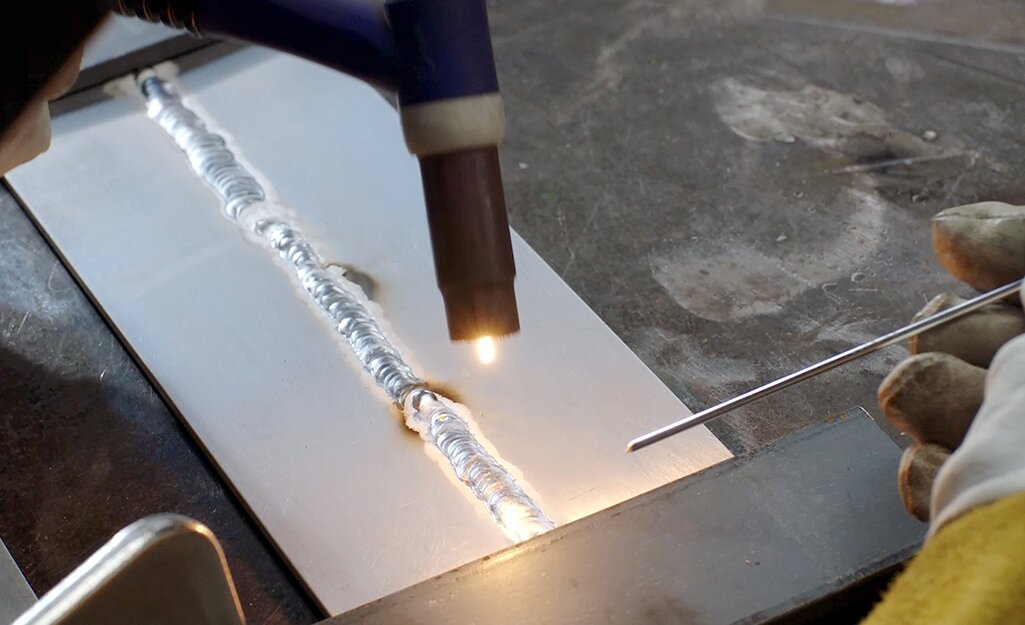
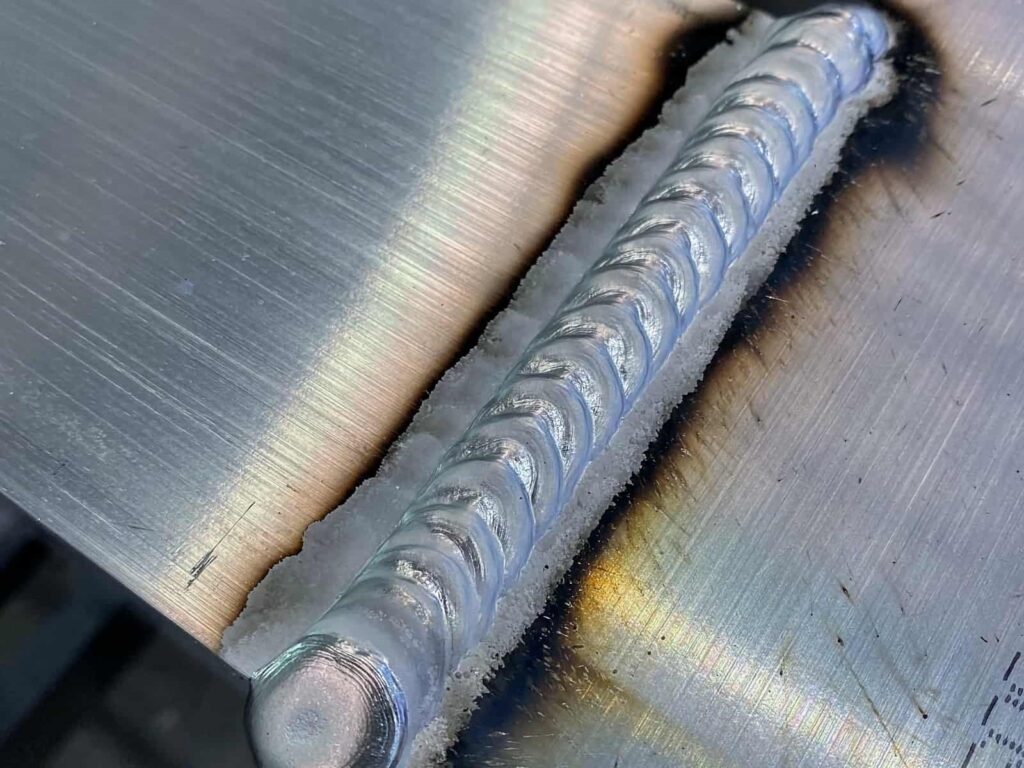
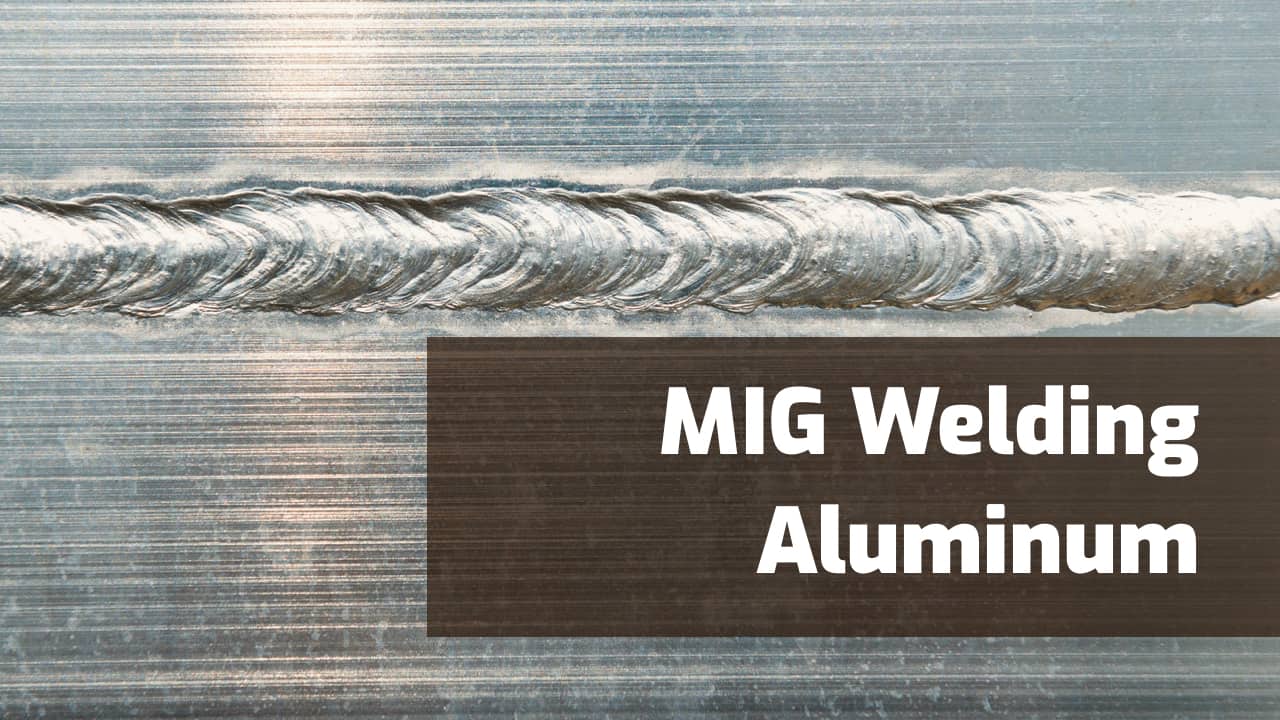
While MIG welding aluminum might present a unique set of challenges compared to welding steel, the satisfaction of creating something strong, beautiful, and lightweight from raw material is immensely rewarding. There's a special joy in seeing the molten puddle flow smoothly, leaving behind a perfectly formed, shiny bead. It’s a skill that builds confidence, fosters creativity, and equips you to bring a myriad of metallic dreams to life, one shimmering weld at a time.