How Do You Measure Vacuum Pressure
Ever wondered how your vacuum cleaner sucks up all that dust, or how potato chips stay so crispy in their bags? The secret lies in understanding something called vacuum pressure. It sounds complicated, but the basic idea is surprisingly straightforward, and exploring it can be a fun and enlightening journey!
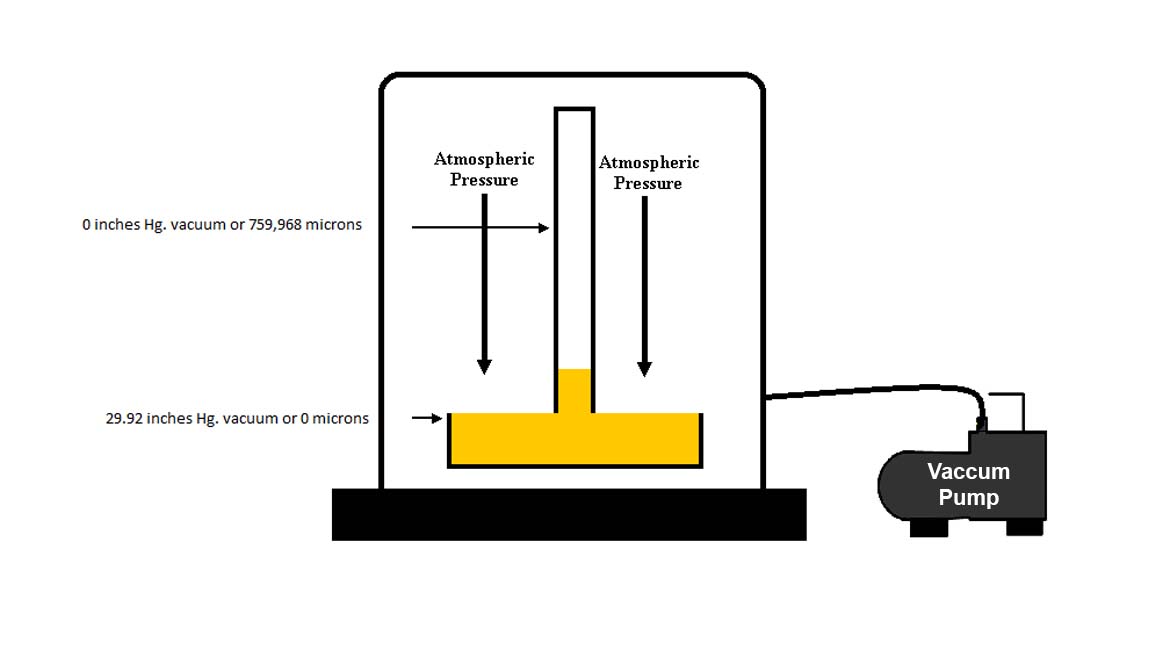
So, what exactly is vacuum pressure and why should we care? In simple terms, vacuum pressure measures how "empty" a space is. Unlike regular pressure, which measures the force exerted by gases pushing outwards, vacuum pressure measures the lack of pressure – the degree to which the pressure is below atmospheric pressure (the pressure we normally experience every day). Think of it like this: a perfect vacuum would be a space with absolutely nothing in it, exerting no pressure at all. The more "stuff" you remove from a space, the lower the pressure, and the "better" the vacuum.
Understanding vacuum pressure is important for a multitude of reasons. In science and industry, precise vacuum control is crucial. Think of the giant vacuum chambers used in particle accelerators to study the fundamental building blocks of the universe. Or the equipment used to manufacture semiconductors for our computers and phones - these need incredibly clean, low-pressure environments to function. And then there's freeze-drying food! By lowering the pressure, water can be removed at lower temperatures, preserving the food's flavor and nutrients. This is why vacuum sealing food extends its shelf life and keeps it fresh.
Must Read
Even in daily life, vacuum technology is all around us. As mentioned earlier, vacuum cleaners rely on creating a pressure difference to suck up dirt. The lower pressure inside the cleaner relative to the room allows air (and the dirt with it) to rush in. Vacuum-insulated bottles and flasks use a vacuum layer to prevent heat transfer, keeping your coffee hot and your water cold. That satisfying “pop” you hear when opening a jar of pickles? That's the sound of the vacuum seal being broken!
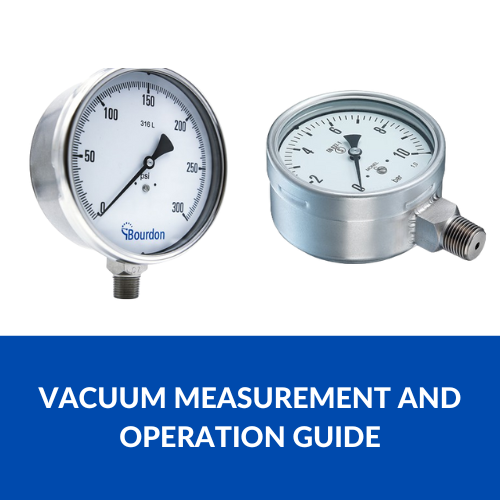
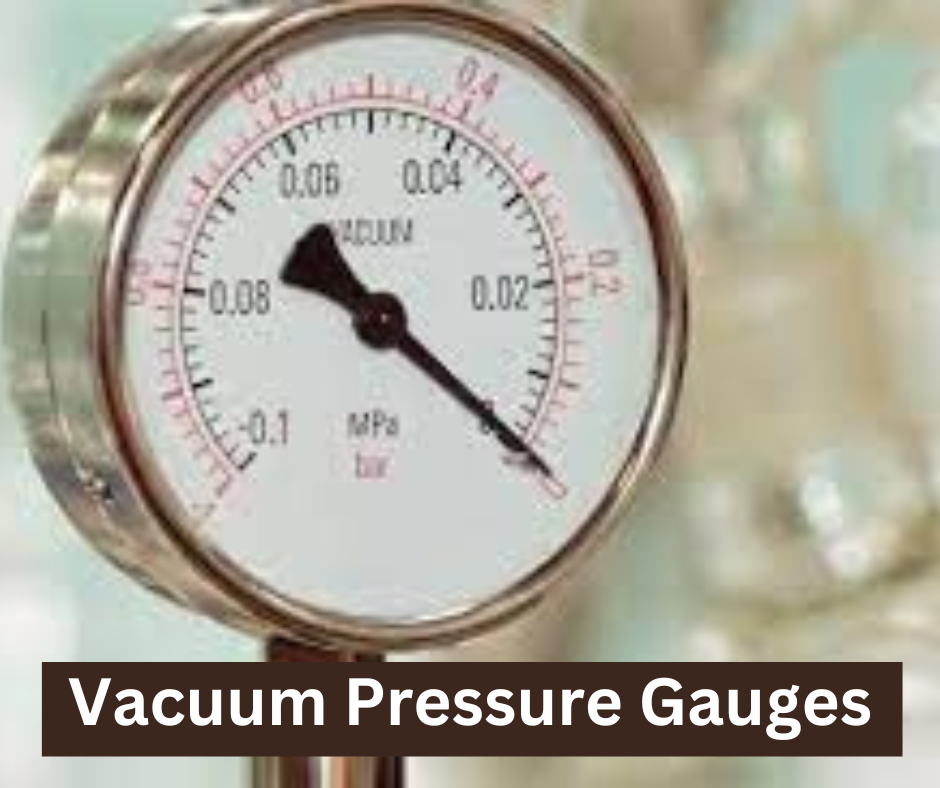
How do we actually measure this elusive vacuum pressure? Different tools are used depending on the level of vacuum we're trying to achieve. For relatively rough vacuums, like those used in vacuum cleaners, simple mechanical gauges like Bourdon gauges can be used. These gauges measure the deformation of a curved tube as the pressure changes. For higher vacuums, more sophisticated electronic sensors like Pirani gauges or capacitance manometers are employed. These sensors use different physical principles, such as measuring thermal conductivity or electrical capacitance, to indirectly determine the pressure.

Want to explore vacuum pressure yourself? A simple experiment involves observing what happens when you remove air from a closed container. Even a simple hand vacuum pump connected to a jar can demonstrate the effects of reduced pressure on marshmallows or even water. Notice how the marshmallows expand as the air pressure decreases, or how water boils at room temperature under a strong vacuum (be careful with this one!). Another fun activity is to observe how a balloon behaves inside a vacuum bag. Sealing the bag and removing air with a vacuum sealer will dramatically alter the balloon's shape as the outside pressure decreases.
So, next time you’re reaching for a bag of chips or enjoying a hot beverage from your thermos, take a moment to appreciate the fascinating world of vacuum pressure. It's a powerful force that's shaping our world in ways we may not even realize!