
How Do You Measure The Amount Of Energy Something Has
You know that feeling, right? It’s 3 PM, you’ve hit the wall, and suddenly that espresso machine is calling your name like a siren. Or maybe you just ran a marathon (or, let’s be real, a particularly long flight of stairs) and your body is screaming for, well, anything edible. We talk about needing "energy" all the time, but have you ever stopped to think, how do we actually measure that invisible stuff? It’s not like you can pour a cup of energy or weigh it on a scale, can you?
That invisible, yet utterly essential, force is what keeps everything going: you, your car, your phone, even the sun. And while it feels abstract, scientists and engineers have figured out some pretty clever ways to put a number on it. Because, let’s face it, if you can’t measure it, you can’t really manage it, can you?
What Even Is This "Energy" Thing?
Before we dive into the nitty-gritty of measurement, let’s just quickly touch on what we’re even talking about. In physics, energy is simply the capacity to do work. Think about it: a car has energy in its fuel to move; a battery has energy to power your devices; a slice of pizza has energy your body uses to, you know, live. It's all about potential or actual action.
Must Read
The universe, bless its heart, has a finite amount of energy, and it's constantly changing forms – from chemical (like in food or fuel) to kinetic (movement) to thermal (heat) to electrical, and back again. But the amount itself? Always conserved. Wild, right?
The Jargon Explained: Joules, Calories, and Kilowatt-Hours
So, how do we put a number on this shape-shifting force? We use units, of course! And there are a few heavy hitters you've probably heard of:
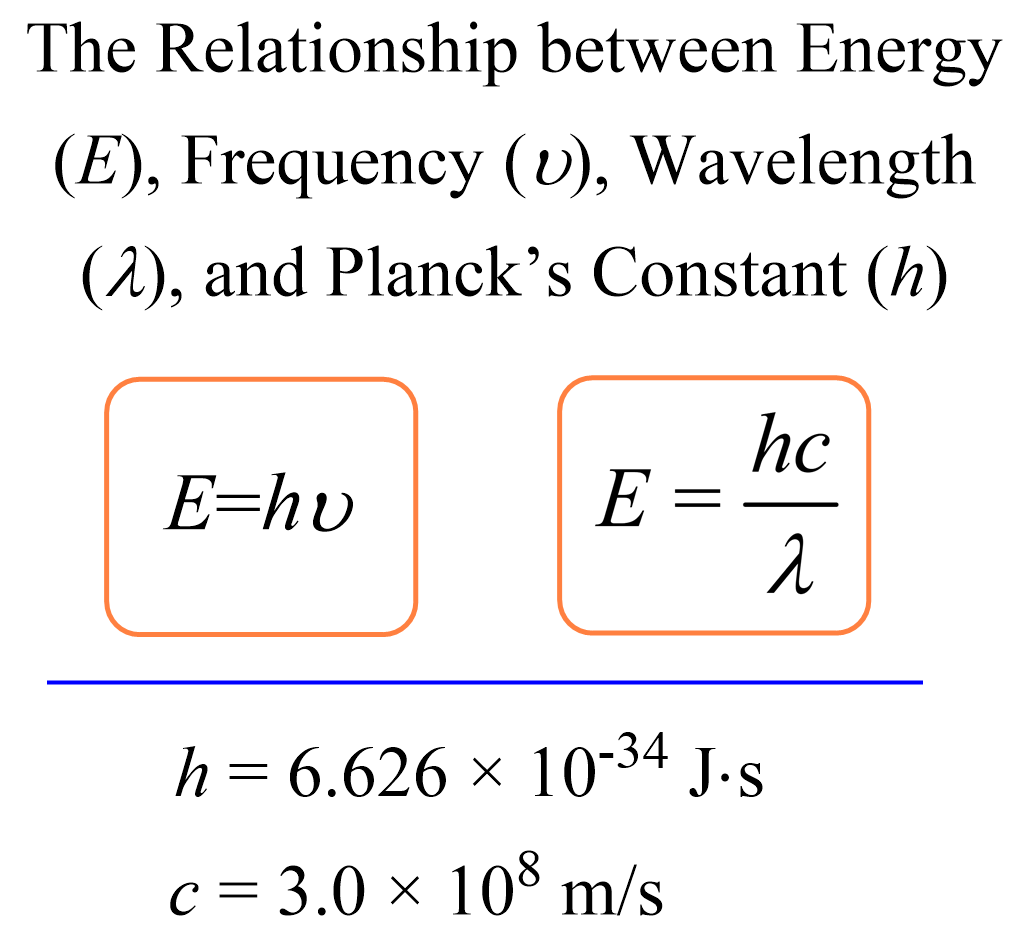
First up, the grandaddy of them all in the scientific world: the Joule (J). Named after James Prescott Joule, this is the standard international unit. One Joule is roughly the amount of energy needed to lift a small apple one meter. Doesn't sound like much, does it? That's why you often see kilojoules (kJ – a thousand Joules) on food labels outside the US. Think of it as the metric equivalent of "a small amount of effort."
Then there's the one everyone obsesses over for their diet: the Calorie. Ah, calories. The bane of many a new year's resolution! Here’s a fun fact, or perhaps a slightly confusing one: when you see "Calories" on your food packaging (with a capital C), it actually means kilocalories (kcal). A little "calorie" (with a lowercase c) is the energy needed to raise the temperature of one gram of water by one degree Celsius. A "Calorie" (big C) is a thousand of those little ones, enough to heat a kilogram of water. So, your 200-Calorie snack is actually 200,000 small calories. Mind blown? Mine too, initially.
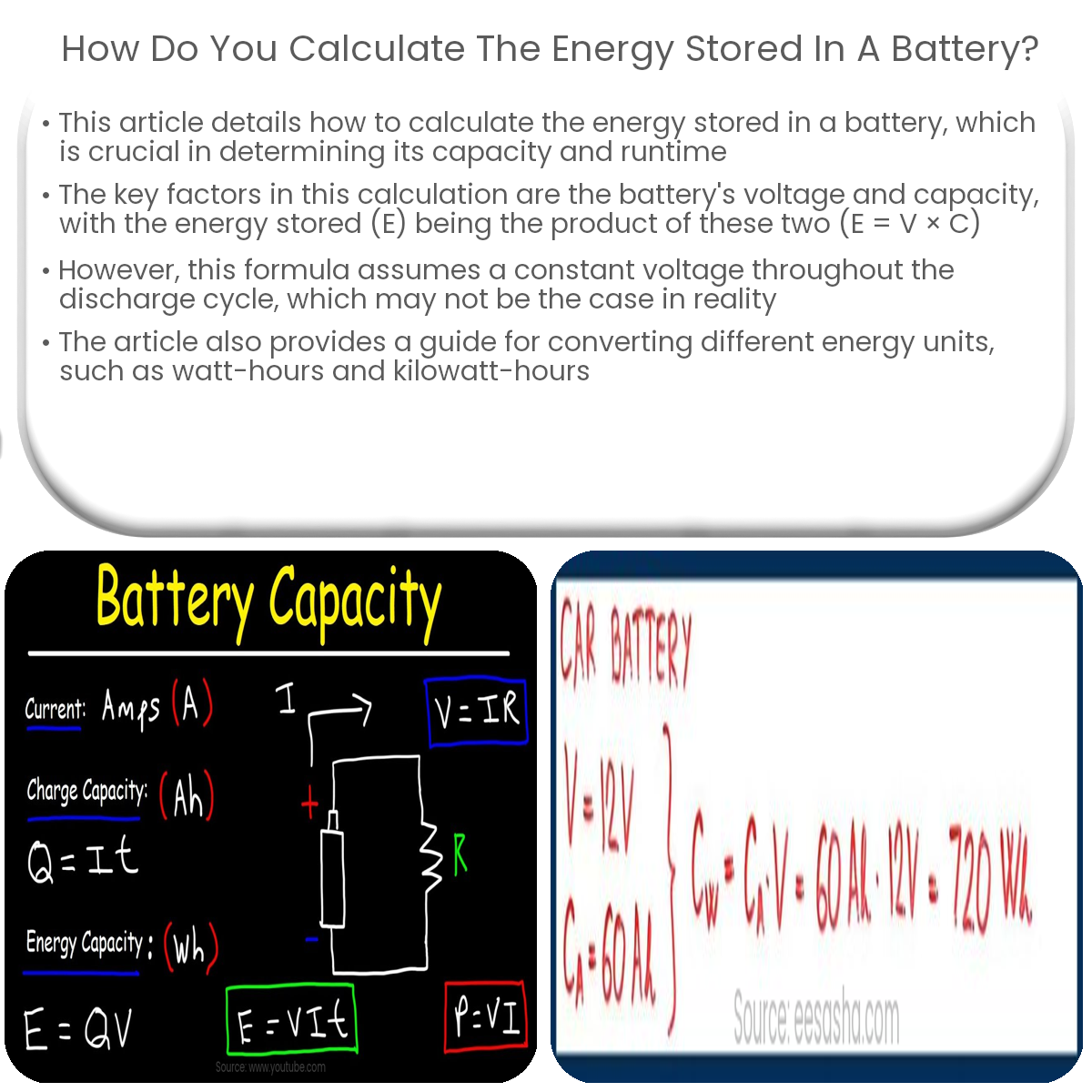
And for your electricity bill, you'll see kilowatt-hours (kWh). This is how your power company measures the energy you consume. It literally means using 1,000 watts of power for one hour. Your electric kettle probably uses about 2,000 watts, so if you boil water for half an hour, that's 1 kWh. It’s the unit of choice for anything electric because it combines power (rate of energy use) with time.
There are others, like BTUs (British Thermal Units), often used for heating and cooling systems, but Joules, Calories, and kWh are your main players for everyday energy talks.
How Do They Actually Measure This Stuff?
Okay, so we have the units. But how do we actually figure out how many Joules are in a piece of toast, or how many kWh your fridge is gulping down?

For food, the classic method is pretty brutal but effective: calorimetry. Essentially, you burn the food! Seriously. In a device called a bomb calorimeter, a food sample is completely combusted in a sealed chamber surrounded by water. The heat released warms the water, and by measuring the temperature change of the water, scientists can calculate the energy content. It's a direct measure of the thermal energy released. Don’t try this at home with your breakfast, though; it’s a controlled scientific process!
Of course, most food labels these days use a slightly less fiery method. They use the Atwater system, which assigns average calorie values to protein, carbohydrates, and fats (e.g., 4 Calories per gram for protein/carbs, 9 for fat). They then analyze the food's composition and calculate the total. It’s an estimation, but a pretty good one.

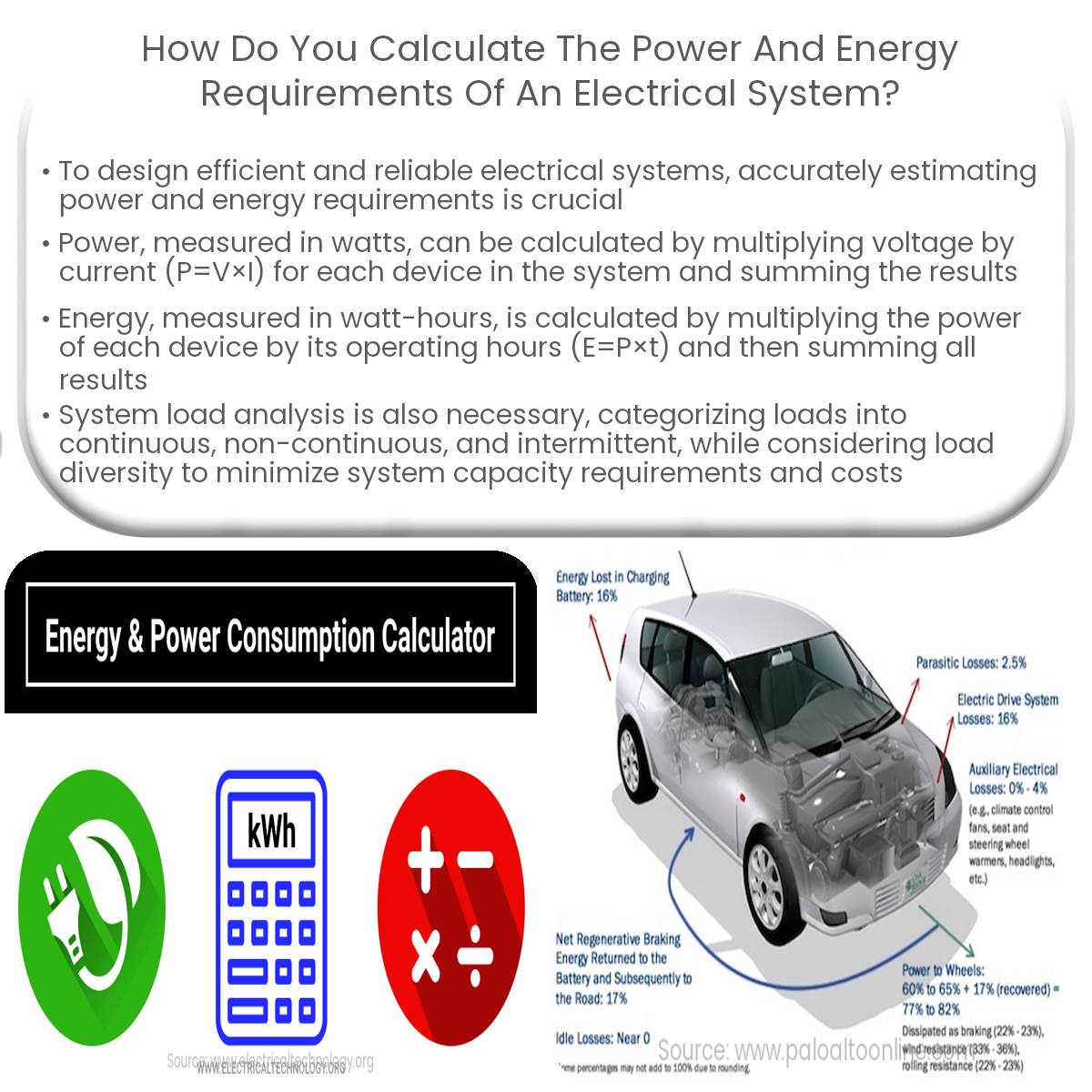
For electricity, it’s much simpler: you have a meter! Your electricity meter on the side of your house (or in your apartment building) continuously measures the total electrical power consumed over time and adds it up into kilowatt-hours. It's like a running tally of every light, appliance, and device sipping juice in your home.
And for other things, like the energy in gasoline? While you fill up by volume (gallons or liters), the energy content per unit volume is standardized, so when you pump 10 gallons, you know roughly how much chemical energy you've put in your tank. Your car's computer then figures out how to convert that into kinetic energy to get you moving.
So, the next time you feel that surge of caffeine, see those numbers on your food wrapper, or wonder why your electricity bill is so high, remember there's a fascinating world of measurement behind it all. It’s not just an arbitrary number; it’s a quantifiable measure of the universe's incredible capacity to do work, and our own cleverness in trying to pin it down.