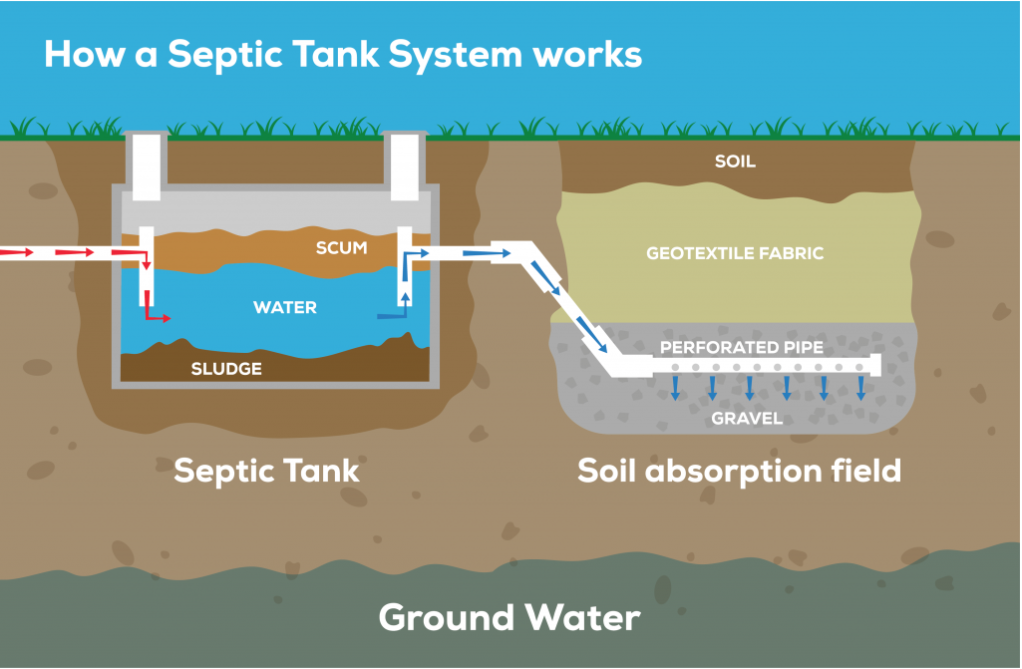
How Do You Know When Your Septic Tank Needs Emptying

Living with a septic tank is a bit like having a silent, underground roommate. It handles all the unspeakable, unseen business of your household, day in and day out, without asking for much – until it does. And when it does, it's usually not with a polite knock on the door, but rather a more… aromatic announcement. Learning to understand these subtle (and not-so-subtle) whispers from your subterranean friend is key to a happy home and a functioning system.
For many of us, the septic tank is just a word, a mysterious entity buried somewhere in the yard. We know it’s there, doing its vital work, but we rarely think about it until something goes awry. But imagine your septic system as a diligent worker, toiling away, breaking down waste, and sending the treated water back to nature. Even the most dedicated worker needs a break, or in this case, a good clear-out!
The Great Unveiling: Subtle Scent Signals
Let's start with the most obvious, yet often ignored, signal: the smell. It’s not just any smell; it’s a distinct, earthy, sometimes sulfurous aroma that seems to cling to the air around your property. You might notice it strongest near the septic tank lid, or even worse, near your drain field. It’s your system politely (or not so politely) saying, "I'm full, friend!" Think of it like a very patient cat leaving a 'present' outside the litter box when it's just too full. It's not malicious; it's just communicating its needs in the most direct way it knows how.
Must Read
I once heard a story about a family who kept blaming a mysterious "neighbor's compost pile" for a recurring smell. They'd even tried to leave passive-aggressive notes on their neighbor's fence! It wasn't until a plumbing emergency forced a closer look that they realized their own septic tank was overflowing with gratitude – and everything else. The neighbors, it turned out, had pristine compost and impeccable hygiene. A good chuckle was had by all (eventually), and a crucial lesson learned: always check your own backyard first!
The Bathroom Blues and Laundry Lamentations
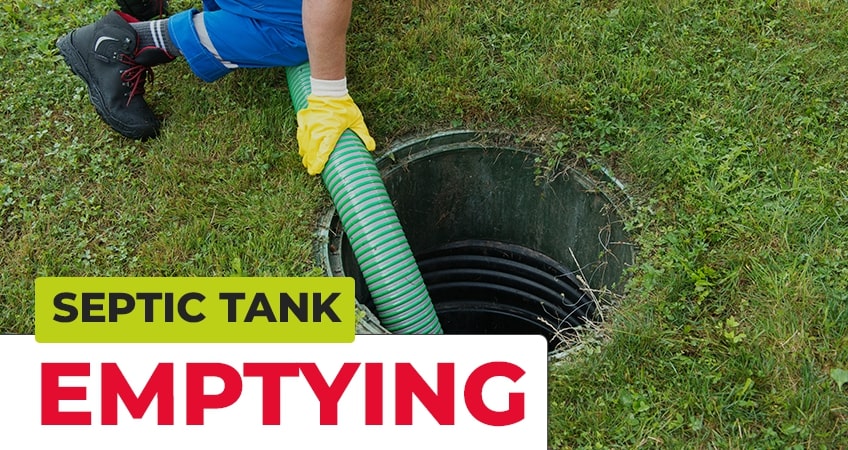
Beyond the ol’ sniff test, your indoor plumbing has a way of telling you tales. Are your toilets flushing sluggishly, as if they’re contemplating the meaning of life before deciding to drain? Do your sinks take an eternity to clear? Or perhaps you hear strange gurgling drains, like a monster living in your pipes trying to speak? These are all classic signs. It means the wastewater isn't finding its way out of the tank efficiently, often because the tank itself is too full of solids.
And then there's laundry day. Oh, laundry day! The sheer volume of water used can push a stressed septic system to its breaking point. If you notice your washing machine struggling to drain, or worse, water backing up into your bathtub after a load, your underground roommate is definitely waving a white flag. It's a reminder that every flush, every shower, and every spin cycle adds to the load that your faithful septic tank has to manage.
The Green, Green Grass of… Warning?
This is where the story takes a surprisingly beautiful, yet concerning, turn. Walk over your drain field – the area where the treated water disperses into the soil. Do you notice a patch of grass that's exceptionally lush, vibrant green, and growing faster than the rest of your lawn? While it might seem like a gardener's dream, it's often a homeowner's subtle nightmare. This overly nourished grass is feasting on nutrient-rich wastewater that's either overflowing from your tank or not properly leaching through the soil. It's nature's way of saying, "Something's afoot down here, and it's not just fertilizer!" It’s a beautifully deceptive warning sign.
As one experienced homeowner once put it, "If your lawn looks like a golf course in only one specific area, you might have a problem with your septic tank, not a hidden leprechaun’s gold!"
Another tell-tale sign in the drain field area is unexplained standing water, especially after heavy rain or even just a busy day of water use. If your backyard resembles a small pond over your septic system when it shouldn't, that's a clear signal that the system is overwhelmed and struggling to absorb the effluent.

When in Doubt, Call the Pros!
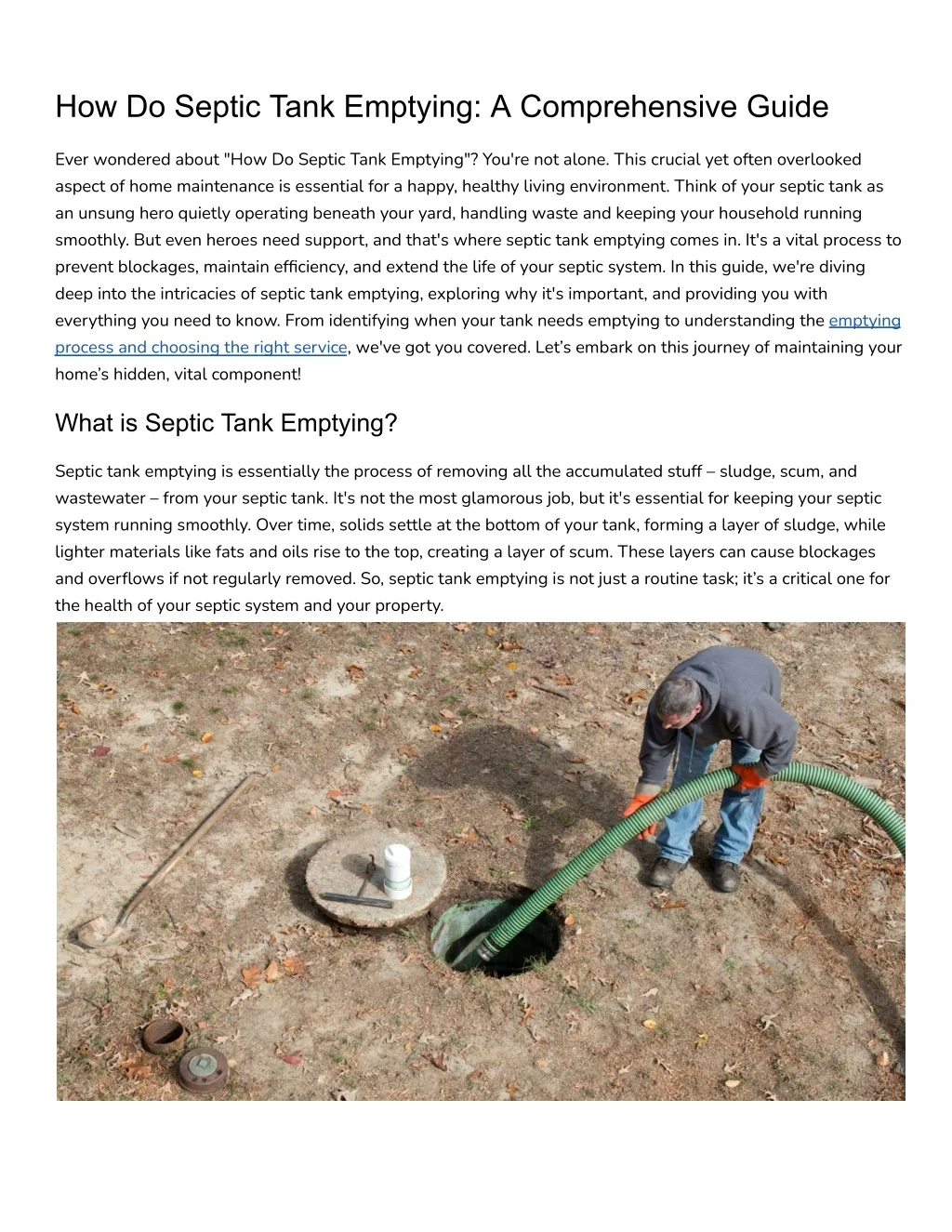
The good news is that recognizing these signs isn't about panic; it's about prevention. When you notice these whispers turning into shouts, it’s time to call in the cavalry – your local septic professional. These folks are the unsung heroes of home maintenance, wizards who understand the language of the underground. They’ll assess your system, perform the necessary pumping, and give you peace of mind.
Knowing when your septic tank needs emptying isn't about being a plumbing expert; it's about being an observant and caring homeowner. It's about listening to the subtle cues your home gives you, understanding the silent plea of your underground system, and taking action before a minor inconvenience turns into a major headache. Regular maintenance isn't just about avoiding disaster; it’s about showing a little love to that hardworking, unsung hero buried beneath your feet, ensuring it can continue its vital work for years to come.