
How Do You Know If Your Drainfield Is Bad

Alright, let's talk about something that's usually out of sight, out of mind, but is an absolute superhero for your home: your septic system's drainfield. Most of us don't give it a second thought until, well, something starts acting a little... funky. But have you ever stopped to wonder what this mysterious underground network actually does, and how you'd even know if it decided to take an unscheduled vacation?
It’s actually pretty cool when you think about it. Your drainfield is the final, crucial step in treating your household wastewater. Imagine it as a silent, invisible filtration plant right in your backyard, constantly working to keep everything clean and flowing. It’s a marvel of simple, natural engineering! But like any unsung hero, it can get overwhelmed or tired.
So, how do you know if your drainfield, this diligent underground worker, is starting to wave a little white flag? Let's dig into some of the tell-tale signs, because being in the know is half the battle!
Must Read
Slow Drains and Gurgling Toilets: The Plumbing Protest
This is often one of the first and most annoying signs. Have you noticed your shower water pooling around your ankles a bit more than usual? Or does your toilet seem to take an eternity to drain, sometimes even letting out a dramatic gurgle as if it’s clearing its throat?
Think of your plumbing like a highway. When the drainfield is struggling, it’s like a massive traffic jam at the exit ramp. The water from your house has nowhere to go because the ground can’t absorb it efficiently. It backs up, causing those annoying slow drains in sinks, tubs, and even toilets that seem reluctant to flush. This isn't just an inconvenience; it's your system sending out an early warning flare!
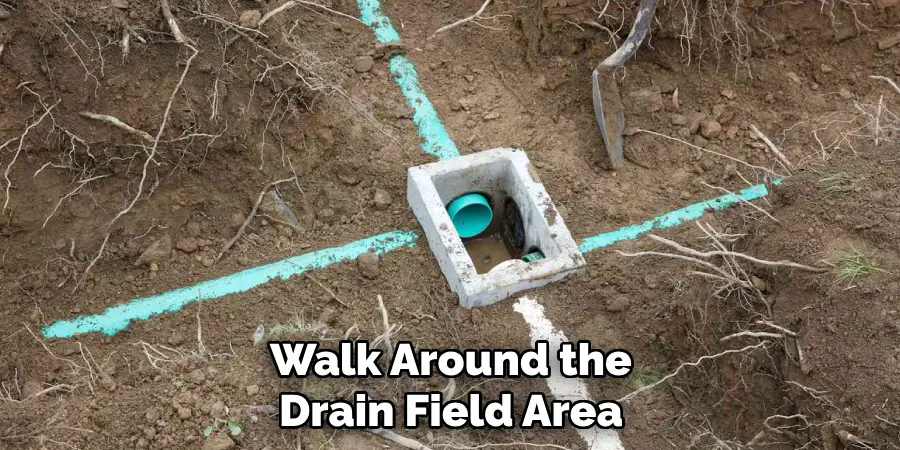
The Mysterious Puddle: Your Lawn’s Weeping Willow Impression
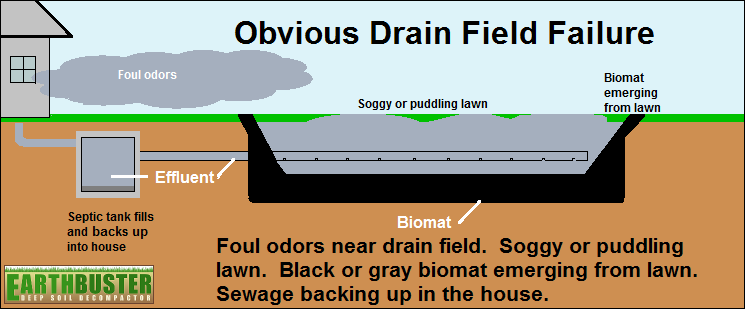
Next up, let’s talk about unexplained wet spots. We're not talking about a splash from the sprinkler, but rather soggy, squishy areas in your yard, especially around where your drainfield is located. This is arguably the most obvious and least subtle clue.
If you find standing water or overly saturated soil, particularly if it hasn't rained much, it's a huge red flag. This isn’t just water; it’s likely effluent (the treated wastewater from your septic tank) that the drainfield can no longer absorb. It’s essentially "surfacing" because the soil beneath is clogged or compacted. Your lawn isn't trying to become a pond, it's telling you its underground drainage system is full! It’s like a leaky roof, but for your yard.
That Distinctive "Septic" Smell: When Your Yard Stinks Up The Party
Let's be blunt: a healthy drainfield should be odorless. So, if you're catching a whiff of something that unmistakably smells like raw sewage – that distinctive, unpleasant odor – then your nose is probably onto something.
This smell often indicates that untreated or poorly treated wastewater is surfacing or accumulating in your drainfield area. The gases that should be safely dispersed underground are instead wafting into your backyard, turning your pleasant outdoor space into something you want to avoid. It’s like your drainfield is trying to tell you, in the strongest possible terms, that it needs help! Don't ignore this one; it's a clear sign things are amiss.
The Overly Enthusiastic Green Patch: When Your Grass is Too Happy
Now, this one might seem counterintuitive, but it's genuinely fascinating. Have you noticed a specific patch of grass over your drainfield that looks unusually lush, vibrant, and much greener than the rest of your lawn? Almost like it's on steroids compared to its less fortunate neighbors?

While green grass is generally good, an isolated spot of super-green, fast-growing grass in your drainfield area can actually be a sign of trouble. It indicates that wastewater, rich in nutrients (like nitrogen), is pooling too close to the surface, essentially over-fertilizing that particular patch of lawn. It's getting an all-you-can-eat buffet of nutrients it shouldn't be getting so easily. It’s like a specific section of your garden is throwing an unsupervised party with too much fertilizer – a visual clue that the system isn't filtering properly.
Alarms and Well Water Woes: More Serious Signals
Some septic systems come with alarms, especially those with pumps. If your septic alarm goes off, it's not crying wolf. It's specifically designed to alert you to a problem within the system, which can often point back to a failing drainfield. Pay attention to these alarms!
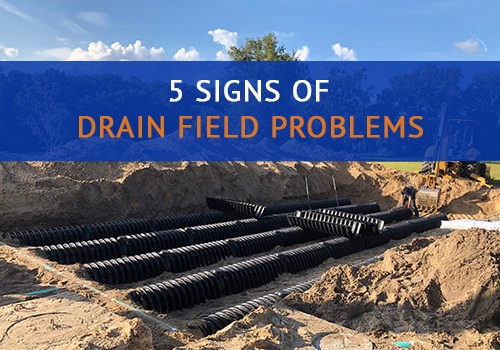
On a more serious note, if you have a well for drinking water, a failing drainfield can eventually lead to well water contamination. This is a significant health risk. If you're noticing any changes in your well water's taste, smell, or clarity, it's crucial to get it tested immediately. This is the big leagues of drainfield issues and demands immediate professional attention.
So, What Now?
If any of these signs sound familiar, don't panic! The first and best step is to call a qualified septic system professional. They’re like detectives for your underground plumbing, with the tools and expertise to properly diagnose the issue. They can confirm if your drainfield is indeed failing and recommend the best course of action.
Understanding these warning signs empowers you to be a proactive homeowner, helping you catch problems early before they become bigger, more expensive headaches. Your drainfield might be out of sight, but it's certainly not out of mind for smart homeowners like you. Giving it a little thought now can save you a whole lot of trouble (and smell!) down the road. Isn't it cool how much your home tries to communicate with you, even through its underground parts?