
How Do You Know If Fuse Is Blown
Flick a switch. Nothing? Lamp dark. Blender silent. Uh oh. Before panic sets in, consider a tiny hero: the fuse.
These little guardians save your gadgets from electrical chaos. They bravely sacrifice themselves for the greater good! But how do you actually know if a fuse has blown? It’s surprisingly dramatic for something so small, right?
Visual Clues: The Case of the Missing Spark!
Time for a bit of detective work! The easiest way to spot a blown fuse is often with your own two peepers. Many fuses, like those in older electronics, cars, or even festive string lights, have clear glass casings. This is your very first clue.
Must Read
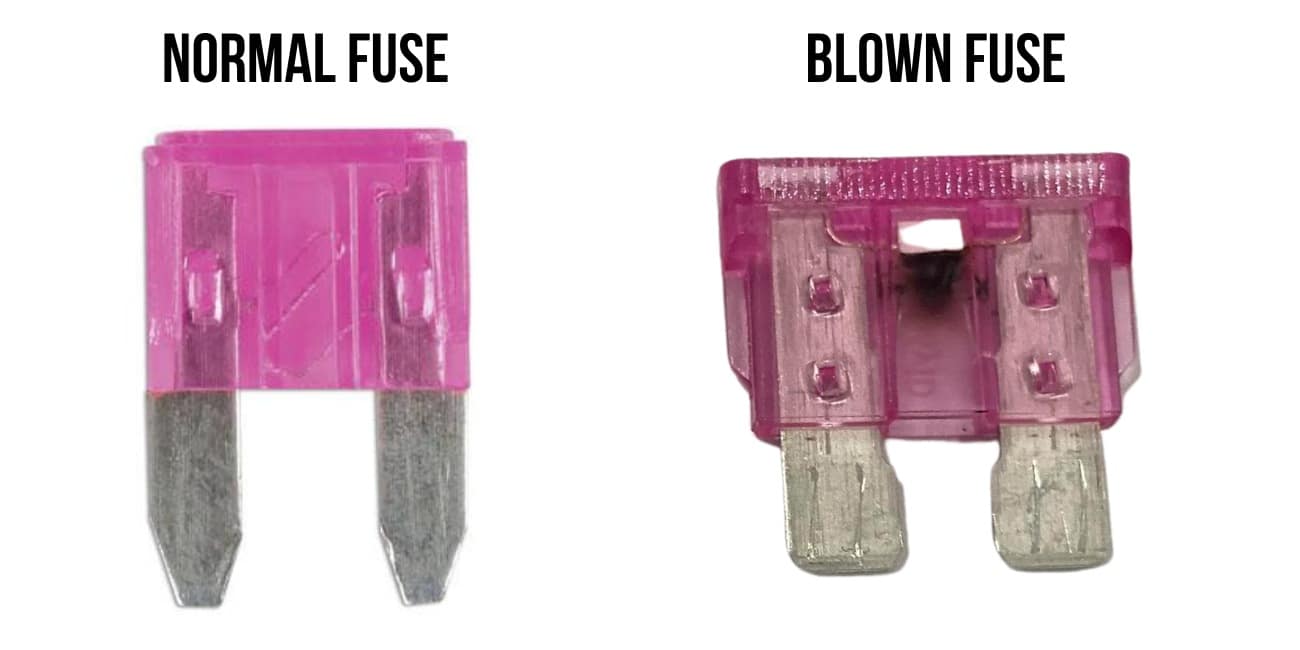
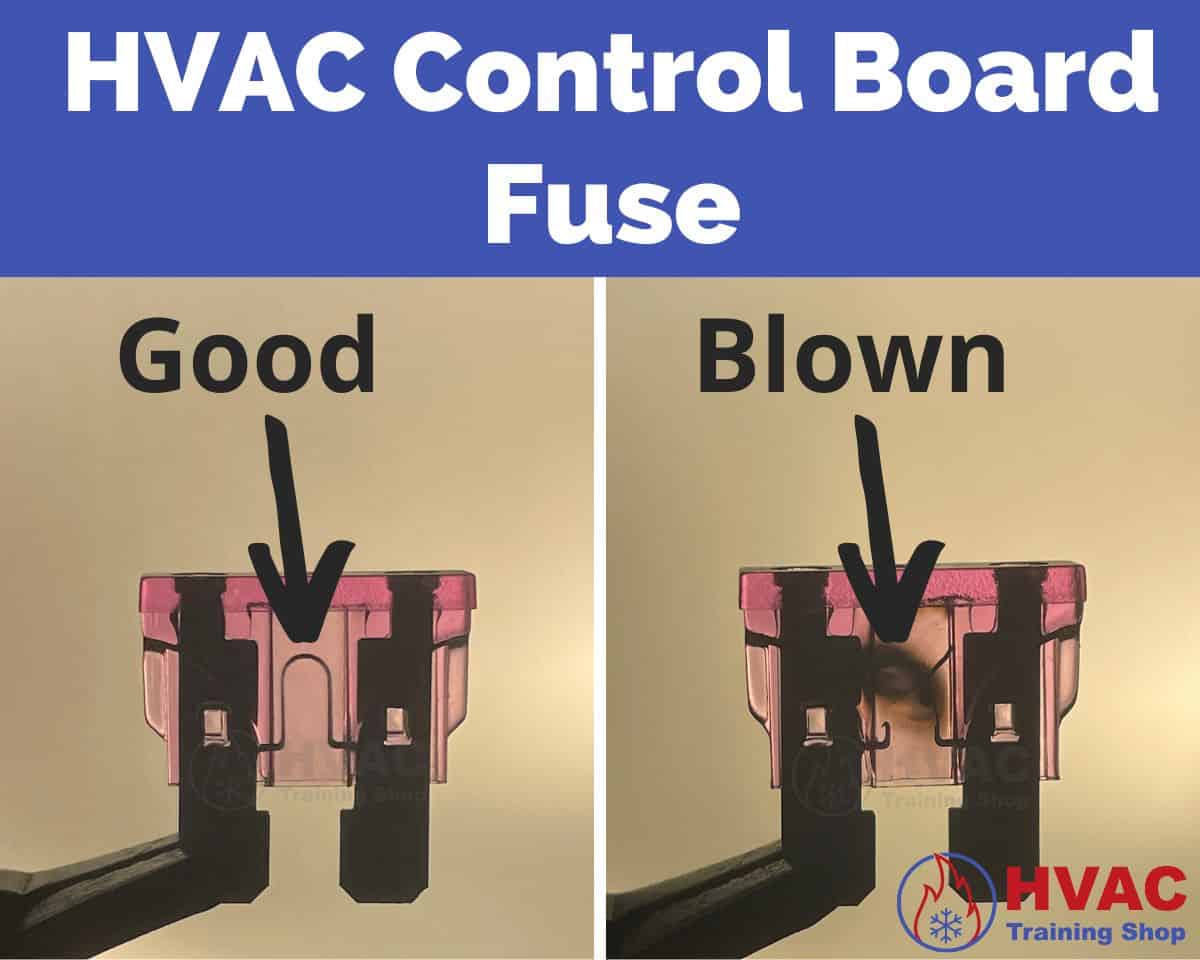
Look closely inside. See that tiny, delicate wire running through the middle? In a healthy, working fuse, that wire is perfectly intact. It’s a continuous, shimmering line, just doing its job.
In a blown fuse? That wire is snapped! It looks like a tiny, metal tightrope walker who tragically lost their footing. Sometimes, it’s not just broken; it’s literally vaporized!
You might also spot a mysterious, dark smudge or a blackening inside the glass tube. That’s the tell-tale sign of a mini-meltdown. The wire got so hot protecting your device that it literally burned itself out. It’s a tiny, contained lightning strike! Pretty wild, huh?

Quick Visual Check:
- Intact wire? You're good to go!
- Snapped wire or black charring? Blown fuse. You found it!
Multimeter Magic: When Looks Aren't Enough
Okay, so some fuses aren't clear. They might be opaque, ceramic, or just too tricky to see inside. This is where you get to feel like a proper electrical wizard with a tool called a multimeter!
Don't be intimidated by the name. It’s basically an electronic stethoscope for circuits. Super handy for all sorts of household mysteries!
Grab your multimeter. Set it to the "continuity" setting. This often looks like a sound wave icon or a diode symbol. What does "continuity" mean? It's asking: "Can electricity flow through this thing without interruption?"

Now, touch one probe of the multimeter to each metal end of the fuse. If you hear a glorious BEEP! or see a reading of "0" (or very close), congratulations! Your fuse has continuity. It’s working. It’s letting electricity pass through.
But if you hear… silence. Or the display shows "OL" (Over Limit) or "1" (meaning an open circuit), then bingo! You've found your culprit. That fuse is as dead as a doornail. It’s an open circuit, a broken path. Electricity stopped. The multimeter doesn't lie!
That beep is surprisingly satisfying, isn't it? Like the multimeter is personally giving you a high-five for your successful detective work!
Why Do These Tiny Heroes Self-Destruct?
So, what makes a fuse go all kamikaze? Usually, it's one of two things: an overload or a short circuit.
An overload? That's like trying to squeeze ten friends into a car designed for four. Too much electricity tries to flow through the circuit than it can handle. The fuse wire gets super hot, hotter, hottest, and then… poof! It breaks. It sacrificed itself rather than letting that excess current damage your precious device or, even worse, start a fire. Good job, fuse!
A short circuit? That's when electricity finds a super-easy, unintended shortcut back to its source. This causes a massive surge of current – think a tidal wave of electricity! The fuse sees this impending disaster and acts instantly, breaking the circuit before anything catastrophic happens. It’s a rapid-fire, heroic act for your electronics!
Replacement Revelation (and Safety First!)
Blown fuse identified? The next step is glorious: replacement! But remember, safety first! This is not optional.
Always unplug the device or turn off the power before handling fuses. This is crucial for your safety! No shocks allowed.

Here’s a vital quirky detail: always replace a fuse with one of the exact same amperage rating. Never, ever, use a higher-rated fuse. That's like giving your bodyguard a weaker shield; it defeats the whole purpose and can be seriously dangerous.
Pop in the new fuse. Watch your device hum back to life. Pure joy! It’s a tiny victory against the forces of electrical darkness.
You solved the mystery! You repaired the break! You brought light (or power) back to your world! So next time an appliance goes quiet, don't despair. Trust your tiny, self-sacrificing fuse.
With a keen eye, a friendly multimeter, and a pinch of curiosity, you too can become a master of fuse-finding! It’s not just about fixing a problem; it’s about understanding the silent drama playing out in your everyday electronics. Pretty cool, right? Go forth and fuse!