How Do You Know If Carbon Monoxide Detector Is Working

Ever wonder about those little gadgets around your home that hum along silently, doing a super important job without much fanfare? Today, we're diving into one of them: your carbon monoxide (CO) detector. It might not be as flashy as your smartphone, but knowing how to check if it's working is a lifesaver – literally! Understanding how to give your silent guardian a quick check-up is empowering, and a cool piece of preventative tech worth understanding.
So, what exactly does this quiet hero do? Carbon monoxide is often called the "silent killer" because it’s an invisible, odorless, and colorless gas. It’s produced when fuels like gas, oil, wood, or charcoal don't burn completely. Think of your furnace, gas stove, water heater, or even a car running in an enclosed space. If CO builds up, it replaces oxygen in your blood, leading to serious illness, brain damage, and even death. The detector's purpose is simple: it constantly sniffs the air for this dangerous gas, and if it detects unsafe levels, it sounds a loud, unmistakable alarm. The benefit? It gives you a critical early warning, allowing you and your family to evacuate and get fresh air before CO can do its harm, protecting your loved ones and providing peace of mind.
In our daily lives, CO detectors are indispensable for anyone living in a home with fuel-burning appliances. Whether you're heating your home with natural gas, cooking with propane, or enjoying a cozy wood fire, a working CO detector is a must-have. You'll find them in RVs, campers, and even boats, where enclosed spaces can trap CO from engines or generators. In an educational context, understanding CO detection can be a fascinating way to teach about chemical reactions, gas safety, and the importance of home preparedness. Imagine a science class discussing the invisible properties of gases or a health lesson on preventative measures – the CO detector serves as a perfect, tangible example of science applied to real-world safety.
Must Read
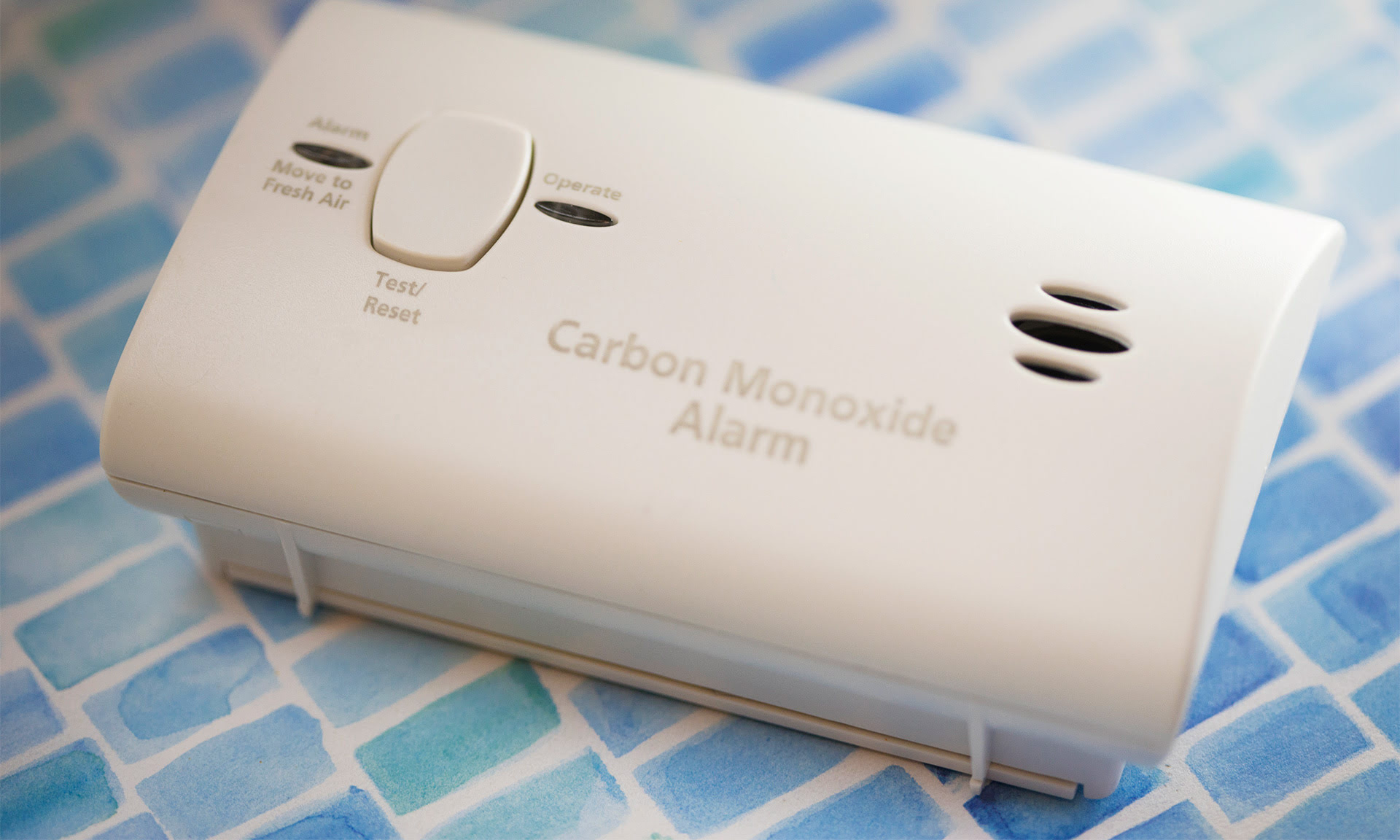
Now for the fun part: how do you know if your guardian is on duty? The good news is, checking your CO detector is usually super easy! Most detectors have a test button. Press and hold it for a few seconds, and it should emit a loud, piercing alarm. This confirms the alarm mechanism is functional. If it doesn't sound, or only emits a weak chirp, that's a red flag. Also, keep an eye on the indicator lights; a solid green light typically means it’s powered on and working correctly, while a flashing light or no light could indicate a problem or low battery. Speaking of batteries, battery-powered units (and battery backups in plug-in models) often chirp to signal a low battery – don't ignore that sound! Replacing batteries annually is a great habit, maybe when you change your clocks for daylight saving time. Finally, and this is crucial, CO detectors have a lifespan. They don't last forever because their internal sensors degrade over time. Check the back of your unit for a "replace by" or expiration date, usually around 5-7 years after manufacture. If it's past that date, it's time for a new one. Taking these simple steps ensures your silent guardian is always ready to speak up, keeping your home and its curious occupants safe!
.jpg?itok=zwEl3CfV)