
How Do You Hook A Generator To A House
The Great Power Mystery: Unplugging from the Dark Ages
Ah, the sudden silence. That quiet hush when the power decides to pack up its bags and leave. Your lights flicker, then — poof! — darkness descends. It's like the world just hit the mute button.
In that moment, a powerful thought emerges. A heroic notion, if you will. "I have a generator!" you exclaim. But then, the next question, a tiny whisper of doubt, floats into your mind: "How do you actually hook a generator to a house?"
It's not as simple as plugging in a toaster, is it? Though, honestly, some folks might wish it were. Just imagine: a giant extension cord snaking from your generator, straight into a wall outlet.
Must Read
The Spaghetti Junction of Doom (Please Don't Do This)
Let's tackle an "unpopular" opinion right off the bat. That image of a dozen extension cords, crisscrossing your living room like a tangled boa constrictor? Yeah, that's a no-go.
We've all seen it in the movies, or maybe, dare I say, in a neighbor's emergency setup. A generator purring outside, and every essential appliance connected by a daisy chain of vibrant orange cords. It's a logistical nightmare.
It might power your fridge. It might keep your TV humming. But it's also a recipe for tripping hazards, frayed nerves, and potentially, something much worse. Your house is a sophisticated lady; she doesn't appreciate such crude connections.
"Just plug it in anywhere!" is a famous last thought before chaos.
The Elegant Solution: A House-Friendly Hookup
So, if the extension cord circus is out, what's left? There's a much more elegant, dare we say, official way to introduce your generator to your home's electrical system. Think of it as a formal introduction, not a back-alley deal.
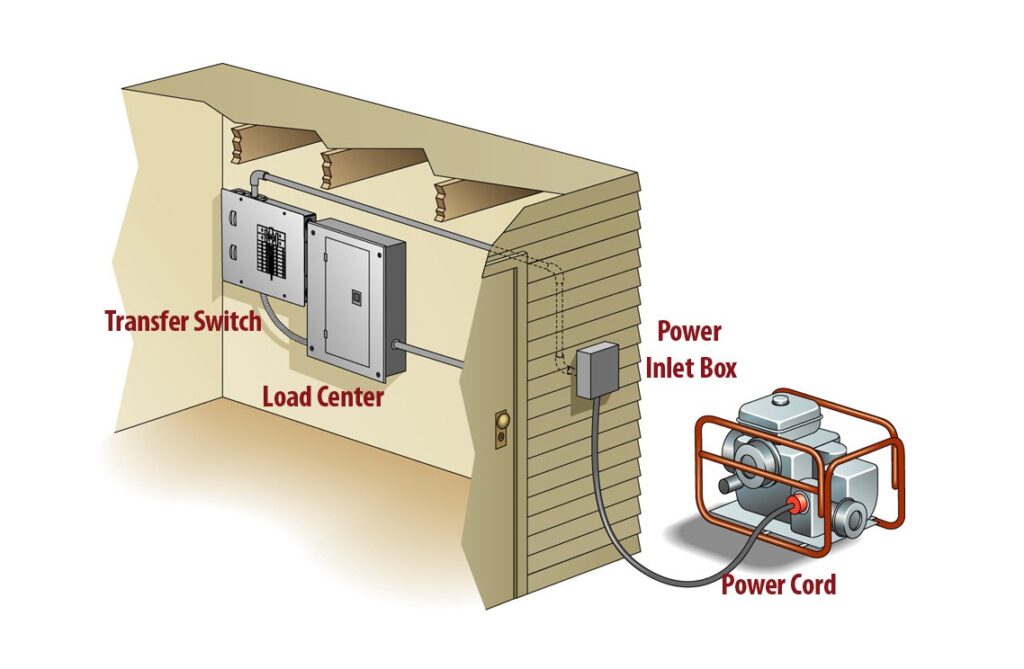
This involves something called a transfer switch or an interlock kit. Don't let the fancy names scare you. They're like the VIP entrance to your home's power grid, ensuring everything stays polite and proper.

These clever devices are installed right into your home's electrical panel. They act like a bouncer at a very exclusive club, making sure only one power source is allowed in at a time.
Finding Your Generator's Happy Place
Before any hooking up happens, your generator needs a prime spot. It's not a houseguest that can crash on the couch. This powerful friend needs its own space.
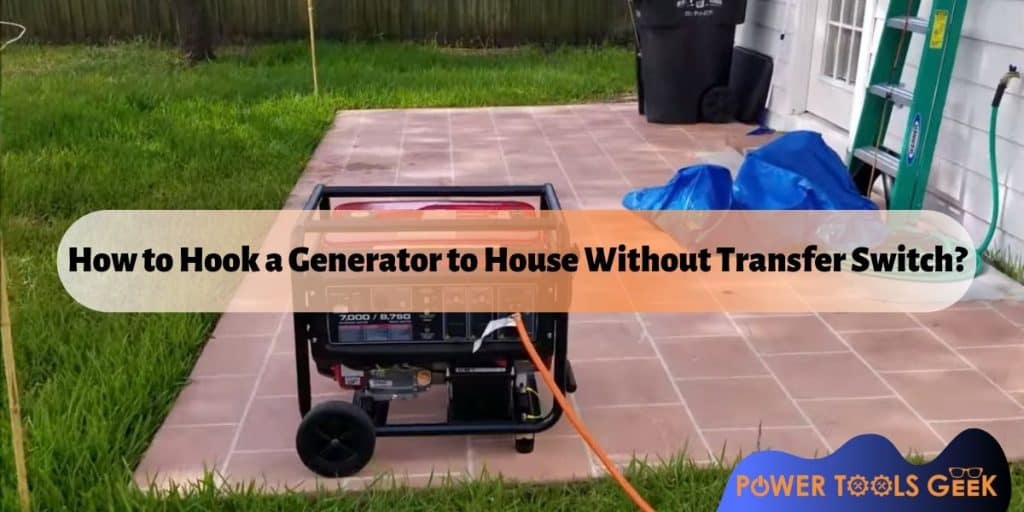
We're talking outdoors, always. Away from windows, doors, and vents. Think of those exhaust fumes; they're not exactly Chanel No. 5. You want a good distance, at least 20 feet, to let those fumes dissipate safely.
Also, make sure it's on a dry, level surface. A generator wobbling like it's had too much coffee is not ideal. And definitely keep it protected from rain or snow. A little shelter, like a specialized tent or cover, goes a long way.
Your generator needs its own private balcony, far from the main party.
Fueling the Beast: A Simple Sip
Generators, bless their mechanical hearts, need fuel. Usually gasoline or propane. Always fill it up before you start it. Nobody likes a grumpy, thirsty machine.
Be careful when fueling. Spills happen, especially in the dark. A flashlight is your best friend here. And never, ever refuel a hot generator. Let it cool down first, or you'll have more excitement than you bargained for.
It's like refilling your car's gas tank: slow and steady wins the race. And definitely no smoking nearby! Common sense, right? But in a power outage panic, common sense can sometimes take a vacation.
The Grand Connection: A Tale of Two Plugs
Now for the main event! With your transfer switch or interlock kit installed, you'll have a special inlet box on the outside of your house. It looks a bit like a sturdy, weather-resistant outdoor outlet.
You'll use a heavy-duty power cord, often called a generator cord or a power inlet cord. This isn't your average extension cord. It's built for serious power and serious business.
One end plugs into your generator's power output. The other end plugs into that special inlet box on your house. It's a simple, secure, and satisfying click. No spaghetti, no fuss, just a solid connection.
This cord is the superhighway for your emergency power. Treat it with respect.
Flipping the Switches: The Power Dance
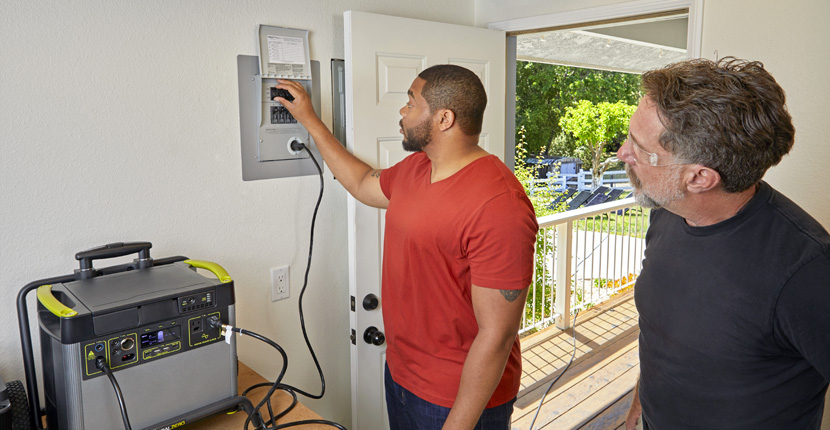
Once your generator is connected, it's time to bring the power indoors. This is where your transfer switch truly shines. It has a magical lever or a set of switches.
First, you'll start your generator. Follow its specific instructions, usually a pull cord or an electric start button. It'll roar to life, a beautiful sound in the quiet darkness.
Then, at your main electrical panel, you'll flip the main breaker to the OFF position. This is super important! It completely disconnects your house from the grid. Think of it as telling the city power, "Thanks, we've got it from here for a bit."
Next, you'll engage the transfer switch itself. This moves your house from being powered by the grid to being powered by your trusty generator. It's like switching from municipal water to a well pump.
Finally, you can selectively turn on the circuit breakers you want to power. No need to light up the whole house like a Christmas tree, unless you really want to. Just the essentials: fridge, a few lights, maybe the Wi-Fi. Prioritize wisely!
The Unpopular Opinion, Revisited
So, there you have it. The "how" of hooking a generator to a house. It sounds rather straightforward when you break it down, doesn't it? A few steps, a special box, and a sturdy cord.

But here's the "unpopular" part, and it's perhaps the most important: While the steps seem simple, the initial installation of that transfer switch or interlock kit is absolutely, unequivocally, a job for a professional. Period.
Messing with your home's electrical panel is not a DIY weekend project, unless your weekend projects regularly involve arc welding and a helmet. Your house's electrical system is a complex beast, full of wires and circuits that demand respect.
Attempting to bypass safety mechanisms or improperly installing these crucial components can lead to serious hazards. We're talking electrical fires, electrocution, or even injuring utility workers if power somehow backfeeds onto the grid.
Don't try to be a hero with electricity; leave that to the licensed professionals. They have the capes, and more importantly, the training.
Enjoying the Glow (Safely)
Once everything is correctly set up, and your generator is humming along, you get to enjoy the sweet, sweet return of power. The fridge is cold, the lights are on, and your phone is charging. Bliss!
Remember to keep an eye on your generator. Check its fuel levels periodically. And always be mindful of those exhaust fumes. Safety first, even when you're celebrating the return of your favorite streaming service.
Hooking a generator to your house isn't about brute force or a tangle of cords. It's about smart connections, proper safety, and knowing when to call in the experts. Your house, and everyone in it, will thank you.