How Do You Get Paid For Your Music
Ever hummed a tune and wondered, "Hey, could someone actually make a living doing this?" Or maybe you're a musician yourself, pouring your heart and soul into your craft, but the financial side feels like a confusing maze. Figuring out how musicians get paid is a surprisingly interesting and complex topic, and understanding it can benefit anyone who loves music – whether you're a listener, an aspiring artist, or just curious about the music industry.
At its core, understanding how musicians earn money is about understanding the value of music. It's about recognizing that music isn't just free entertainment; it's a product, a service, and an art form that requires time, effort, and talent to create. Learning about music monetization methods empowers artists to protect their work, negotiate fair deals, and ultimately, sustain their careers. For listeners, it fosters a deeper appreciation for the creative process and the financial realities faced by the artists they enjoy.
So, how does it actually work? There are several main avenues for musicians to generate income. Let's break them down:
Must Read
1. Royalties: Think of royalties as payments for using someone's intellectual property – in this case, their music. There are different types:
- Performance Royalties: These are paid when your song is played publicly – on the radio, in a restaurant, at a concert, or even streamed online. Organizations like ASCAP, BMI, and SESAC collect these royalties and distribute them to songwriters and publishers.
- Mechanical Royalties: These are paid when your song is reproduced, whether physically (like a CD) or digitally (like a download or interactive stream).
- Synchronization Royalties: These are paid when your song is used in a visual medium, like a movie, TV show, or video game.
2. Sales: This is the most straightforward – selling your music directly to fans. This includes physical copies (CDs, vinyl), digital downloads, and merchandise like t-shirts and posters.
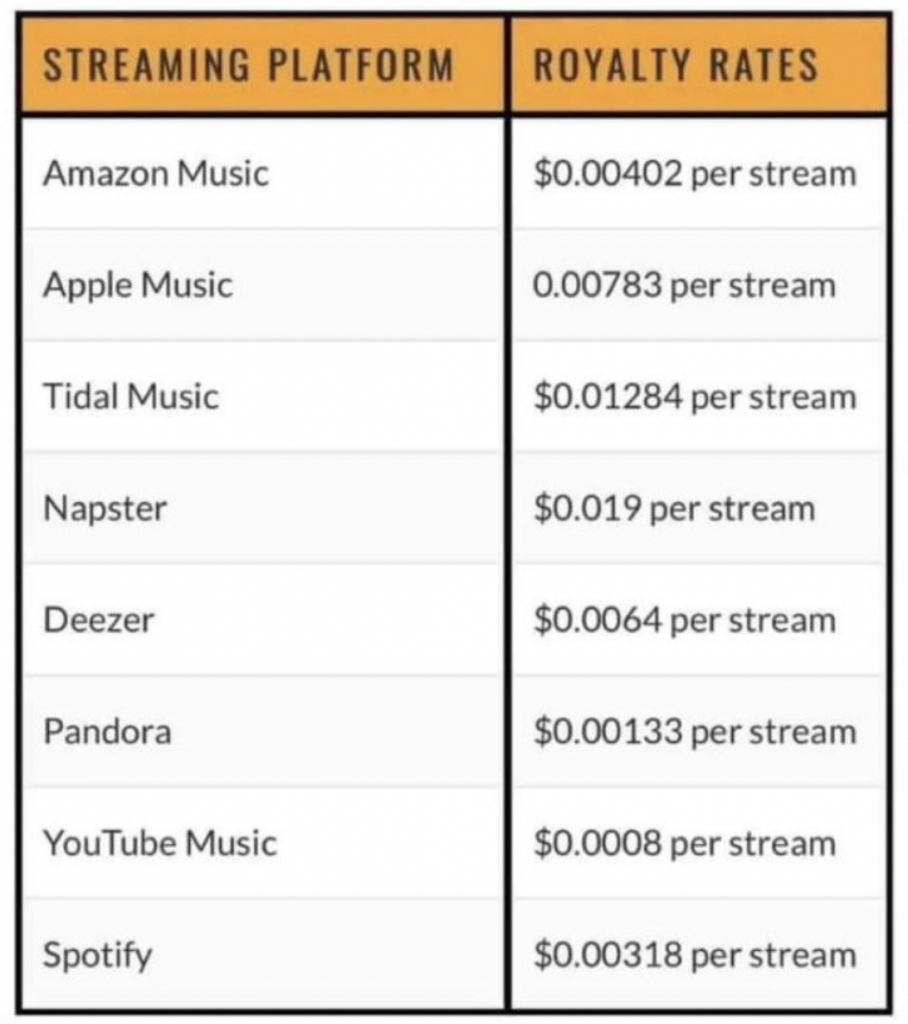
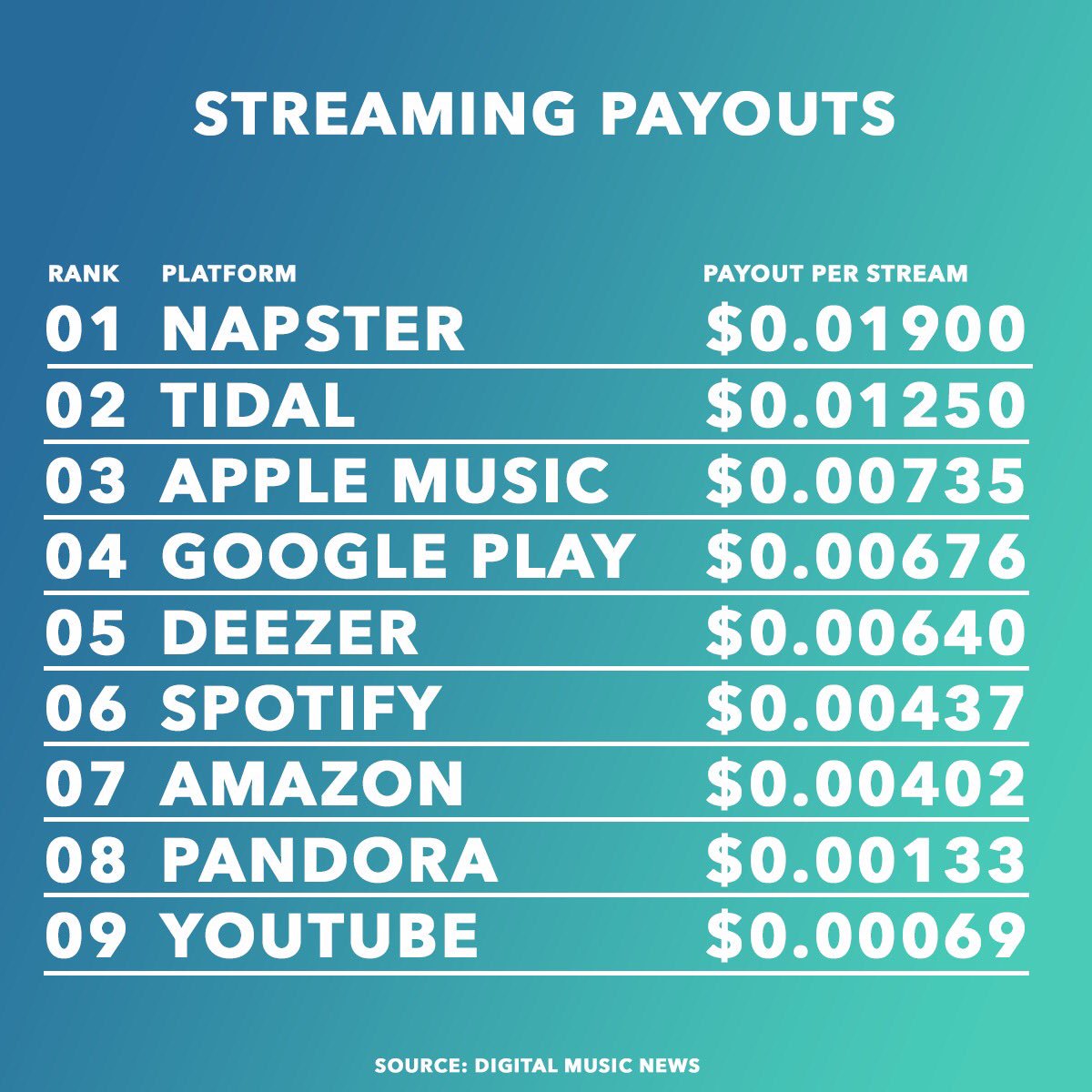
3. Streaming Revenue: Streaming services like Spotify and Apple Music pay royalties to artists based on the number of streams their songs receive. The exact amount per stream varies and is often quite small, but high stream counts can add up.
4. Live Performances: Gigs, concerts, and festivals are a major source of income for many musicians. This includes everything from playing local bars to headlining international tours.

5. Licensing: Granting permission for your music to be used in advertising campaigns, film trailers, or other commercial projects can generate significant revenue.
6. Grants and Sponsorships: Government grants and corporate sponsorships can provide financial support for recording projects, tours, or other artistic endeavors.

Understanding these different income streams is valuable in various contexts. In education, music business courses teach aspiring musicians how to navigate the industry and manage their finances. In daily life, knowing how royalties work can help you understand why certain songs are used in commercials or how streaming services compensate artists.
Want to explore this further? Here are a few simple steps:
- Research your favorite artists online. See if they have a website or social media presence where they discuss their career and income.
- Listen to podcasts or watch YouTube videos about the music industry. Many artists and industry professionals share their insights and experiences.
- Look into the websites of performing rights organizations like ASCAP, BMI, and SESAC to learn more about how they collect and distribute royalties.
The world of music monetization is constantly evolving, but understanding the basics is a crucial step for anyone involved in – or simply passionate about – music. It's about ensuring that the artists who create the music we love are fairly compensated for their hard work and creativity. So, next time you hear a song you enjoy, take a moment to think about all the ways the artist might be getting paid – or should be getting paid!