
How Do You Fix A Gurgling Septic Tank
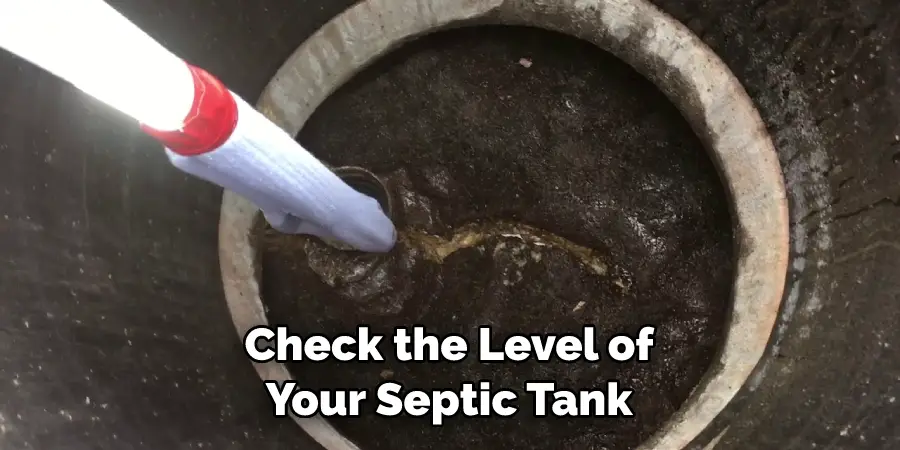
Alright, pull up a chair, grab a coffee, because we need to talk about something... gurgly. No, not your stomach after too much chili – I'm talking about that ominous, sloshing, "is-my-house-breathing?" sound coming from your drains. Yes, folks, we're diving headfirst (metaphorically, please!) into the fascinating, if slightly disgusting, world of the gurgling septic tank.
It starts subtly, doesn't it? A little burp from the toilet after a flush. You might dismiss it as a ghost having a bad day. But then it gets louder, more persistent. It's less a burp and more a full-blown stomach rumble that sounds like a dragon trying to sing opera. Panic sets in. Is the house collapsing? Is there a monster in the pipes? Is it... the end?
The Mystery of the Gurgle: What in the World Is Going On?
Before you call an exorcist or pack your bags, let's understand what that gurgle actually means. It's essentially your septic system crying for help. Specifically, it's the sound of air being trapped or struggling to move where it shouldn't. Think of it like a soda bottle trying to "chug" – all those bubbles and glugs are air and liquid fighting for space. And in your septic system, that's rarely a good sign.
Must Read
There are a few prime suspects behind this watery cacophony. Let's unmask them, shall we?
Suspect #1: The Pesky Clog
This is the most common villain. Somewhere along the line, usually in the drainpipe itself, something has created a blockage. It could be a hairball the size of a small cat, an accumulation of grease (the silent killer of pipes!), or even – gasp! – something a child flushed that absolutely, positively should not have been flushed. (Remember that time Timmy "fed" his action figure to the toilet? Yeah, that.)
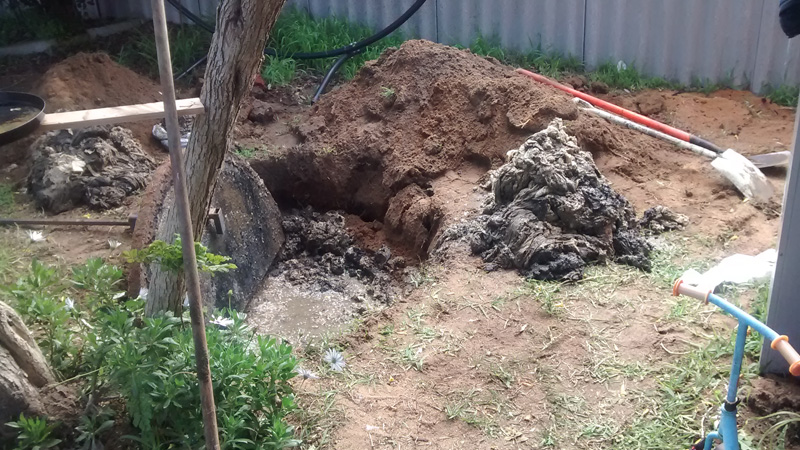
When you flush, water tries to rush down, but the clog acts like a dam. The gurgle is the sound of air being pulled back up through the water in the trap, desperately trying to equalize pressure. It’s like your drain is hyperventilating.
Suspect #2: The Blocked Vent Stack – An Unsung Hero
Every plumbing system has a vent stack, a pipe that goes up through your roof. Its job? To allow fresh air into the system, ensuring proper drainage and preventing those nasty gurgles. Think of it as the system's lung. If it's blocked, your drains can't "breathe."
What blocks a vent stack? Oh, the usual suspects: leaves, bird nests (yes, birds love real estate!), intrepid squirrels stashing acorns, or even ice in colder climates. Sometimes, it's just plain old debris accumulated over years. A blocked vent means a vacuum forms, and when you flush, the water tries to pull air from anywhere it can – including your toilet bowl, hence the gurgle.

Suspect #3: The Overwhelmed Septic Tank
Your septic tank isn't a magical bottomless pit, much as we might wish it were. It has a finite capacity. Over time, solids accumulate at the bottom, forming a sludge layer. If the tank isn't pumped regularly (every 3-5 years for most households, depending on usage), that sludge layer can get too high, reducing the effective volume of the tank and potentially blocking the outlet pipe to the drainfield.
When the tank is too full, everything slows down. Water can't flow out to the drainfield efficiently, backing up into your pipes, and guess what? More gurgles! This is your tank literally saying, "I'm full, stop feeding me!"
Suspect #4: The Failing Drainfield – The Big One
Okay, deep breath. This is the one that makes homeowners sweat. The drainfield (also called a leach field) is where the "treated" wastewater from your tank slowly seeps into the ground. If your drainfield is failing – perhaps it's saturated with too much water, the pipes are clogged with biomat (a dense bacterial layer), or it's simply old and tired – then water can't dissipate properly.
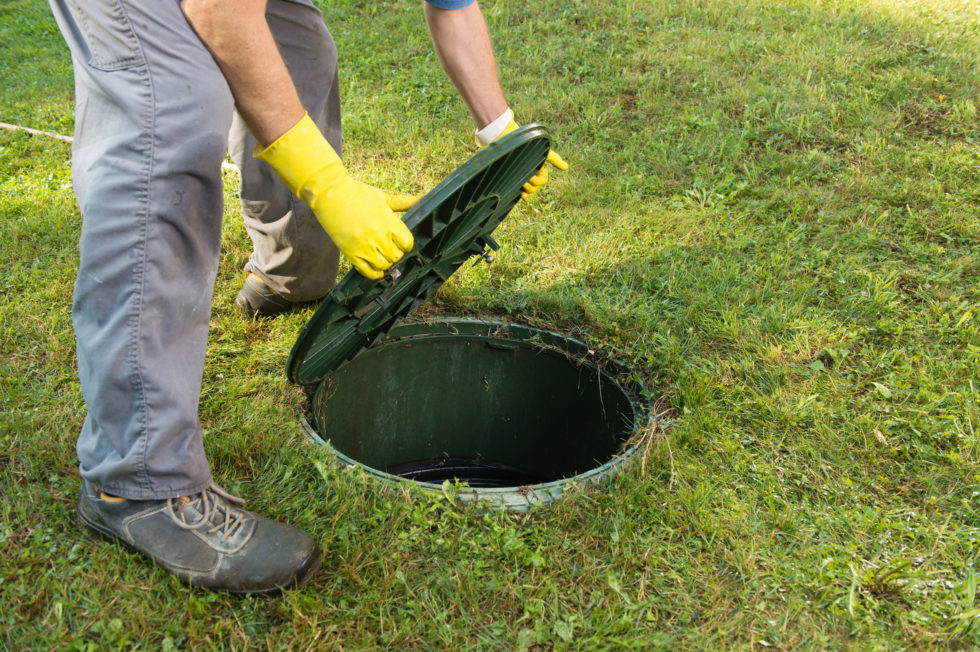
A failing drainfield means the entire system backs up, water sits in the tank and pipes, and your drains will gurgle, burp, and eventually refuse to drain altogether. This is the septic equivalent of a heart attack, and it often requires significant (read: expensive) intervention.
DIY Detective Work (Before You Panic-Dial a Plumber)
So, what's a gurgle-plagued homeowner to do? First, don't panic. Second, become a plumbing detective!
- Identify the Source: Does every drain gurgle, or just one? If it's just one, it's likely a localized clog. If it's all of them, or multiple fixtures (especially those on the lowest level), then the problem is more systemic – likely the vent, the tank, or the drainfield.
- Check the Vent: If you're comfortable and have a safe way to get on your roof, visually inspect the top of your vent stack. See any obvious blockages? A long, stiff wire (like a plumber's snake) can sometimes dislodge minor debris. (Safety first, people! If heights aren't your jam, leave this to a pro.)
- The Plunger Power: For localized gurgles, a good old-fashioned plunger can work wonders. Give it some serious elbow grease!
- Listen to the Sounds of the Septic: Do you hear squishy sounds in your yard near the drainfield? See unusually lush, green patches of grass (especially in dry weather) or standing water? That could indicate a drainfield issue.
When to Wave the White Flag (and Call a Pro)
Look, we all love a good DIY project, but some things are best left to the experts. If:
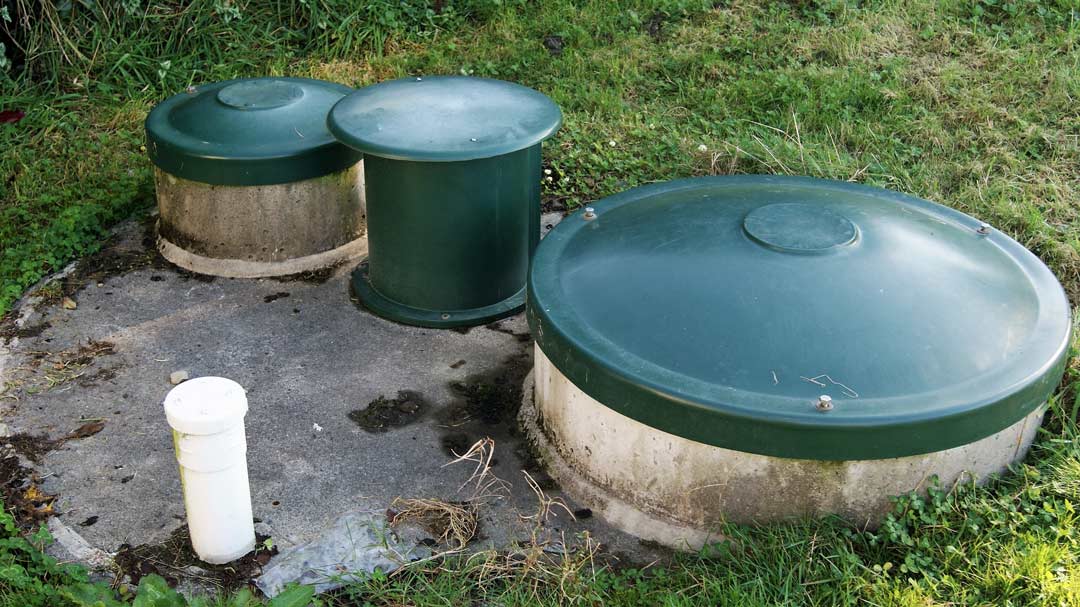
- The gurgling persists despite your best efforts.
- Multiple drains are affected.
- You suspect a blocked vent stack but can't safely access your roof.
- There are signs of sewage backup or standing water in your yard.
- It's been 3-5 years (or more!) since your last septic pump.
...then it's time to call a professional septic service. They have the tools, the knowledge, and frankly, the tolerance for dealing with things that come out of your pipes. They'll likely check your tank levels, inspect the drainfield, and use specialized cameras to diagnose pipe blockages.
Prevention is the Best Medicine (and Quieter)
The best way to avoid the dreaded gurgle is to be kind to your septic system. Remember:
- Don't treat your toilet like a trash can: Only flush human waste and toilet paper. No "flushable" wipes (they're not!), feminine products, dental floss, or grease. Ever.
- Moderate water usage: Spread out your laundry loads, take shorter showers. Don't overwhelm the system.
- Regular pumping: Stick to that 3-5 year pumping schedule. It’s an investment in your home’s health.
- Watch what goes down the drain: Use drain screens to catch hair, avoid pouring grease down the sink.
So, the next time you hear that unsettling gurgle, don't despair! You're now equipped with the knowledge to diagnose the problem, take some initial steps, and know when to call in the cavalry. Your septic system (and your peace of mind) will thank you.