How Do You Fireproof Wood
Have you ever stopped to think about wood? It's one of humanity's oldest and most beloved building materials – warm, beautiful, sustainable, and incredibly versatile. From cozy cabins to grand cathedrals, wood has shaped our world. But for all its charm, wood has one big Achilles' heel: fire. It burns. Easily. And quickly. So, what if we could give wood a superpower, making it stand up to flames? That's where the fascinating world of fireproofing wood comes in, and it's much cooler than it sounds!
The whole purpose of fireproofing wood isn't necessarily to make it completely indestructible to fire – that's a tall order for any organic material. Instead, it's about giving us precious time. When wood is treated, its ability to ignite, spread flames, and contribute to smoke production is drastically reduced. Think of it as a defensive shield. The benefits are immense: it significantly enhances safety in homes and public buildings, providing longer evacuation times, potentially saving lives, and preserving structures. It also allows architects and builders to use wood in applications where strict fire codes might otherwise demand less appealing materials, marrying aesthetic beauty with stringent safety requirements.
You might encounter fireproofed wood in more places than you'd think. In education, it's a fantastic example of applied chemistry and material science. Imagine demonstrating how a treated piece of wood resists fire compared to an untreated one – a powerful lesson in engineering safety! In daily life, fire-retardant treated lumber is increasingly used in timber-framed buildings, public schools, theaters, and even historical restorations where preserving original wooden elements is crucial. Those beautiful exposed wooden beams in a modern restaurant or the sturdy decking on a multi-story building might very well have undergone a fireproofing treatment. It's all about making our wooden environments safer and more resilient.
Must Read
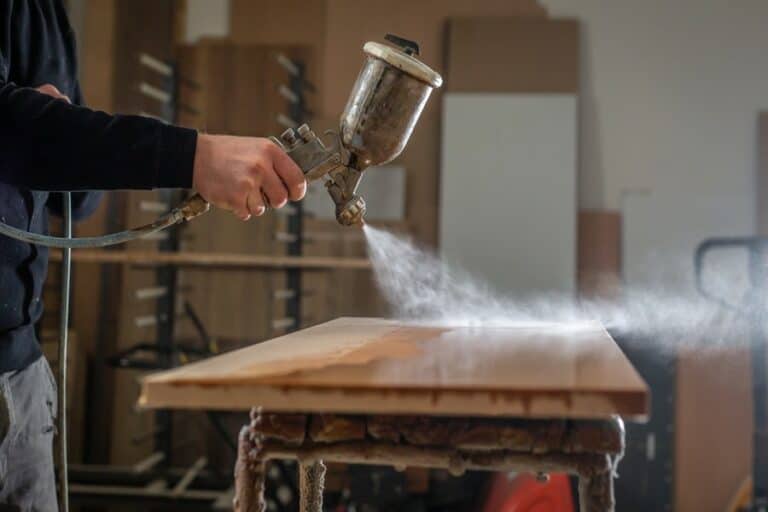
So, how does this magic happen? There are a couple of main strategies. One popular method involves using intumescent coatings. These are paints or sprays that, when exposed to heat, swell up dramatically to form a thick, non-combustible char layer. This spongy layer acts as an insulator, protecting the wood underneath from the intense heat and slowing down its decomposition. Another approach uses fire retardant chemicals, often applied via pressure treatment, which infuse the wood. These chemicals work in various ways: some release water vapor when heated, cooling the surface; others create a glassy, non-combustible barrier; and some disrupt the chemical reactions that lead to combustion.
Want to explore this yourself? While leaving serious fireproofing to the pros, you can get a glimpse into its principles. You can find fire retardant sprays at hardware stores, often used for fabrics or temporary decorations. With proper adult supervision and extreme caution, perhaps compare how a small, untreated craft stick burns versus one treated with such a spray. Always do this outdoors, away from combustibles, with a bucket of water or a fire extinguisher nearby! Or simply, when you next see exposed wood in a public space, allow your curiosity to wonder: "Has this wood been given its fire-resistant superpower?" It's a subtle but significant way we make our world a safer, more enduring place, all while celebrating the enduring charm of wood.
```html
Have you ever stopped to think about wood? It's one of humanity's oldest and most beloved building materials – warm, beautiful, sustainable, and incredibly versatile. From cozy cabins to grand cathedrals, wood has shaped our world. But for all its charm, wood has one big Achilles' heel: fire. It burns. Easily. And quickly. So, what if we could give wood a superpower, making it stand up to flames? That's where the fascinating world of fireproofing wood comes in, and it's much cooler than it sounds!
The whole purpose of fireproofing wood isn't necessarily to make it completely indestructible to fire – that's a tall order for any organic material. Instead, it's about giving us precious time. When wood is treated, its ability to ignite, spread flames, and contribute to smoke production is drastically reduced. Think of it as a defensive shield. The benefits are immense: it significantly enhances safety in homes and public buildings, providing longer evacuation times, potentially saving lives, and preserving structures. It also allows architects and builders to use wood in applications where strict fire codes might otherwise demand less appealing materials, marrying aesthetic beauty with stringent safety requirements.
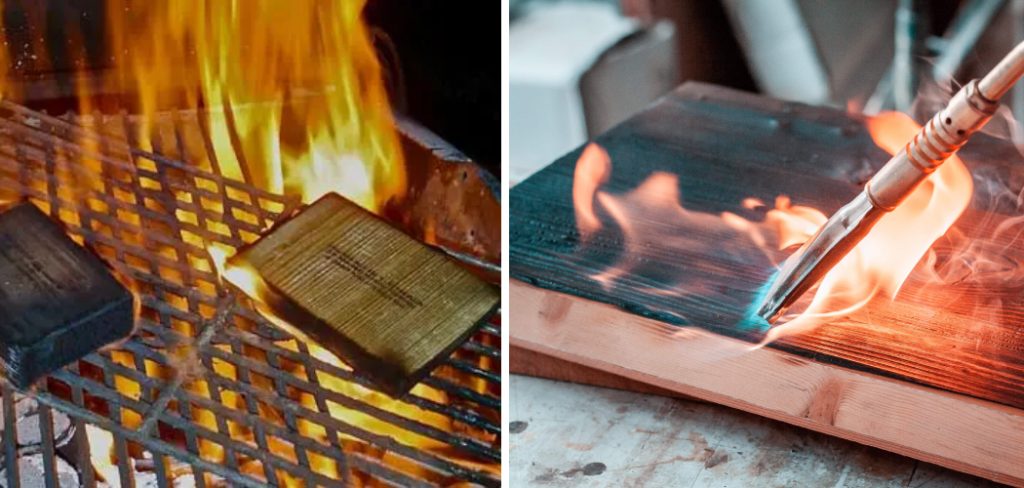
You might encounter fireproofed wood in more places than you'd think. In education, it's a fantastic example of applied chemistry and material science. Imagine demonstrating how a treated piece of wood resists fire compared to an untreated one – a powerful lesson in engineering safety! In daily life, fire-retardant treated lumber is increasingly used in timber-framed buildings, public schools, theaters, and even historical restorations where preserving original wooden elements is crucial. Those beautiful exposed wooden beams in a modern restaurant or the sturdy decking on a multi-story building might very well have undergone a fireproofing treatment. It's all about making our wooden environments safer and more resilient.
So, how does this magic happen? There are a couple of main strategies. One popular method involves using intumescent coatings. These are paints or sprays that, when exposed to heat, swell up dramatically to form a thick, non-combustible char layer. This spongy layer acts as an insulator, protecting the wood underneath from the intense heat and slowing down its decomposition. Another approach uses fire retardant chemicals, often applied via pressure treatment, which infuse the wood. These chemicals work in various ways: some release water vapor when heated, cooling the surface; others create a glassy, non-combustible barrier; and some disrupt the chemical reactions that lead to combustion.
Want to explore this yourself? While leaving serious fireproofing to the pros, you can get a glimpse into its principles. You can find fire retardant sprays at hardware stores, often used for fabrics or temporary decorations. With proper adult supervision and extreme caution, perhaps compare how a small, untreated craft stick burns versus one treated with such a spray. Always do this outdoors, away from combustibles, with a bucket of water or a fire extinguisher nearby! Or simply, when you next see exposed wood in a public space, allow your curiosity to wonder: "Has this wood been given its fire-resistant superpower?" It's a subtle but significant way we make our world a safer, more enduring place, all while celebrating the enduring charm of wood.