How Do You Detect Carbon Monoxide Poisoning
Alright, let's talk about carbon monoxide, or CO as the cool kids call it. It’s like that one guest at a party nobody invited, who sneaks in, causes a whole lot of trouble, and is completely invisible. You know, the one who eats all the good snacks and then blames it on the dog. Except CO is way less charming and much, much more dangerous. It’s often dubbed the "silent killer" because it’s totally undetectable by our human senses – no smell, no color, no taste. It’s basically a ninja, but for your respiratory system.
The Sneaky Symptoms: "Wait, Am I Just Really Tired... Again?"
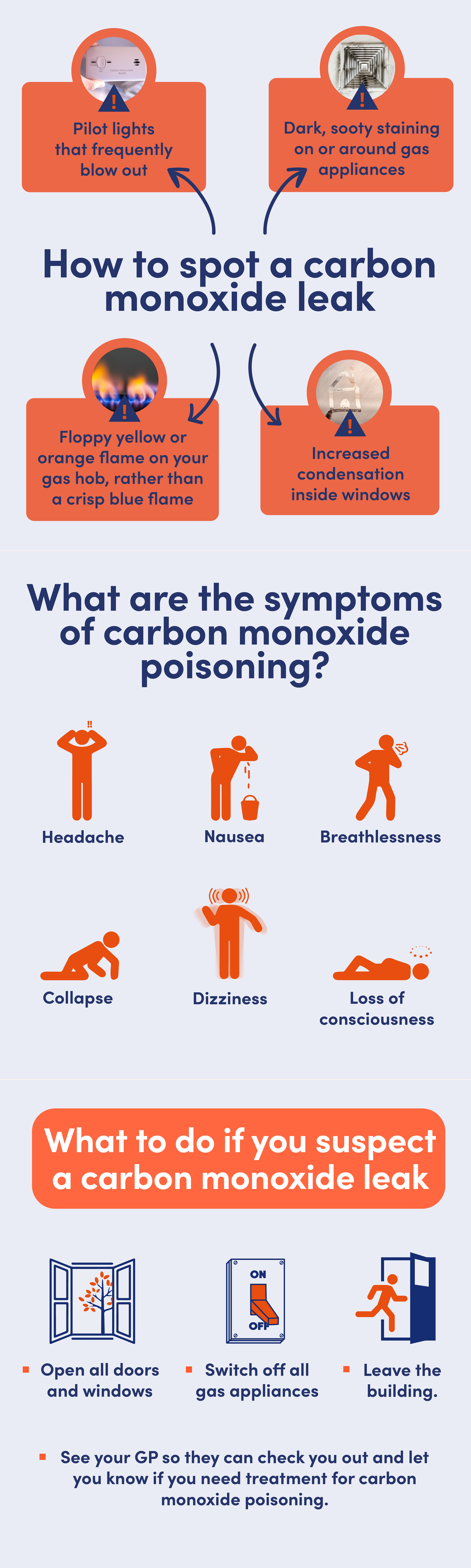
So, if you can't sniff it out like a bloodhound, how on earth do you spot this villain? Well, CO poisoning often starts subtly, mimicking everyday annoyances. You might feel a bit under the weather, like you’re coming down with a nasty flu, but without the fever or the runny nose. It's truly a master of disguise.
Picture this: you wake up with a headache that feels like a tiny jackhammer going off in your skull. You didn’t even have any fun drinks last night, so it can’t be a hangover. Or maybe you're feeling incredibly dizzy, like you just got off a particularly wild amusement park ride, but you’re just standing in your living room. "Whoa, floor, stop spinning!"
Must Read
Then there's the overwhelming fatigue. Not just "I need another coffee" fatigue, but "I could genuinely sleep for a week" kind of tired. You might find yourself struggling to focus, feeling confused, or a bit forgetful – like trying to remember where you left your keys, but amplify that by a thousand. We all have those moments, right? But if it’s an all-encompassing brain fog, that’s a red flag.
You might also experience nausea and vomiting, feeling generally unwell, like you’re seasick on dry land. And in more severe cases, people can develop chest pain, especially those with heart conditions, and eventually lose consciousness. One often-mentioned symptom, the "cherry-red skin," usually only appears in very severe cases or after death, so it's not something you should wait around to spot as an early warning sign.

The Plot Twist: The "A-ha!" Moment
Here's the kicker, and often the biggest clue: these symptoms tend to improve when you go outdoors and worsen when you come back inside. It’s like magic! You step out for some fresh air, and suddenly that pounding headache starts to ease up. You re-enter your cozy abode, and bam! The dizzy spell is back with a vengeance. If you and everyone else in the house – yes, even your pets – are feeling mysteriously unwell at the same time, and getting better when you leave the building, that's your giant, flashing, neon sign.
Think about it: if your whole family, including your super energetic dog, suddenly looks like they’ve just run a marathon without actually moving, and everyone perks up the moment they're outside, you've stumbled upon a crucial piece of the puzzle. It’s like a real-life Scooby-Doo mystery, but with way higher stakes.
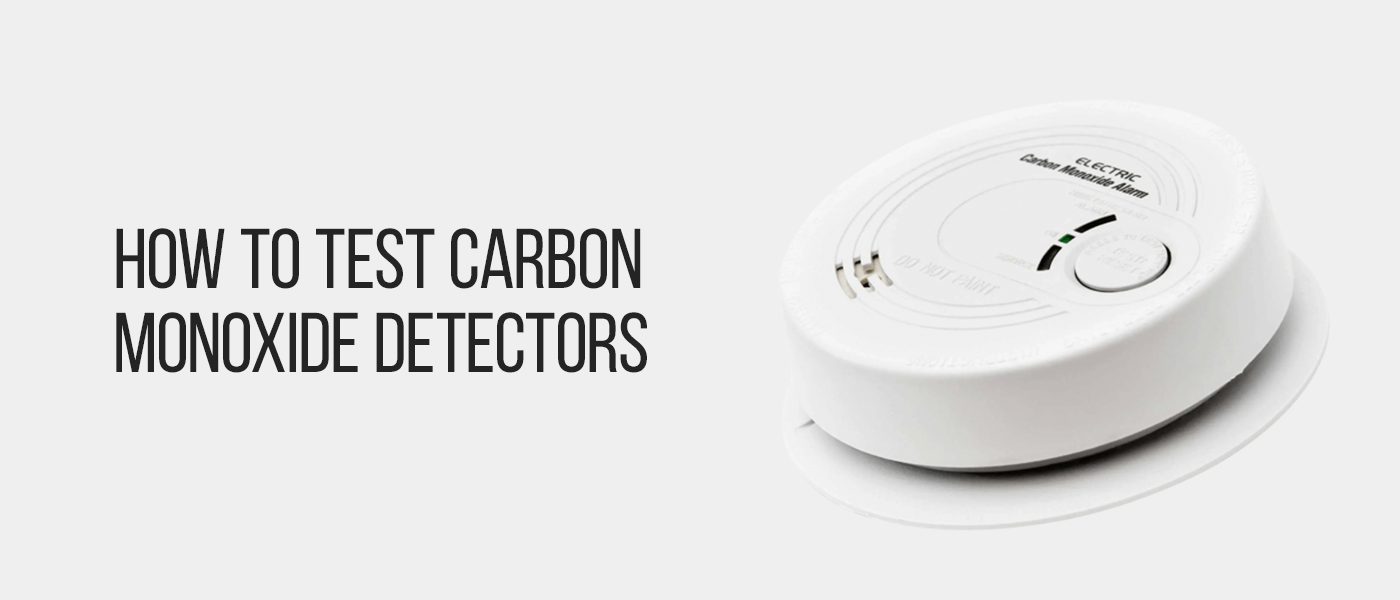
Your Superhero Sidekick: The CO Detector
Now, relying on symptoms alone is like trying to navigate a dark maze blindfolded. You might eventually find your way out, but it’s going to be a bumpy ride. This is where your ultimate home superhero comes in: the carbon monoxide detector. This little gadget is your real-time, non-negotiable CO early warning system.
Think of it as the smoke detector's slightly less noisy but equally important cousin. These devices constantly monitor the air for CO levels and will let out a loud, insistent beep if they detect danger. It’s the only truly reliable way to know if that invisible guest has crashed your party.
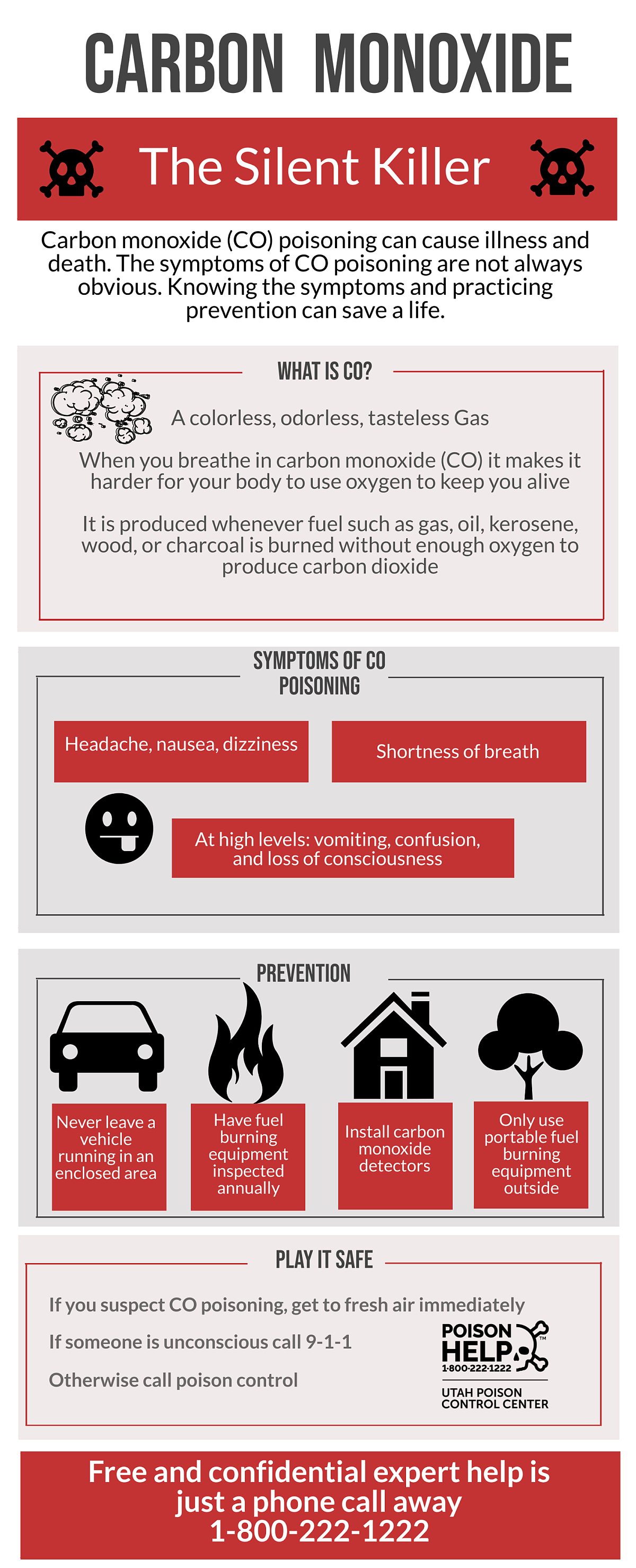
You should have these detectors strategically placed throughout your home, especially near sleeping areas. They’re fairly inexpensive, easy to install, and require minimal maintenance – just remember to test them regularly (like once a month!) and change the batteries according to the manufacturer's instructions. Just like you wouldn't drive without a seatbelt, you shouldn't live without a CO detector.
When the Alarm Rings: "Houston, We Have a Problem!"
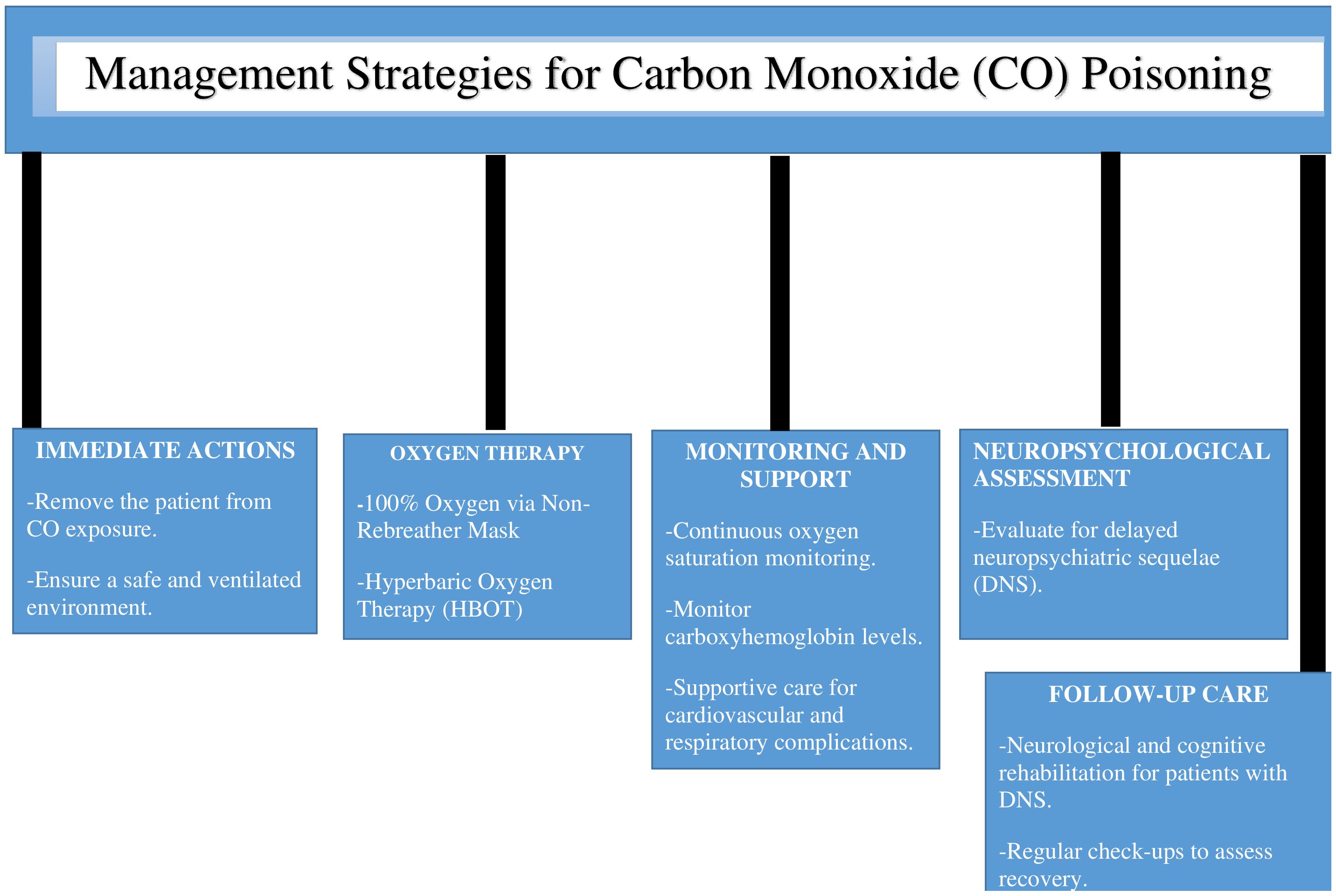
If your CO detector ever goes off, don't ignore it! It’s not crying wolf. Treat it as a genuine emergency. Your first, immediate action is to get everyone, including pets, out of the house into fresh air immediately. Don't stop to grab your phone or your favorite mug; just get out. Once you're safely outside, call 911 or your local emergency services. They’ll be able to investigate the source of the CO and ensure it's safe to re-enter.
So, while CO is a sneaky, dangerous pest, detecting it doesn't have to be a guessing game. Arm yourself with knowledge, listen to your body (and your family’s bodies!), and most importantly, equip your home with those invaluable CO detectors. Stay safe, stay smart, and keep those invisible party crashers out!